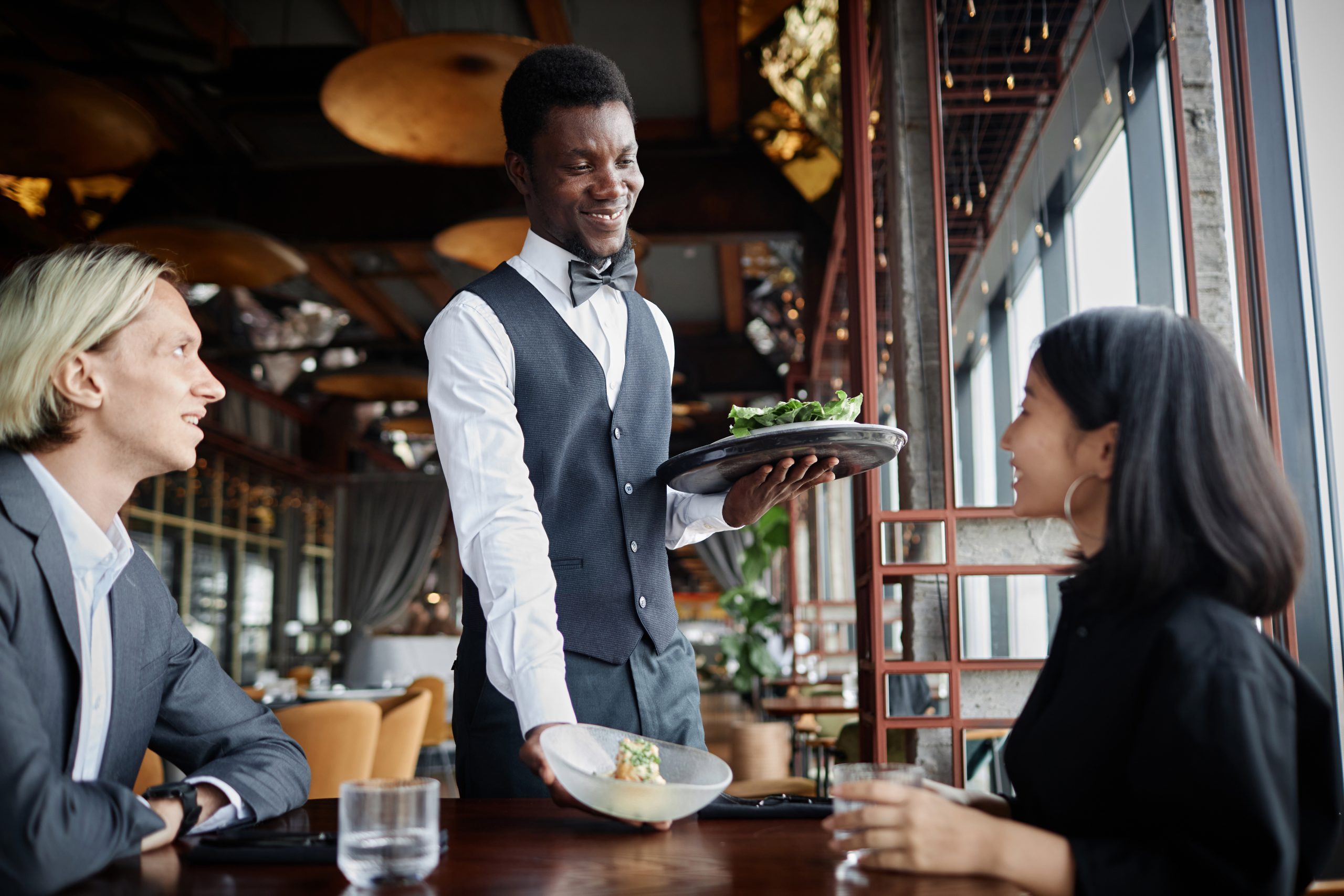
Tipping has become one of the most emotionally charged transactions in modern life. It is no longer a reward; for many, it is a hostage negotiation. So let’s strip it down: Should tipping be forced?
TIPS: Why We Pay Extra, Why They Expect It, and Why the Stare Hurts So Much
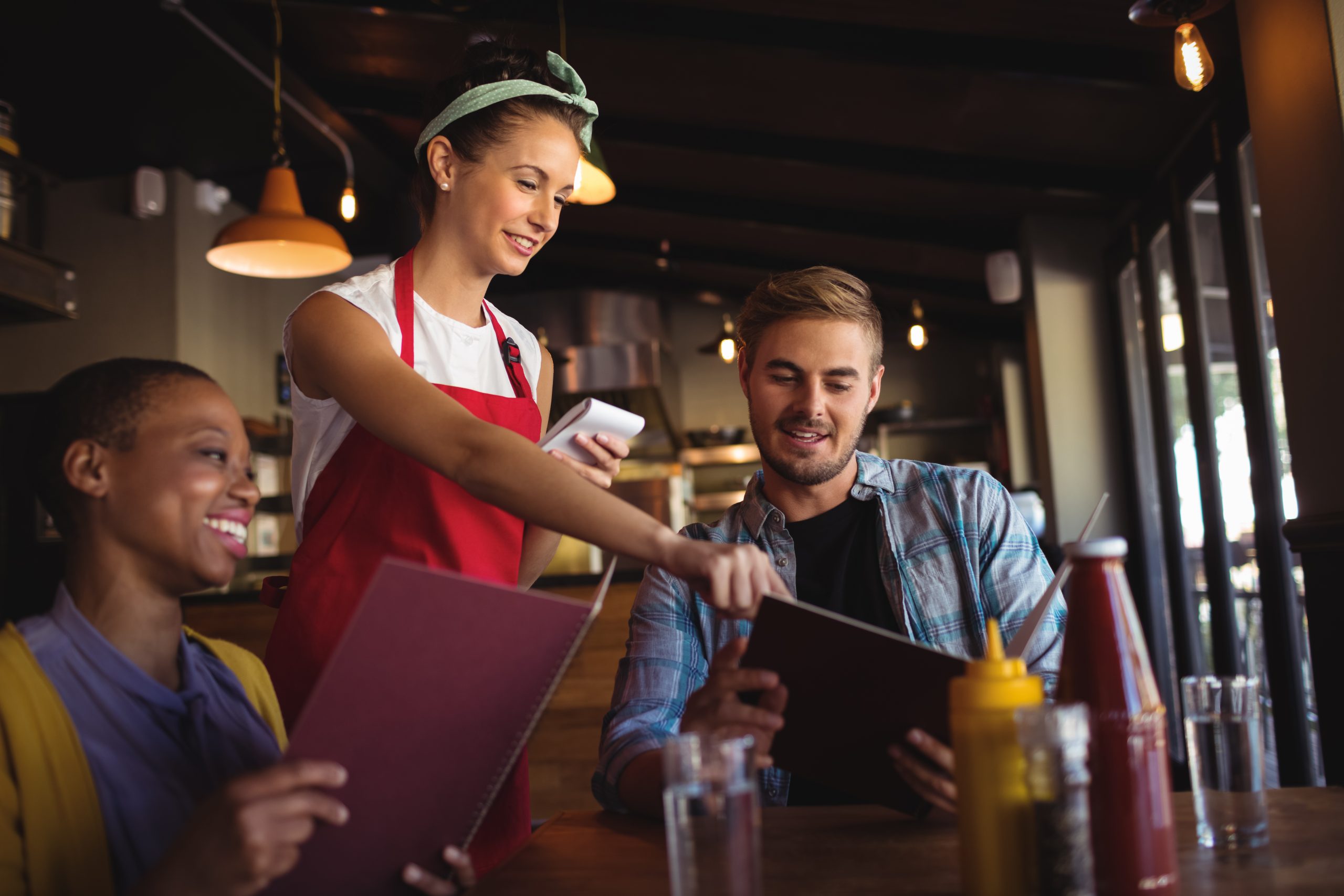
You finish a meal. The food was good, the service was decent. The bill arrives. You do the mental math—15%? 20%? 25%? and your finger hovers over the payment screen.
Then comes the anxiety.
You tip. Or you don’t. And if you don’t, you brace yourself for The Look.
Tipping has become one of the most emotionally charged transactions in modern life. It is no longer a reward; for many, it is a hostage negotiation. So let’s strip it down: Should tipping be forced? What are we actually paying for? And why does that waiter look at you like you just kicked their puppy when you leave zero?
Historically, a “tip” (often said to stand for To Insure Prompt Service) was exactly that, a bribe for speed. You gave a coin to a waiter in 19th-century America to ensure your drink arrived before the other guy’s.
But over time, it morphed into something else. In theory, a tip is a performance review. It is the customer’s way of saying:
- You were attentive
- You made me feel welcome
- You went above and beyond.
In a perfect world, tipping is a meritocracy. Good service = big tip. Bad service = small tip. It puts the power in the customer’s hands and incentivizes the server to actually care about your experience.
But that theory crashed into reality a long time ago.
Should Tipping Be Forced?
Absolutely not. By definition, a gratuity is voluntary. If it is forced, it is a “service charge” or a “fee” and it should be listed on the menu upfront.
Here is the friction: When a restaurant adds an automatic 15%, 18%, OR 22% gratuity for a large party, that is honest. You see it, you pay it, you move on.
But when a touchscreen at a coffee shop flips around with suggested tips starting at 20%, 25%, and 30% for handing you a muffin? That is psychological blackmail. It preys on your fear of being judged cheap.
Forcing tips destroys the entire premise. If everyone pays the same amount regardless of effort, why would a server rush to refill your water? The incentive evaporates. Tipping should remain a choice, but that choice only works if the system behind it is fair.
Why Do Hospitality Staff Demand Tips or Show a Face When You Don’t Tip?
Here is the uncomfortable truth the industry doesn’t want you to think about: In most states, the tipped minimum wage is tragically low.
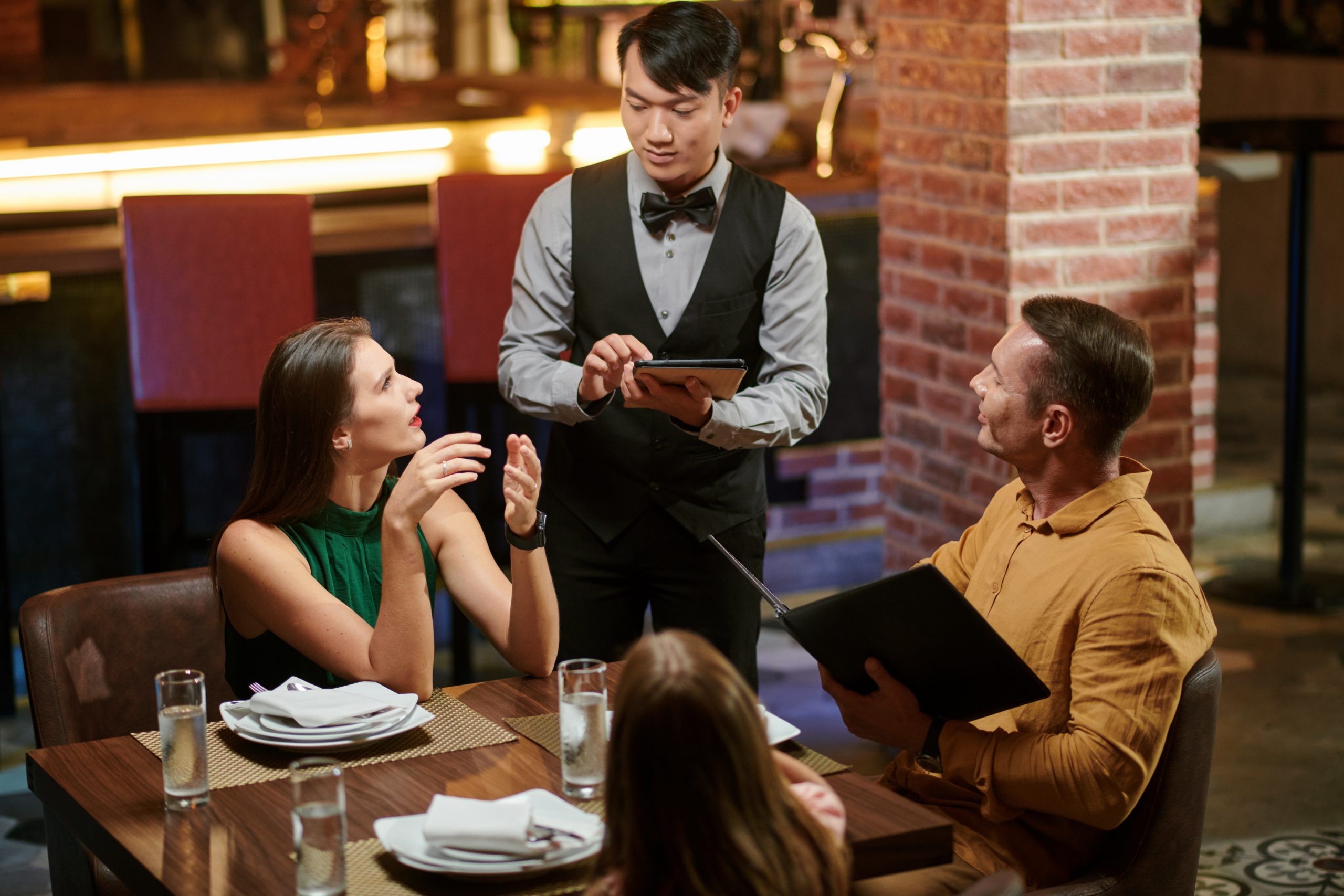
Giving TIPS to restaurant staff
That look, the dropped smile, the cold “have a nice day,” the audible sigh, isn’t just rudeness. It is survival instinct.
Imagine you work a 6-hour shift. You have 5 tables. If just one table stiffs you, that is 20% of your expected income for the night gone. In their head, they aren’t thinking about the meal you ate; they are thinking about the bus fare home, the groceries, or their kid’s school supplies.
But there is also a psychological factor: Effort vs. Reward.
If a server runs around, juggles dietary restrictions, deals with a screaming child, and refills your diet coke four times, they have invested emotional labor. When you leave zero, it feels like a personal rejection. It says, “Your effort was worthless.”
Is it professional to show that face? No. A true professional hides it. But servers are human, not robots. That face is the raw, unfiltered frustration of someone who just worked for free.
If we hate the pressure, and they hate the uncertainty, why keep this system?
Option A: Abolish tipping entirely. (The European model). Raise menu prices by 20% and pay staff a living wage. This removes the anxiety for the customer and gives the server stability. The downside? You lose the incentive for exceptional service.
Option B: Keep tipping, but reform the base wage. If servers made a real minimum wage plus tips, then the tip truly becomes a bonus for great service, not a lifeline. Suddenly, that 10% tip is fine. That zero tip might earn a confused look, but not a hostile one.
Option C: Transparency. Restaurants should print clearly: “Our staff is paid a fair wage. Gratuity is optional and appreciated.” Or: “We operate on a tipped wage; please factor that into your budget.”
The Conclusion: Should tipping be forced? No. A forced tip is a tax, not a reward.
But should you tip? In the current system, yes. You are not tipping out of charity; you are paying for a service that the restaurant owner refuses to pay for.
And that server who gives you the cold shoulder? They are wrong to show it, but they aren’t wrong to feel it. They are the victim of a broken system, just like you. The real villain isn’t the diner or the waiter, it’s the employer who makes you two fight over the bill while they count the profits.