Winter is inevitable, but suffering through it is optional.
Winter (Snow) Is Coming: Why You Need to Prepare Now
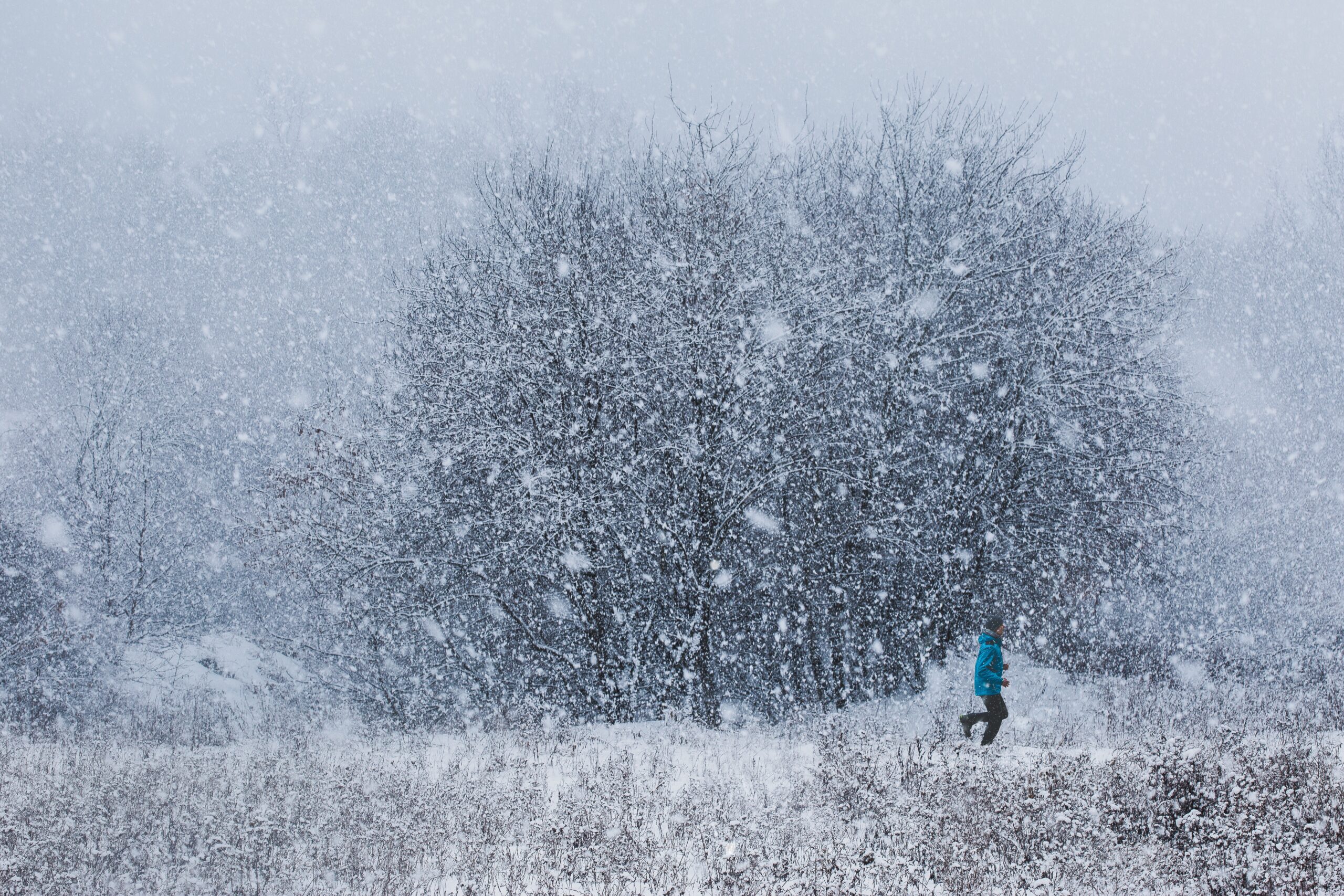
The leaves have fallen, the air has that sharp, biting edge to it, and the forecast is beginning to look ominous. Winter is not just a date on the calendar; it is a force of nature that demands respect. Whether you love the snow or dread the ice, one thing is certain: being caught unprepared is not an option.
As we brace for the coming season, it is time to move beyond simply “bundling up.” We need to equip ourselves, our vehicles, and our families for the reality of snow, ice, and freezing temperatures. Here is your comprehensive guide to staying safe and ready for the winter onslaught.
Dress for the Weather, Not the Fashion
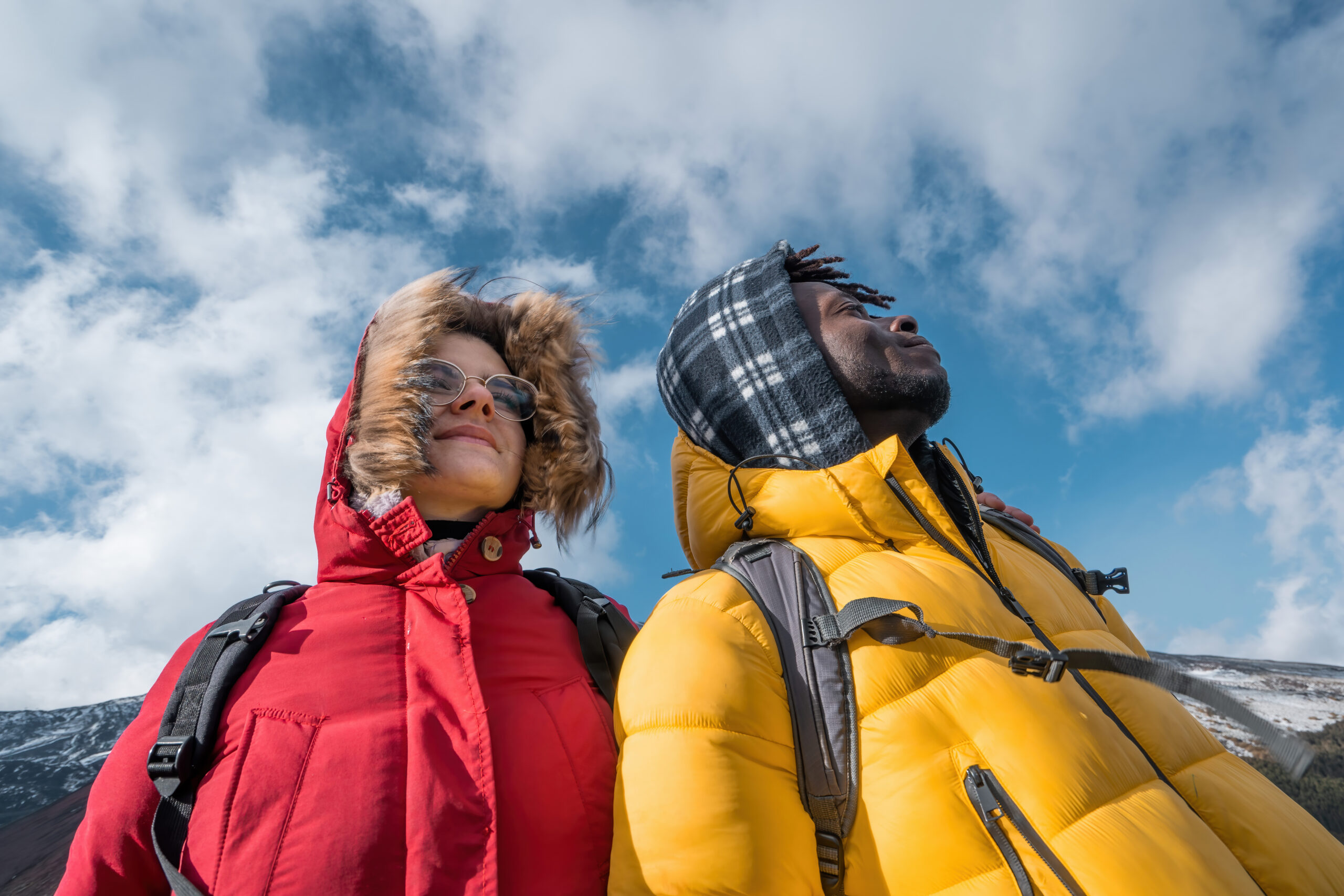
When the temperature drops and the snow begins to pile up, your everyday wardrobe won’t cut it. You need clothing strictly designed for snow and extreme cold. Cotton is your enemy in the winter, it absorbs sweat and moisture, losing its insulating properties and actually making you colder.
Your Winter Arsenal Should Include:
- Base Layers: Invest in moisture-wicking thermal underwear (merino wool or synthetics) to keep sweat away from your skin.
- Insulation: Fleece or down mid-layers to trap body heat.
- Outer Shell: A waterproof and windproof jacket and pants. If you are going to be shoveling or playing, a snow bib or snow pants are essential to keep snow out of your boots.
- Footwear: Forget the fashion boots. You need insulated, waterproof boots with deep treads to prevent slips on ice. Look for ratings that specify they can handle sub-zero temperatures.
- Accessories: A warm hat that covers your ears, insulated waterproof gloves (not just knit mittens), and a scarf or neck gaiter to protect your face from windburn.
Car: Don’t Gamble with Your Tires
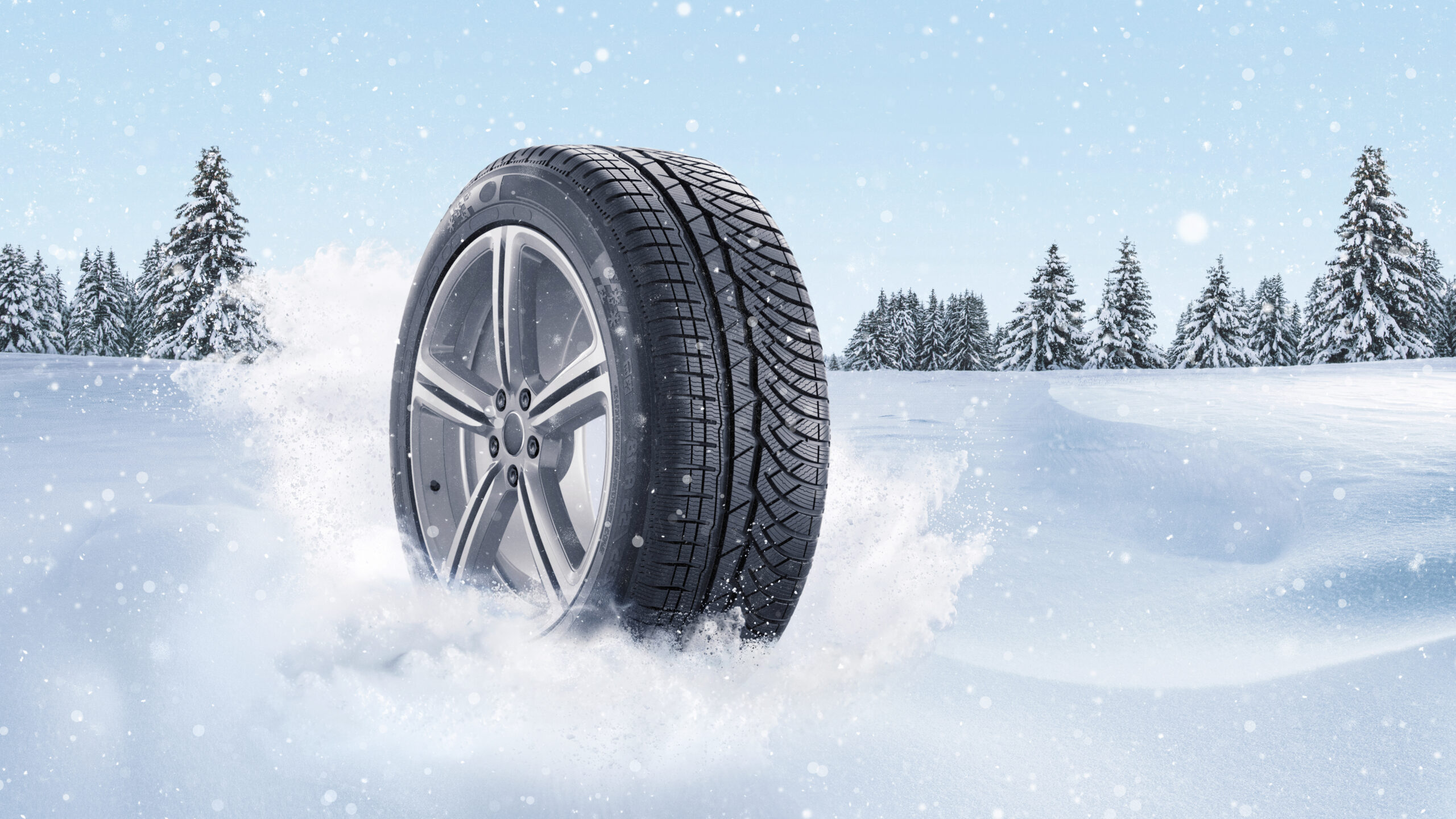
The single most important safety feature on your car during the winter is not the brakes or the airbags; it is the tires. The rubber compound in “all-season” tires hardens when the temperature drops below 45°F (7°C), reducing traction significantly.
Winter tires are manufactured with a softer rubber compound that stays flexible in freezing temperatures. They feature deeper treads and “sipes” (tiny slits in the tread blocks) that bite into snow and ice.
Get ready for winter
To the Kids: Safety is a Game Plan
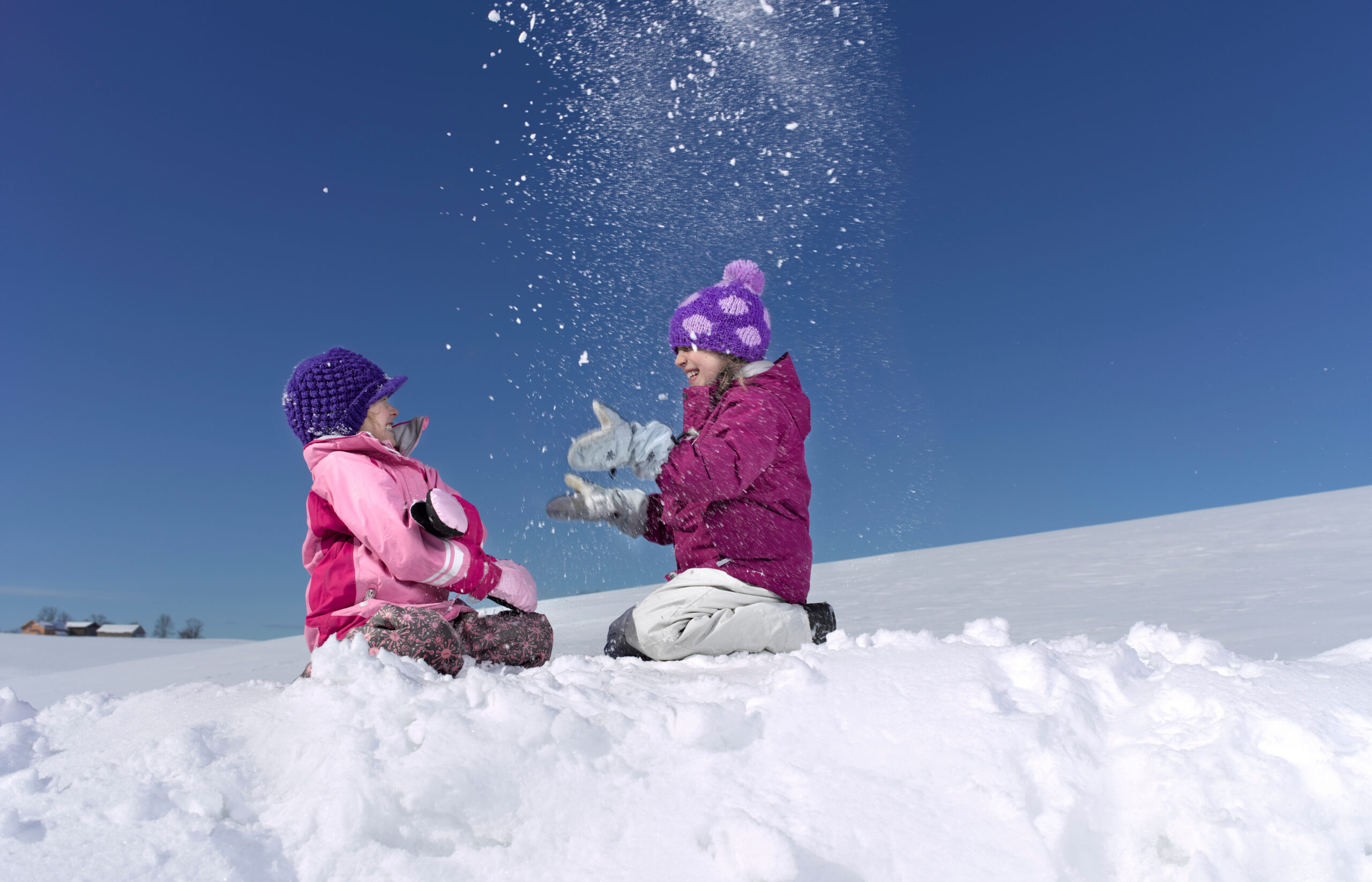
Children see snow as magic, but parents must see it as a potential hazard. Before the first flake falls, turn winter preparation into a family activity. Teach your kids that winter readiness is part of the fun.
- Never let children play outside alone in the snow. Establish a rule that they must always have a sibling or an adult watching.
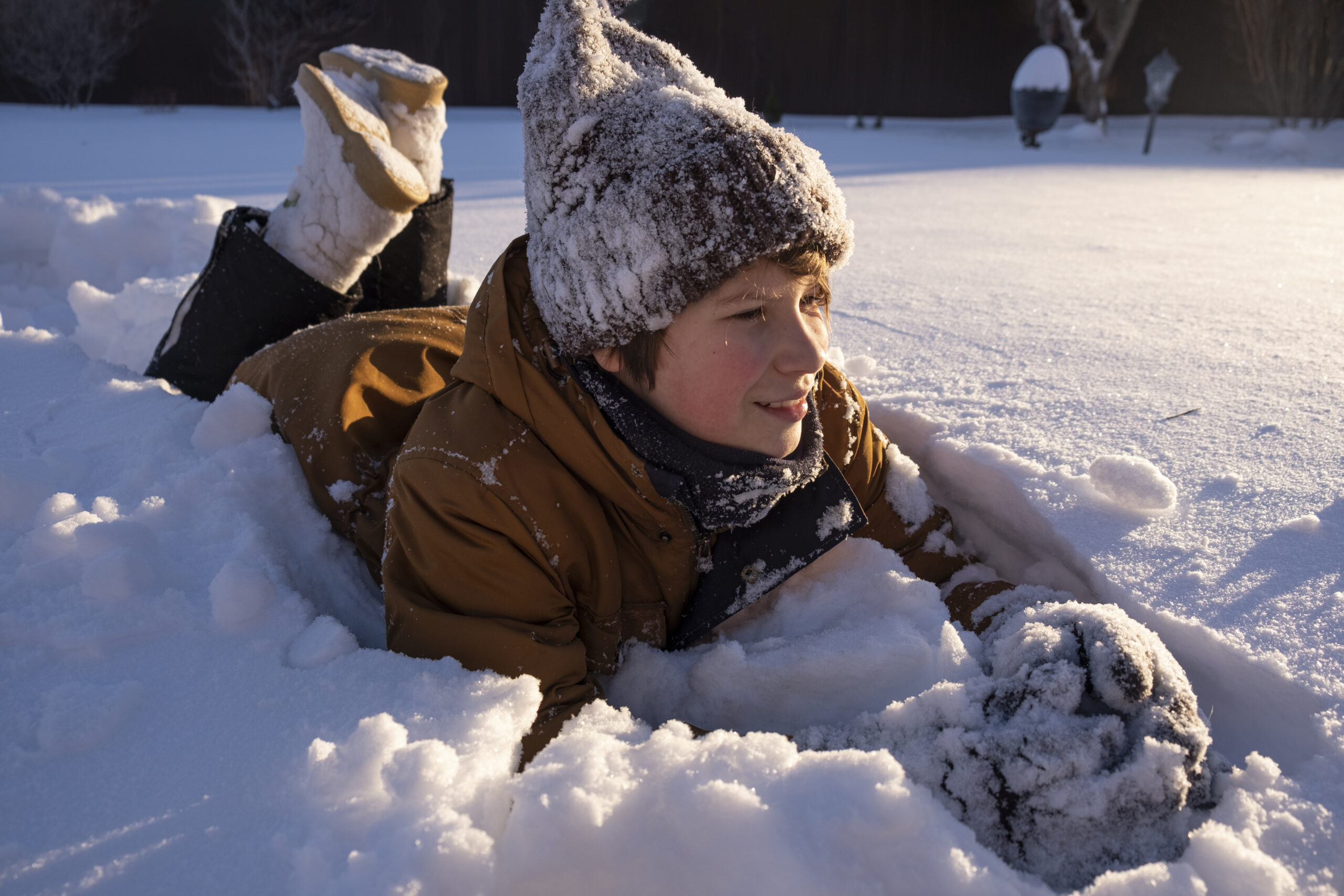
- Teach kids how to layer up themselves. Show them that if they get wet, they must come inside immediately to change. Wet clothes lead to hypothermia quickly in children.
- Teach them to never walk on frozen ponds, rivers, or lakes. Ice thickness can be deceiving and deadly.
- If your children are old enough to walk to school or play in the neighborhood, ensure they know what to do if they get stranded or lost. They should know to go to a neighbor’s house or a trusted business if they can’t get home.
Finally, readiness extends beyond what you wear. Ensure your vehicle has an emergency kit including a blanket, flashlight, jumper cables, and non-perishable snacks. At home, stock up on essentials like salt or ice melt, a snow shovel, and enough food and water to last a few days in case of power outages.
Winter is inevitable, but suffering through it is optional. By purchasing the right gear, equipping your car with proper tires, and educating your children, you can turn a dangerous season into a manageable and even enjoyable one.