The South African state’s failure is not simply one of resources or capacity. It is a failure of will and of political imagination.
South Africa’s Mass Shooting Crisis
- Has the Government failed to control its citizens?
- Who is to blame now since foreigners were chased out of the country?
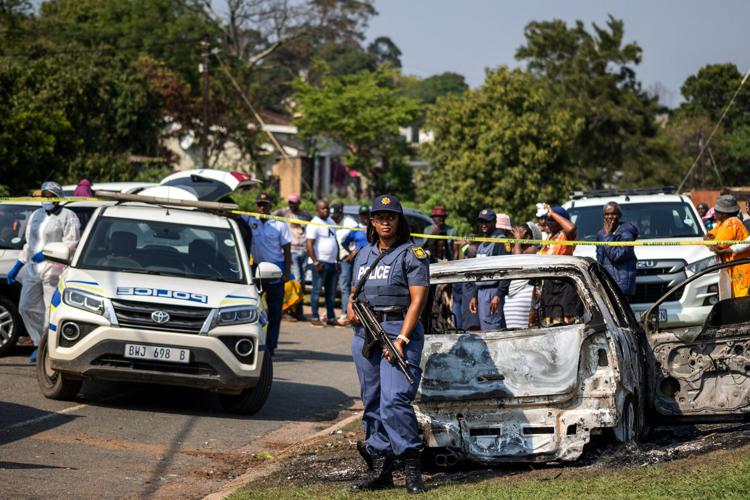
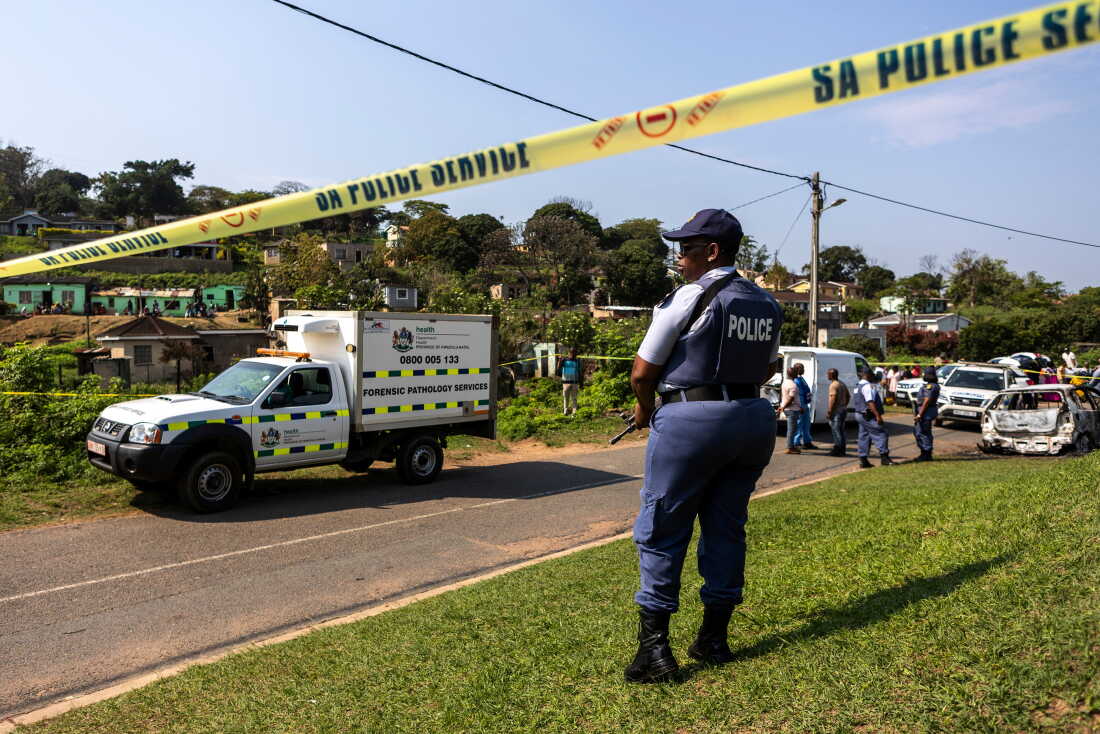
South Africa is reeling from a weekend of bloodshed that has once again exposed the country’s deepening crisis of violent crime and state failure. Two mass shootings within hours of each other near Johannesburg and Cape Town left at least 30 people dead, with dozens more wounded.
The attacks, which occurred at a tavern in Wedela township and an entertainment venue in Lwandle, involved gunmen armed with AK-47 rifles who opened fire indiscriminately on patrons before fleeing. No arrests have been made.
These killings are not an aberration. They are the latest chapter in a relentless pattern of gun violence that has made South Africa the most dangerous country in Southern Africa, with roughly 60 murders recorded daily.
In 2025 alone, at least 40 people were killed in mass shootings at taverns. Between July 2022 and October 2023, police investigated 71 tavern-shooting cases. The weapons used; AK-47s, R5 rifles, and other high-powered firearms are often traced back to the very institutions meant to protect the public.
The South African government’s failure to control its citizens is perhaps most starkly illustrated by its inability to control its own arsenals. A parliamentary question revealed that 170 South African Police Service firearms were reported lost or stolen from police armouries over five years, including high-powered semi-automatic rifles. Of these, only 16 were recovered, leaving more than 150 state-owned weapons unaccounted for and likely circulating in criminal networks.
AfriForum has similarly argued that the country’s firearms control crisis “is not a civilian ownership problem, it is a state control failure,” rooted in the inability to exercise control over firearms in the possession of state entities.
This incapacity to govern extends beyond firearms. In recent months, anti-immigrant vigilante groups have effectively usurped the state’s authority, organizing campaigns to drive foreign nationals out of South Africa. Groups such as Operation Dudula and March & March set a self-imposed June 30, 2026 deadline for undocumented migrants to leave the country. The result was an exodus of more than 160,000 people, according to counts compiled from African governments that received their returning nationals.
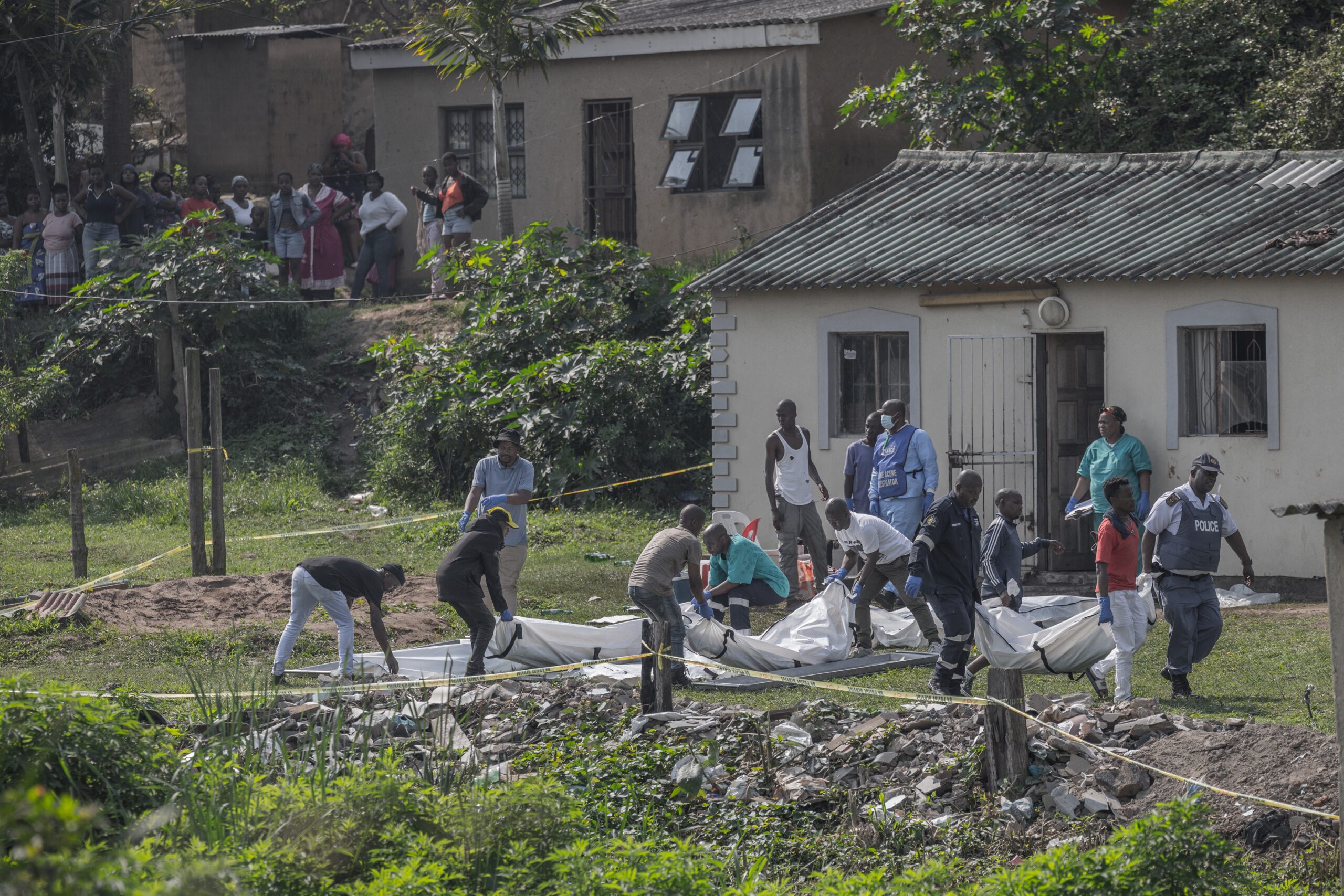
Forensic officers and the army members at the scene
The South African High Court confirmed in November 2025 that Operation Dudula had perpetrated “intimidation, harassment, incitement to violence and hate speech on grounds of nationality, social origin or ethnicity.” The judgment detailed a “clear pattern of unlawful acts,” including the incitement of violence at gatherings and on social media platforms. Yet the violence continued.
Since April, a series of anti-immigration protests led to attacks on foreign workers, with two Mozambicans killed and hundreds injured. The Nigerian Union South Africa accused the government of failing to act. The South African government is not taking drastic measures against the people responsible for xenophobic violence.
Ordinary citizens go up to foreign nationals and ask to see their papers. Then, they take the law into their own hands. They are not the police! And they face no consequences.
The consequences of this vigilante campaign have been devastating for the economy. Thousands of migrant workers have lost their jobs, and businesses are reporting growing shortages of skilled labour.
Agriculture, plastics, and recycling have been hardest hit. Researchers have found no evidence that the jobs vacated by foreign nationals are being filled by locals. the economic rationale for the xenophobic campaign is as hollow as the government’s promises to protect its people.
The South African state’s failure is not simply one of resources or capacity. It is a failure of will and of political imagination. The government has responded to the crisis with a National Action Plan on Racism and Xenophobia that, according to migration researchers, contains almost no plan.
It has spent R600 million to contain the June 30 xenophobic action, resources that law enforcement could have used to prevent it in the first place. It has deployed soldiers to violence hotspots and recruited additional police officers, yet the shootings continue.
When citizens can demand identity papers at gunpoint, when vigilante groups can set deadlines for an entire class of people to leave the country, and when mass shooters can execute 28 people in a single weekend without a single arrest, the state has effectively ceded its monopoly on violence.
The South African government is not merely failing to control crime; it is failing to control its citizens. And in that failure, the most vulnerable. whether they are tavern patrons or migrant workers in, pay with their lives.