To call Sean a “collector” is like calling the ocean a “puddle.” He is an archivist of human emotion, a curator of cultural crossfire
The Archivist of Analog: One Man’s Quest to Preserve the World’s Soundtrack
About Sean Osborne
By Zvakwana Nomore Sweto
Sean grew up in Edmonton, did his junior and high school in the same city. He went to University of Alberta, where he studied French and Theatre and received a teaching degree and later pursued his studies and did a Masters Degree in Educational Psychology.
“I kicked off my career at CBC radio in the early nineties and then ended up moving to Los Angeles where I worked in radio and did some acting for about 15 years. Because of my passion for music, I ended up working in broadcasting for most of my career, mainly radio and some music licensing.”
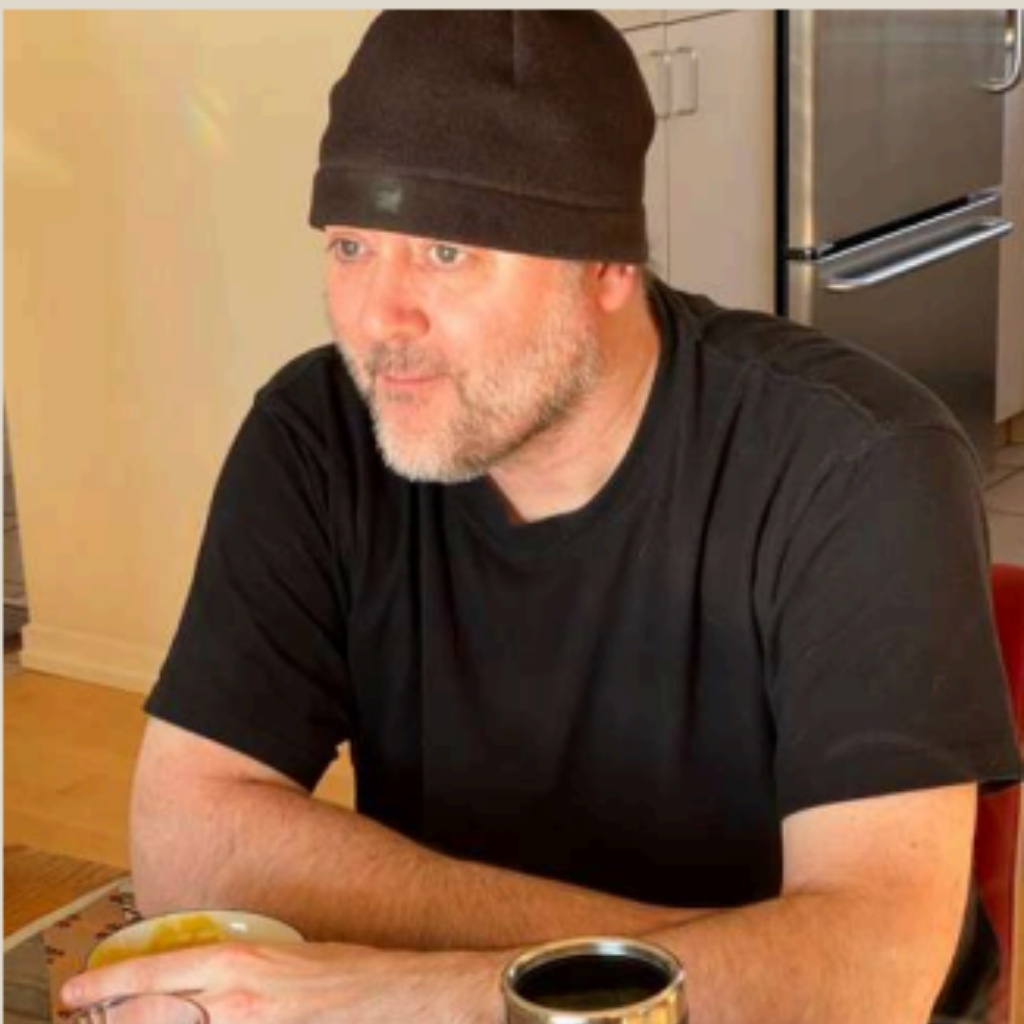
Sean Osborne: The man behind all this
collection that costs a fortune
To show that music flows in his veins, Sean has also worked as a music consultant with several radio stations in Canada and the United States. They say, ‘home is best’, Sean returned to Edmonton after several years to be closer to his family, and to restart a life in Canada.
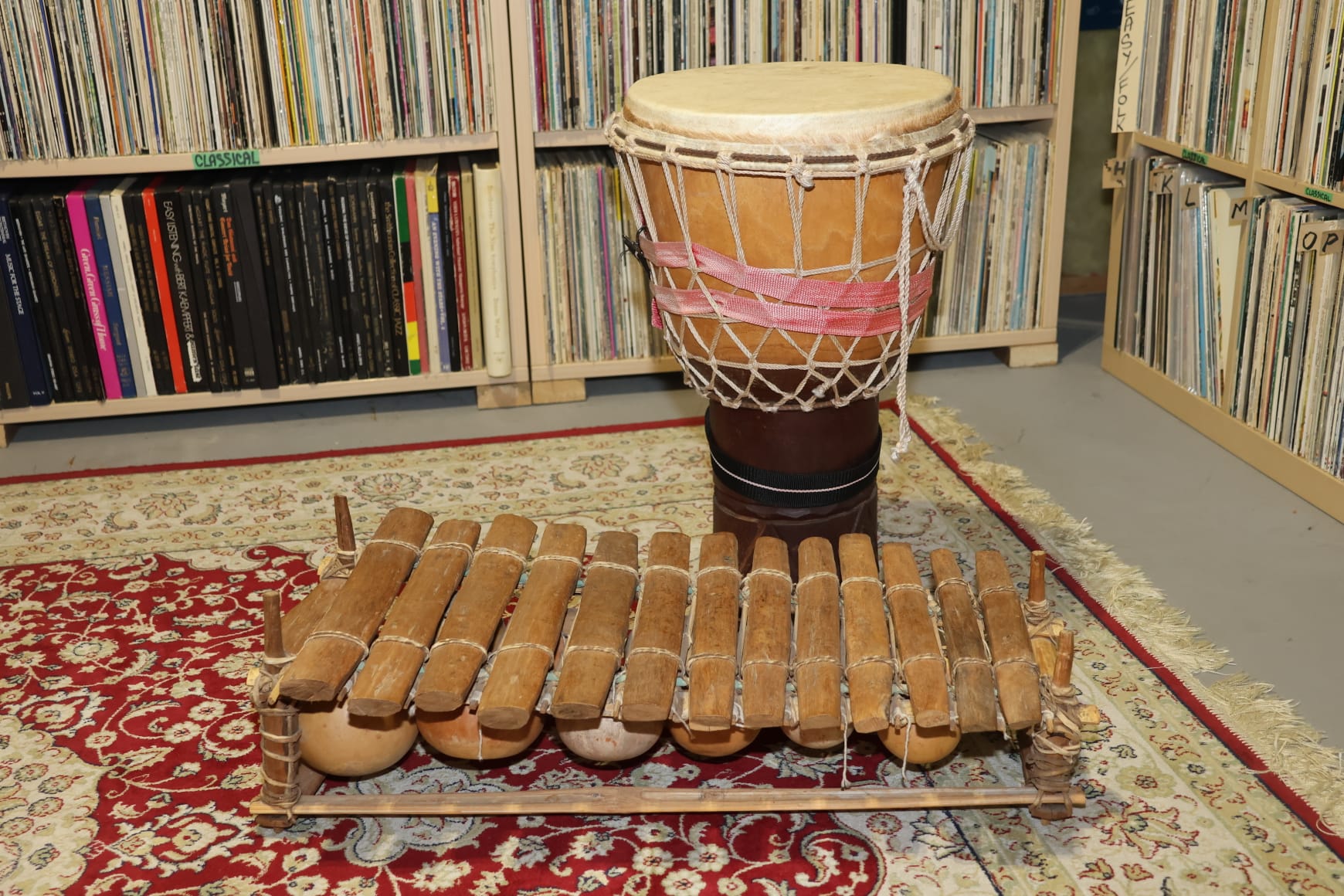
“Since childhood, I’ve always been enormously passionate about music, and it’s been fun to use and share that passion throughout my career, ” Sean said, handing me a copy of an Original Mbira music from Zimbabwe then Rhodesia, recorded in 1976.
They say when a journalist walks, he/she smells news, eats news, breathes news, and most importantly, sees news. Such was the case of yours truly. Driving around the city, I spotted this guy holding a beautiful vintage vinyl player.
I didn’t hesitate but had to call my shot. “Hi bro, what’s up with the vinyl player?” I asked.
He replied, “I need to get it fixed. I use it to sample my music collection when I’m relaxed at home.” We chatted as men until I got the special invite to tour his Media collection space. Booked my appointment and on Saturday at noon I arrived at the archivist’s haven. Even the heavy rain could not stop me.
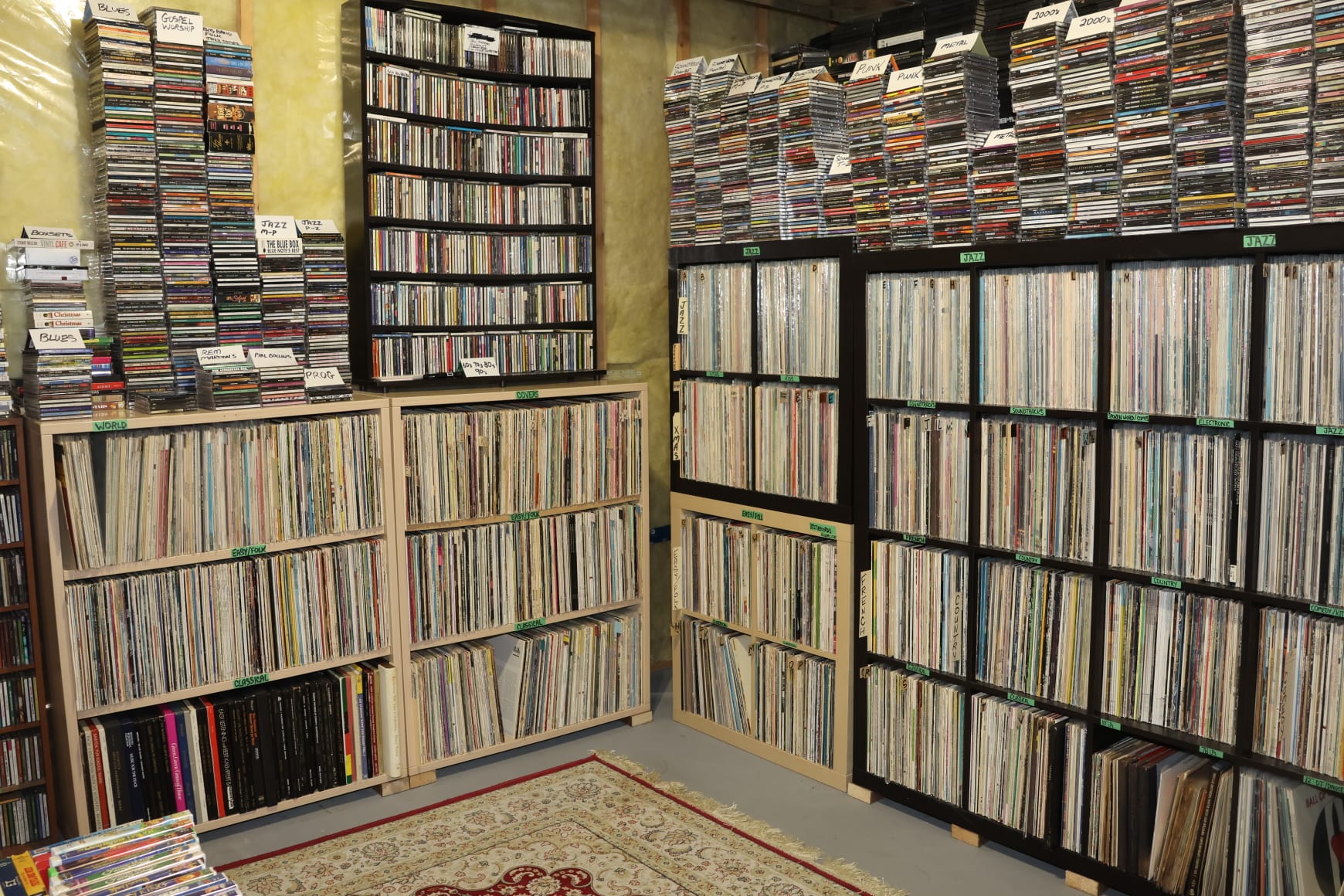
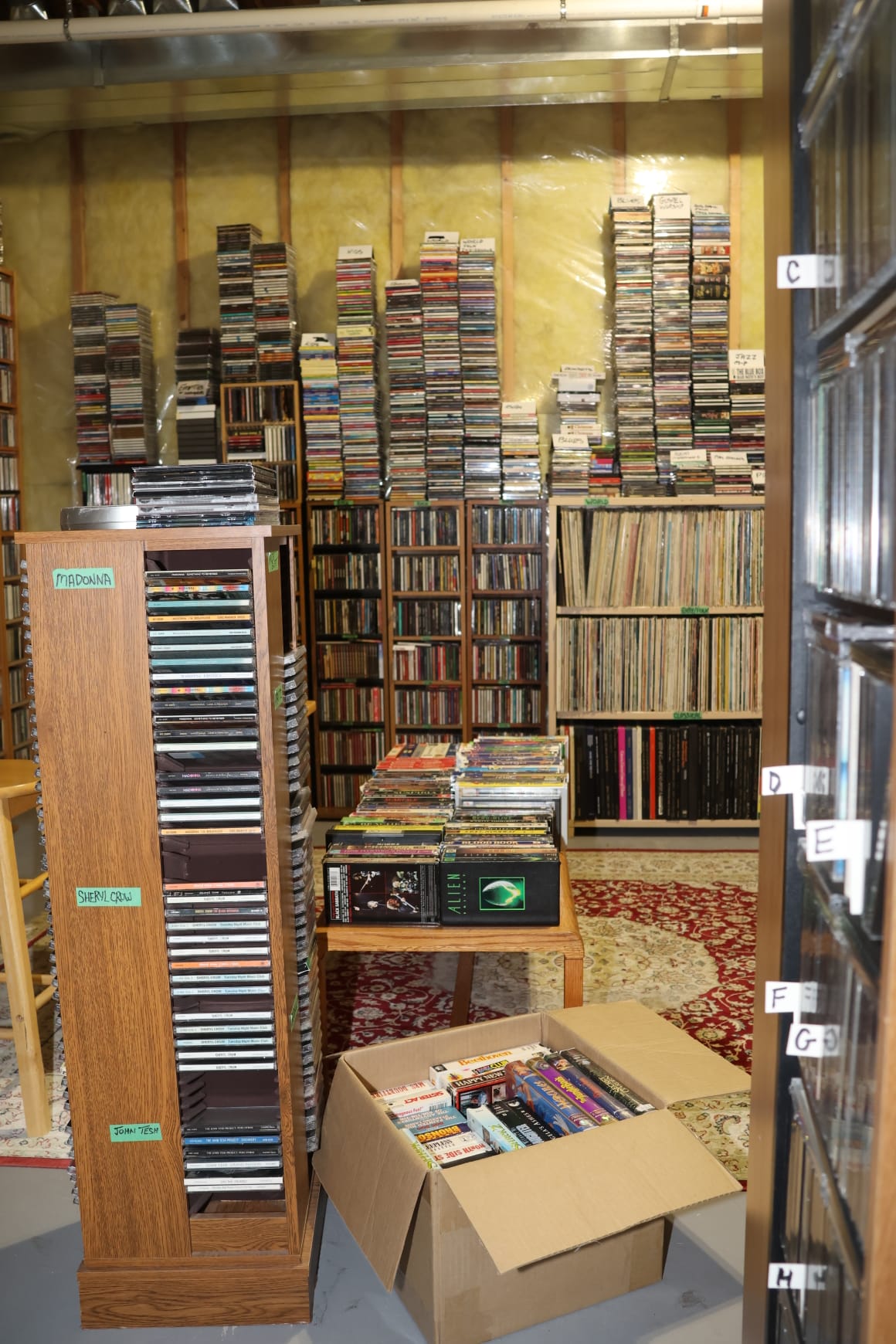
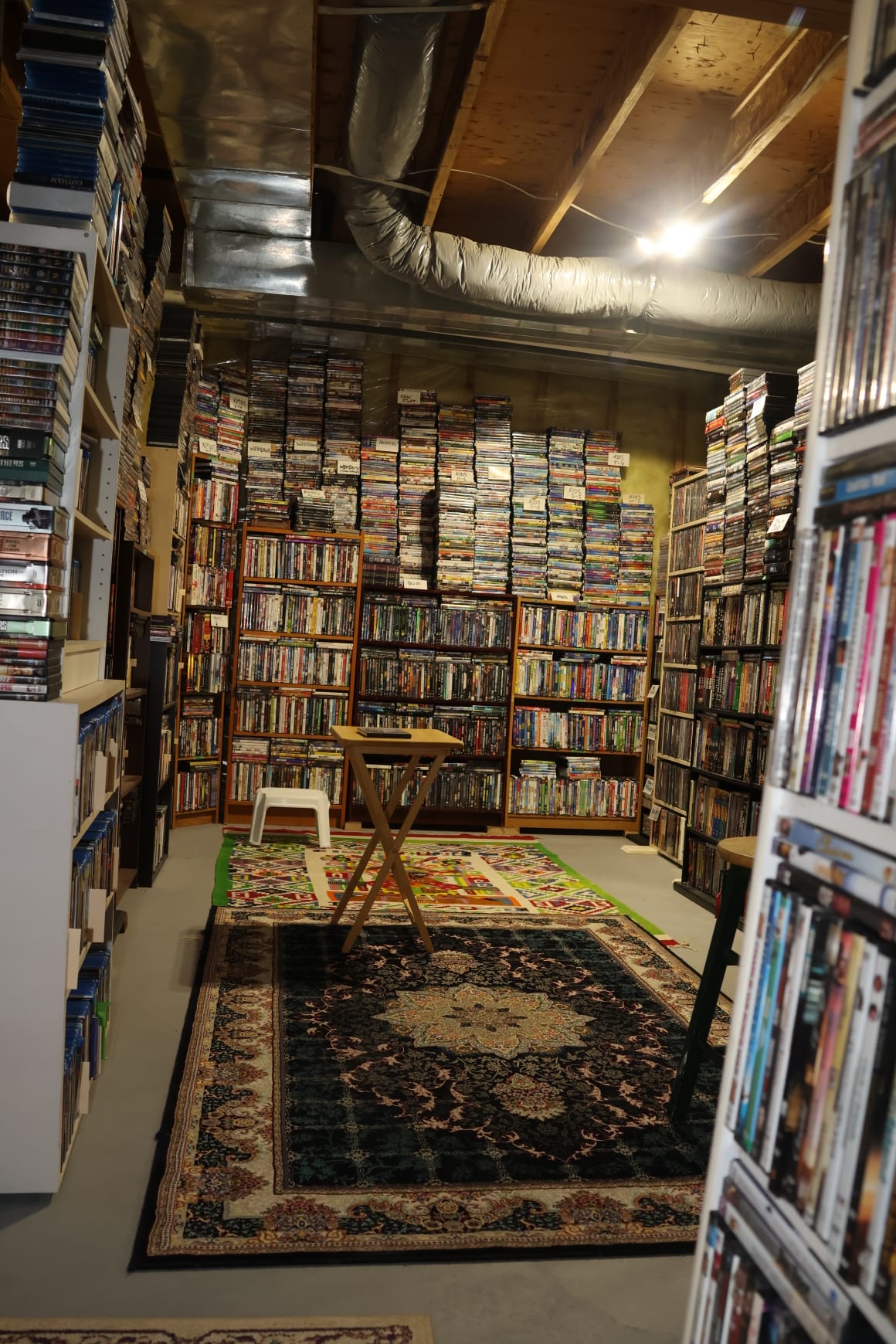
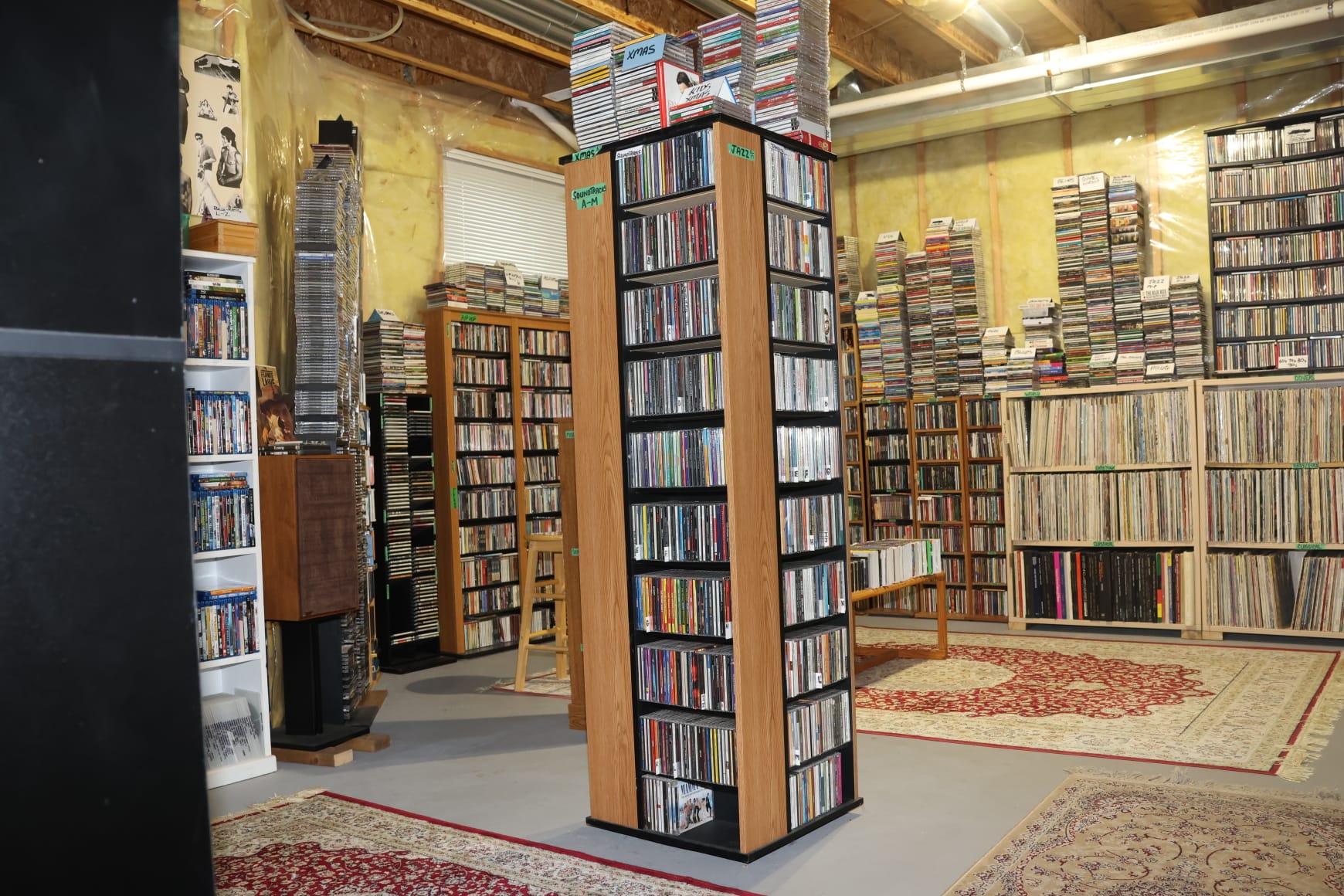
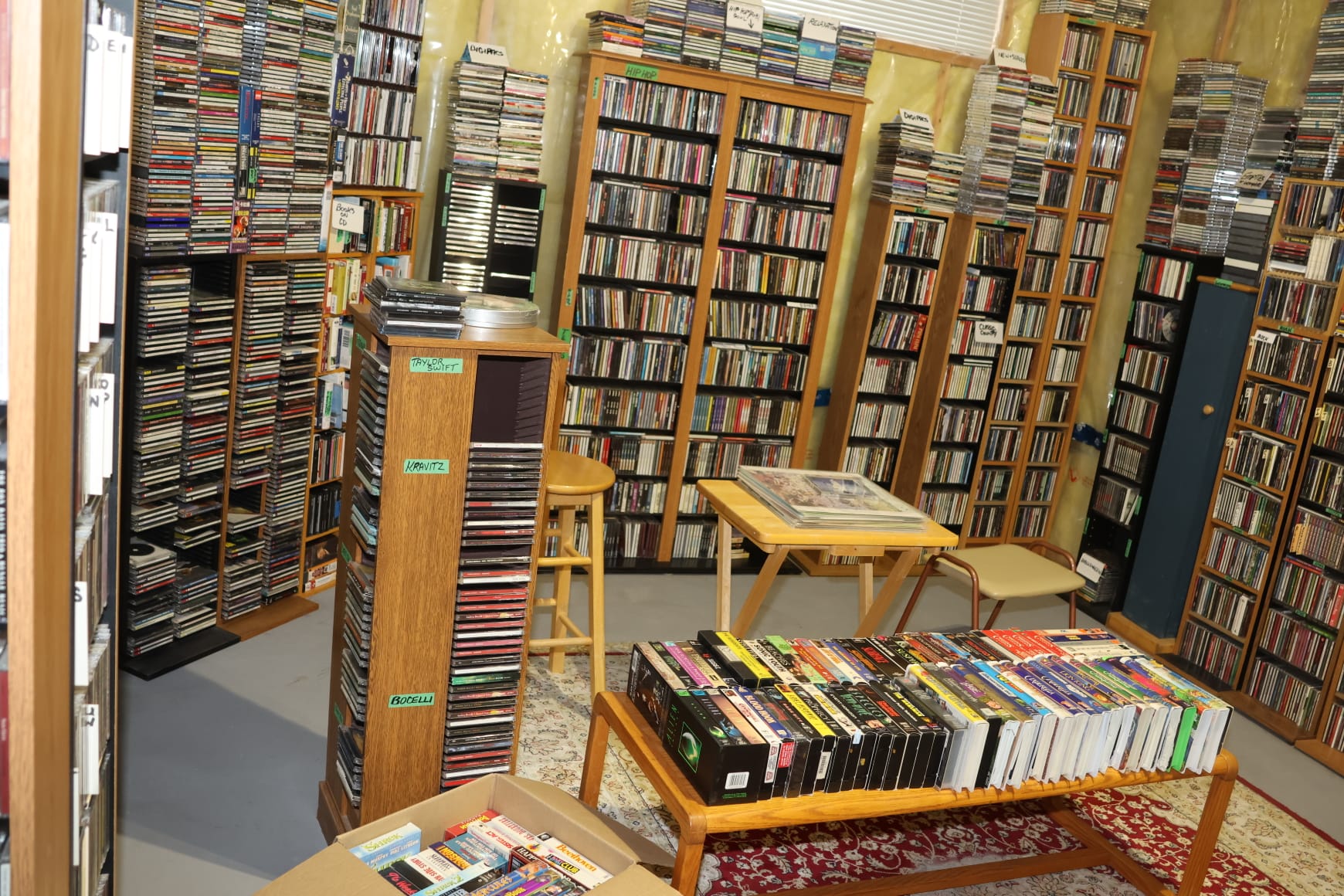
In a climate-controlled basement, the air smells sweet, ready to welcome the guest. Thousands of spines; some jewel-cased, some sleeved cardboard, line floor-to-ceiling shelves. This is not a library. It is the sanctuary of Sean Osborne, a sonic archaeologist.
To call Sean a “collector” is like calling the ocean a “puddle.” He is an archivist of human emotion, a curator of cultural crossfire, and possibly the only person in Alberta, Canada who owns a pristine pressing of a 1974 Zimbabwean chimurenga mbira record and a whole lot of African music that dates back to the 70s.
Sean has traditional music from across most countries in the world, even the unexpected UNESCO Vinyl recordings that unifies major African countries through culture, music, and tradition.
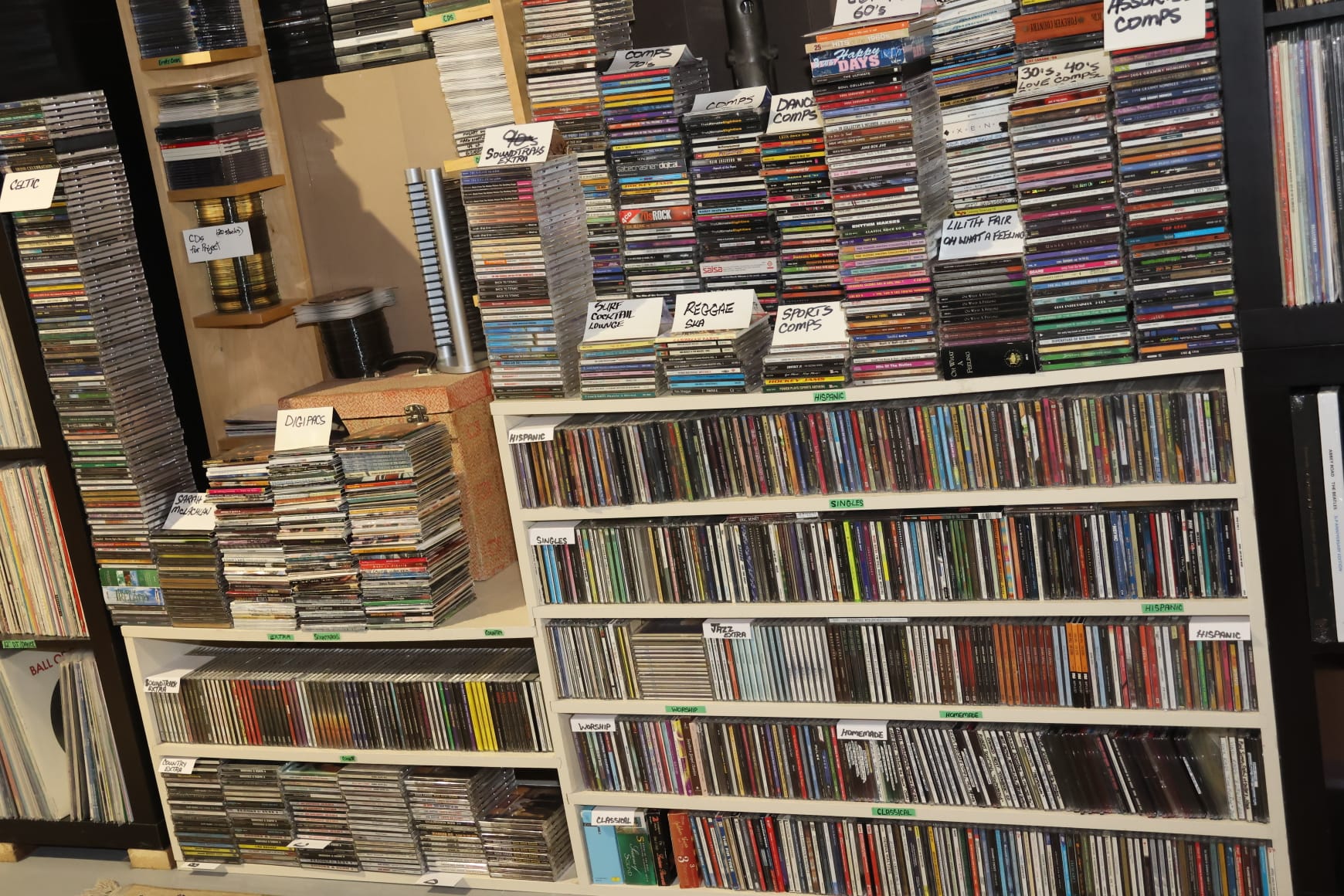
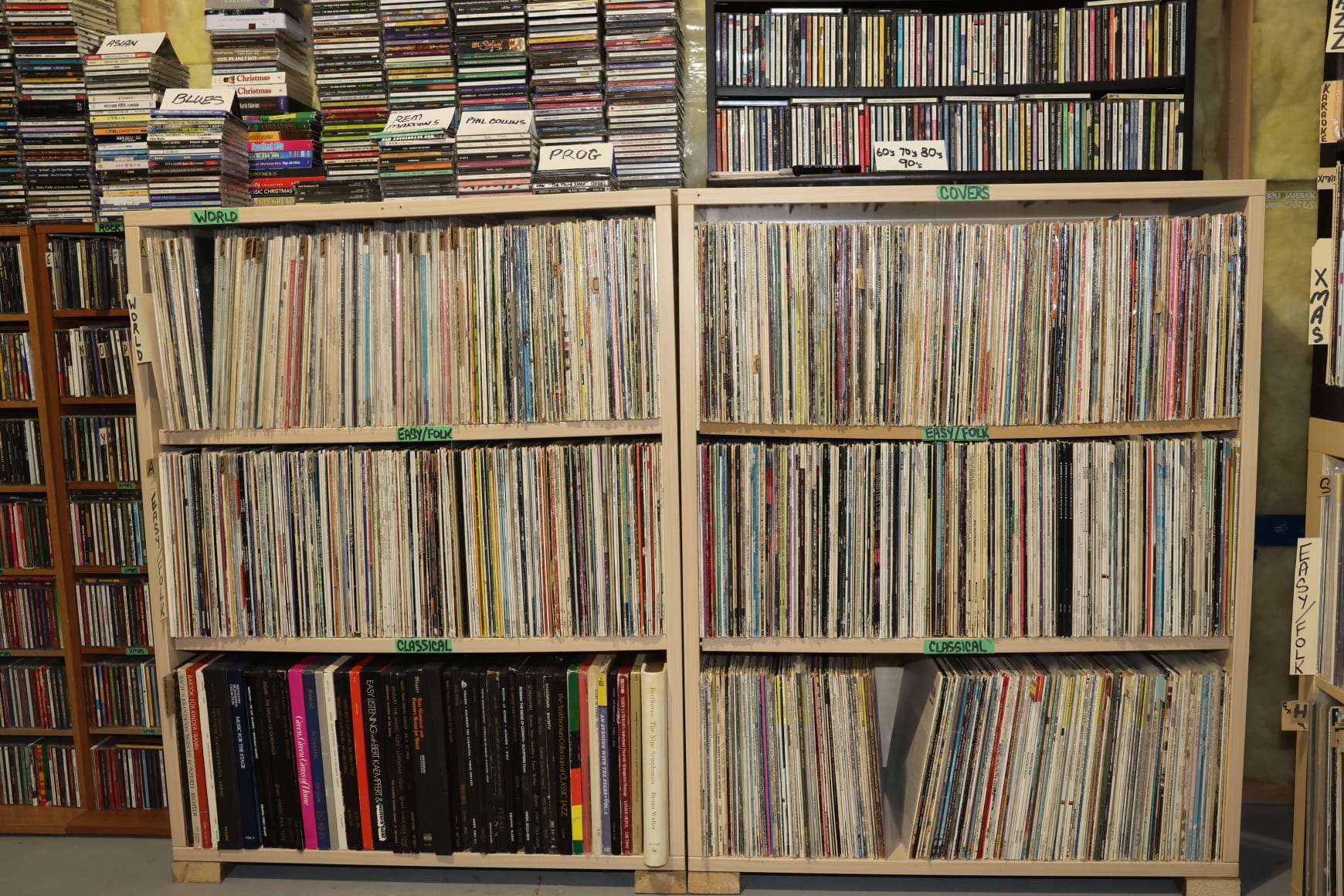
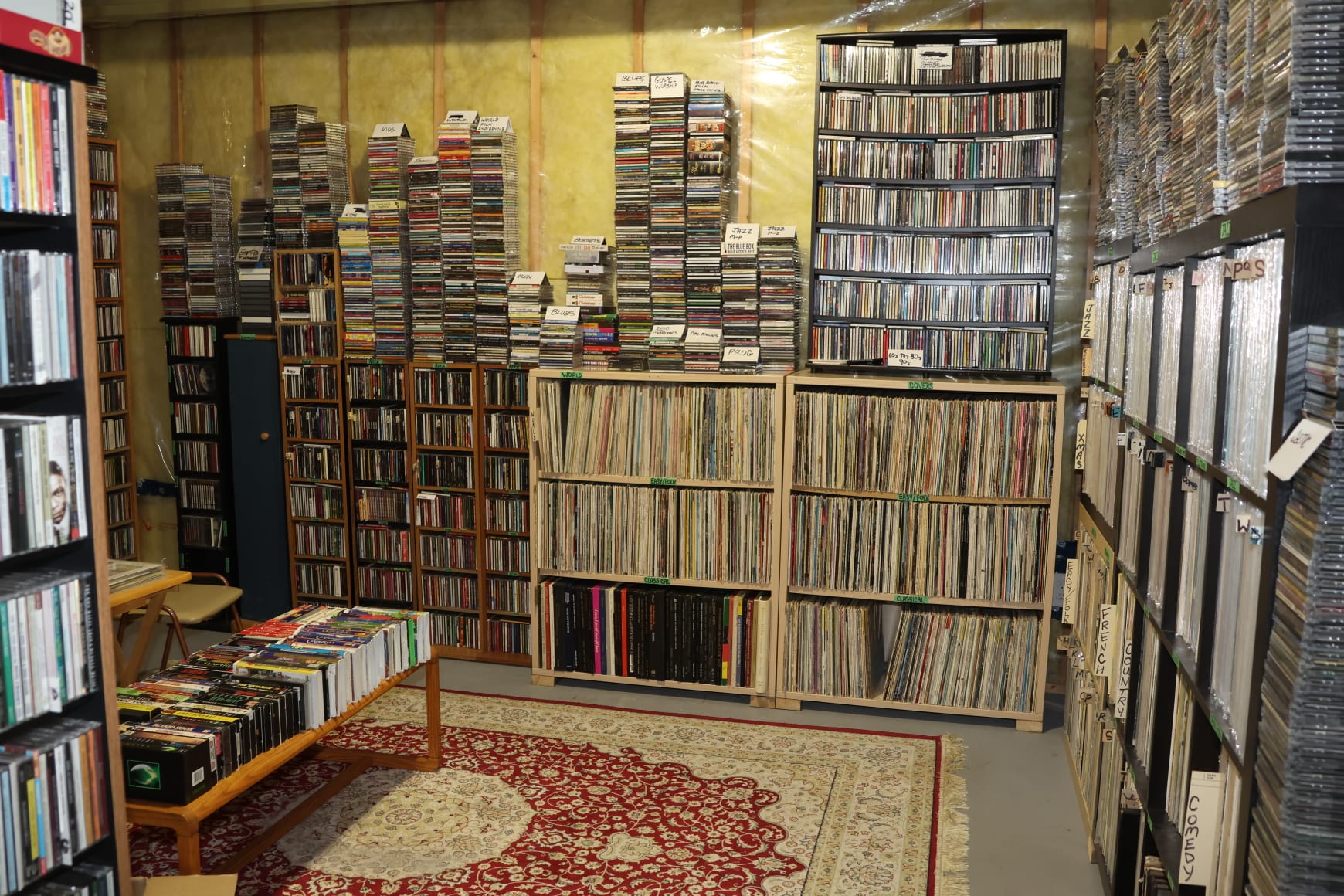
His collection is a geographical fever dream: US blues, Australian pub rock, Afrobeat from Lagos, K-pop from Seoul, signed copies from the world’s musicians, and Italian film scores from the 1960s. The shelves are organized by genre or artist, by decade and continent, a cartography of sound that spans over 10,000 physical pieces.
Part of Sean's collection
What excites me most was his knowledge of the records and music he holds. He knows the artist’s bio, their hits, background and more.
The collection isn’t just digital files on a hard drive. It is tangible history.
- Vinyl
- Compact Discs: The 1980s and 90s gems, many of which are out-of-print but his copies still intact.
- DVDs: Concert films and obscure music documentaries
- Tapes
“People ask why I keep tapes,” Sean says, carefully sliding a Burundi traditional music vinyl out of its case. “They degrade. They warp. But so do we. That hiss? That’s the sound of imperfection. That’s the sound of real.”
A tour around Sean's Collection
The seed for this obsession was planted way back when he was just six years old. He drew his inspiration from his dad. His dad would bring home a cardboard box filled with cassettes from all corners of the world: Congolese rumba from Antwerp, reggae from Kingston, and a bootleg live recording of a Sydney punk band.
“He’d put on that tape, and the room would transform,” Sean recalls, his voice softening. “He’d say, ‘Close your eyes, son. Tell me where you are.’ I’d hear the steel drums and say ‘Kingston.’ He’d smile and say, ‘No, that’s from a street fair in Liverpool, but the feeling is Trinidadian.’
That game became Sean’s lifelong compass and his mission continues: to trace the DNA of global music as it mutates, migrates, and merges.
Sean isn’t just hoarding plastic; he’s mapping evolution. He can show you how the funk of 1970s Lagos directly influenced the disco that hit New York in 1979. He’ll play you an Australian didgeridoo track from ’72, then skip to a 1994 trip-hop album from Bristol to show you the shared rhythmic DNA.
“Listen to the space,” he says, cueing up a 1973 Ghanaian highlife track on his vintage automatic turntable. “Now listen to a 1983 American pop record. The production got tighter, the reverb dried up, the bass went synthetic. That’s not just tech; that’s the world getting faster. Music tells you how humans were feeling in that moment.”
Do you keep all this stuff for streaming? I asked.
“Streaming gives you everything, but it gives you nothing,” he argues. “You don’t own it. You can’t hold it. You can’t smell the cigarette smoke from the 1978 studio where that jazz record was cut. I want people to know that music isn’t content. It’s a vessel.”
But his greatest thrill isn’t the rare find, it’s the unknown find. No digital footprint. No Wikipedia page. Just pure, unfiltered human expression.
Sean is aware that his collection is a fire hazard, a fortune, and a folly all at once. He jokes that if the house burns down, the insurance adjuster will quit on the spot.