Real friendship is about loyalty, kindness, respect, and being there for each other during the day, not about where you lay your head at night.
Sleepovers Are Not a Sign of Friendship
Kids, Listen: Stay Home and Stay Safe
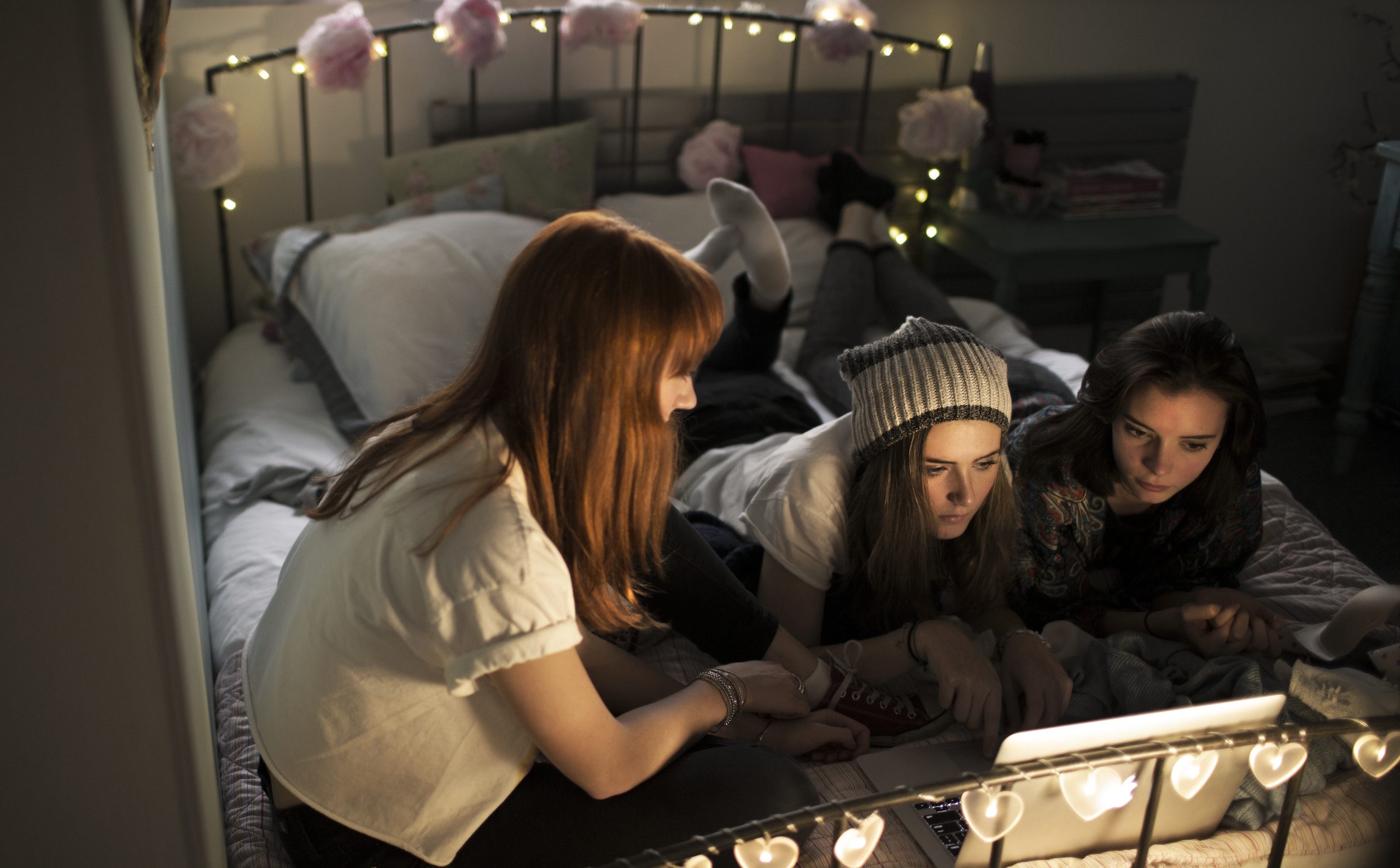
There’s a growing belief among young people that if you don’t go to a sleepover, you must not really like your friend. That you’re uncool. That you don’t trust them. But let me tell you something clearly: Sleeping over at someone’s house is not a measure of true friendship.
Real friendship is about loyalty, kindness, respect, and being there for each other during the day, not about where you lay your head at night.
It’s time we talk honestly about why sleepovers can be risky, and why “home is always the best place to be” isn’t just a saying, it’s a safety rule.
The Hidden Dangers Parents and Kids Ignore
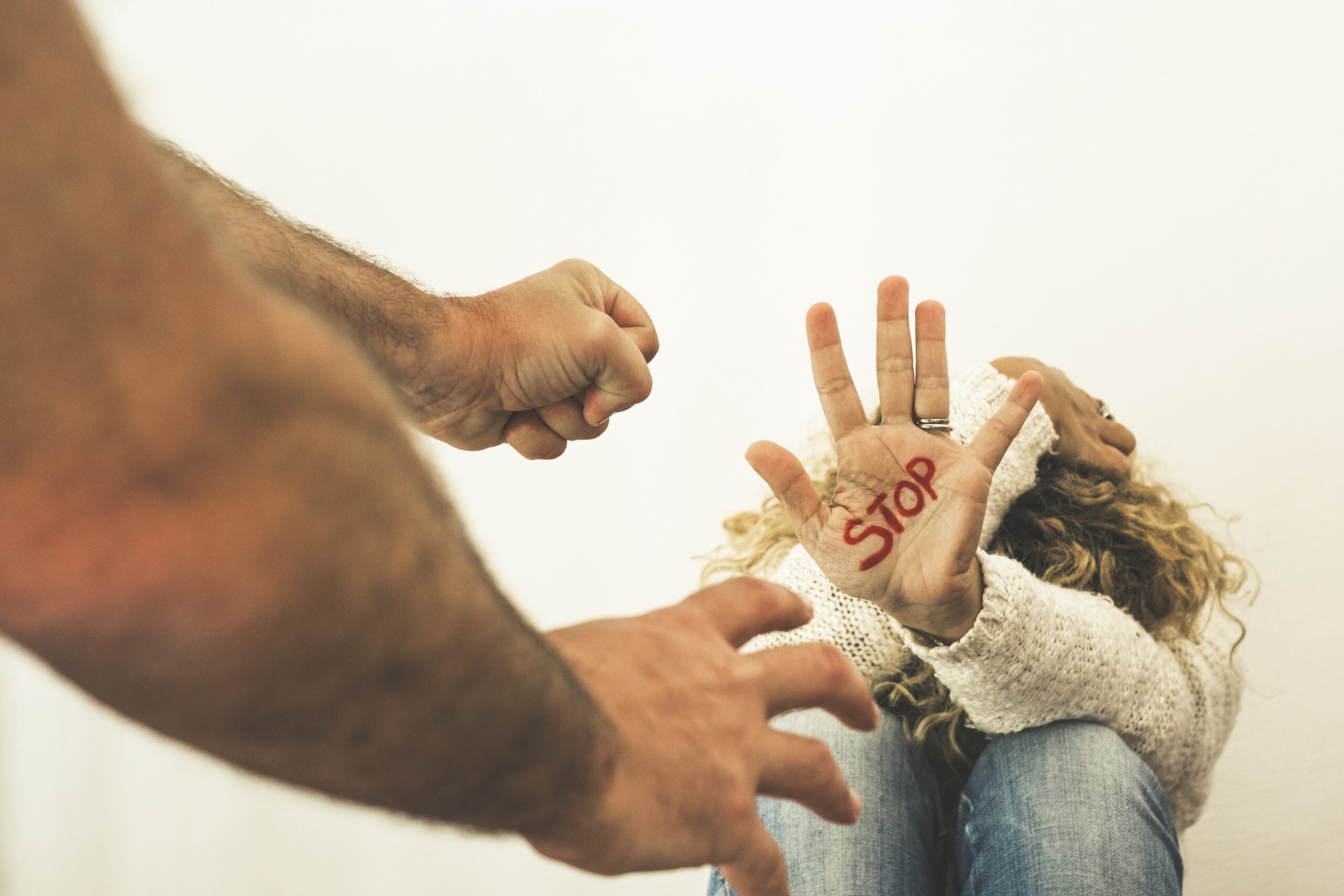
Every year, children find themselves in uncomfortable, frightening, or even dangerous situations at sleepovers. Why? Because once the sun goes down, supervision often fades. Parents may assume everything is fine. Other children may have access to things they shouldn’t: inappropriate movies, phones with unrestricted internet, or even substances like alcohol or drugs.
Worse still, sleepovers can put children in the presence of adults or older siblings who have not been properly vetted. According to child safety organizations, a significant number of abuse cases occur during overnight stays at “trusted” friends’ or relatives’ homes. The hard truth is that most harm to children comes from people they know, not strangers.
“But My Friend’s Family Is Nice”
This also means mothers are involved and usually supports the kids’ sleepover with the same statement. That may be true. Most people are kind. But “nice” does not equal “safe.” You don’t know what happens behind closed doors after midnight. You don’t know who else might be in that house. You don’t know if there are unlocked firearms, aggressive pets, or hidden cameras.
You also don’t know how you’ll feel at 2 a.m. if something feels wrong. At home, you have your parents, your own bed, and a door you can lock. At a sleepover, you have none of that.
Friendship Doesn’t Require Overnight Stays
Let’s be clear: Avoiding sleepovers does not mean you dislike your friend. It means you are smart. It means you value your safety over peer pressure. It means you understand that true friends will never force you to do something that makes you uncomfortable.
You can have amazing friendships without ever spending the night. Play together after school. Have daytime parties. Go to the park. Video call each other. But when bedtime comes, go home.
A real friend will say, “I understand. Let’s hang out tomorrow instead.”
A real friend will not pressure you or shame you for leaving.
Home Is Always Best
Home is where you are known. Home is where you are protected. Home is where you can wake up without fear, confusion, or regret. No matter how fun a sleepover sounds, no matter how much everyone else is doing it, your safety is worth more than fitting in.
So, kids: Avoid sleepovers at all costs. Not because you’re afraid, but because you’re wise. And be safe. The best friendships are built during daylight hours, with clear boundaries and mutual respect.
Stay home. Stay safe. That’s how you truly win at growing up.
Finally, if you ever feel pressured to attend a sleepover or find yourself in an unsafe situation, tell a trusted adult immediately. Your voice is your best protection.