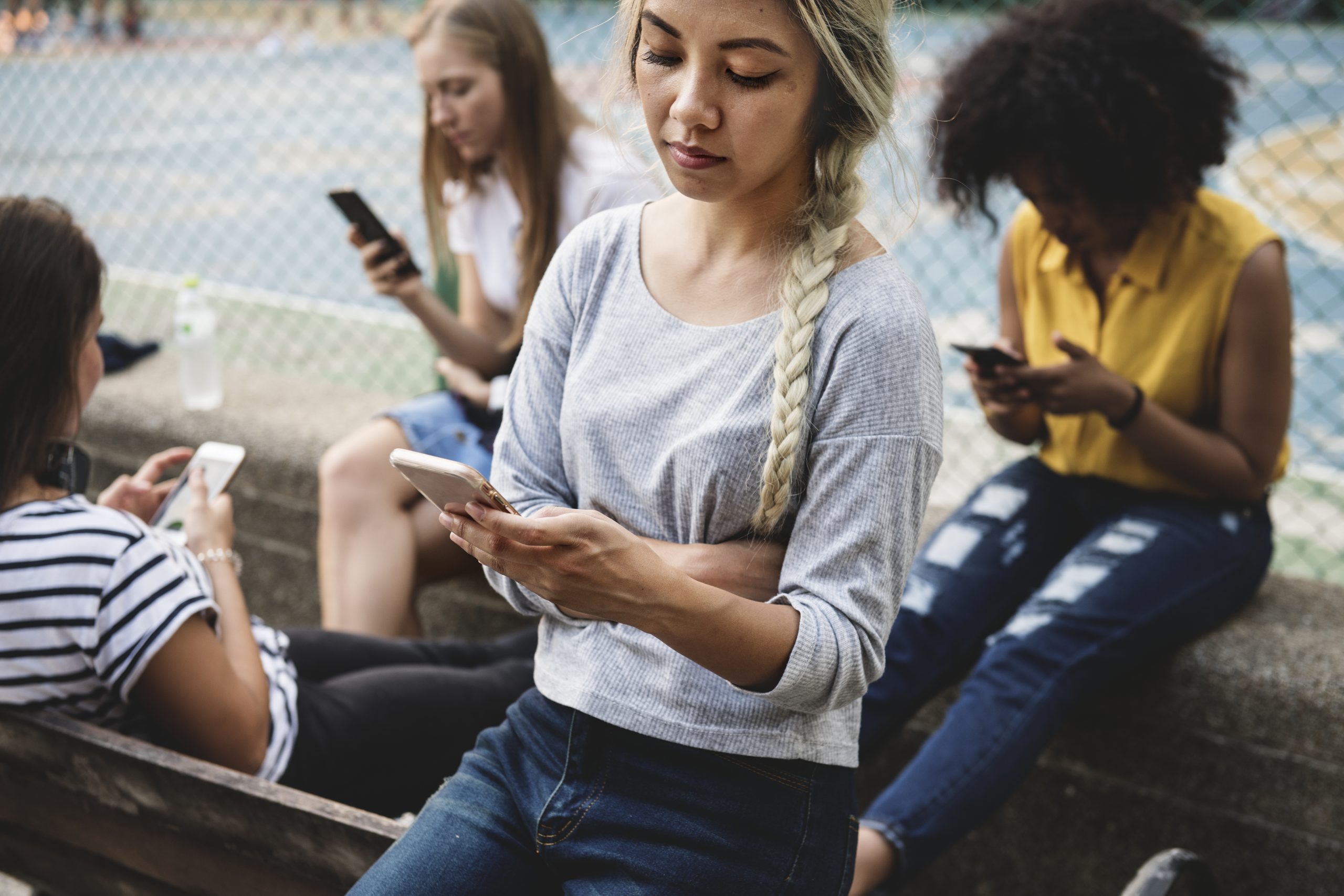
Some countries have moved to ban social media for under-16s without parental consent.
Social Media Has Done More Harm Than Good To Our Kids
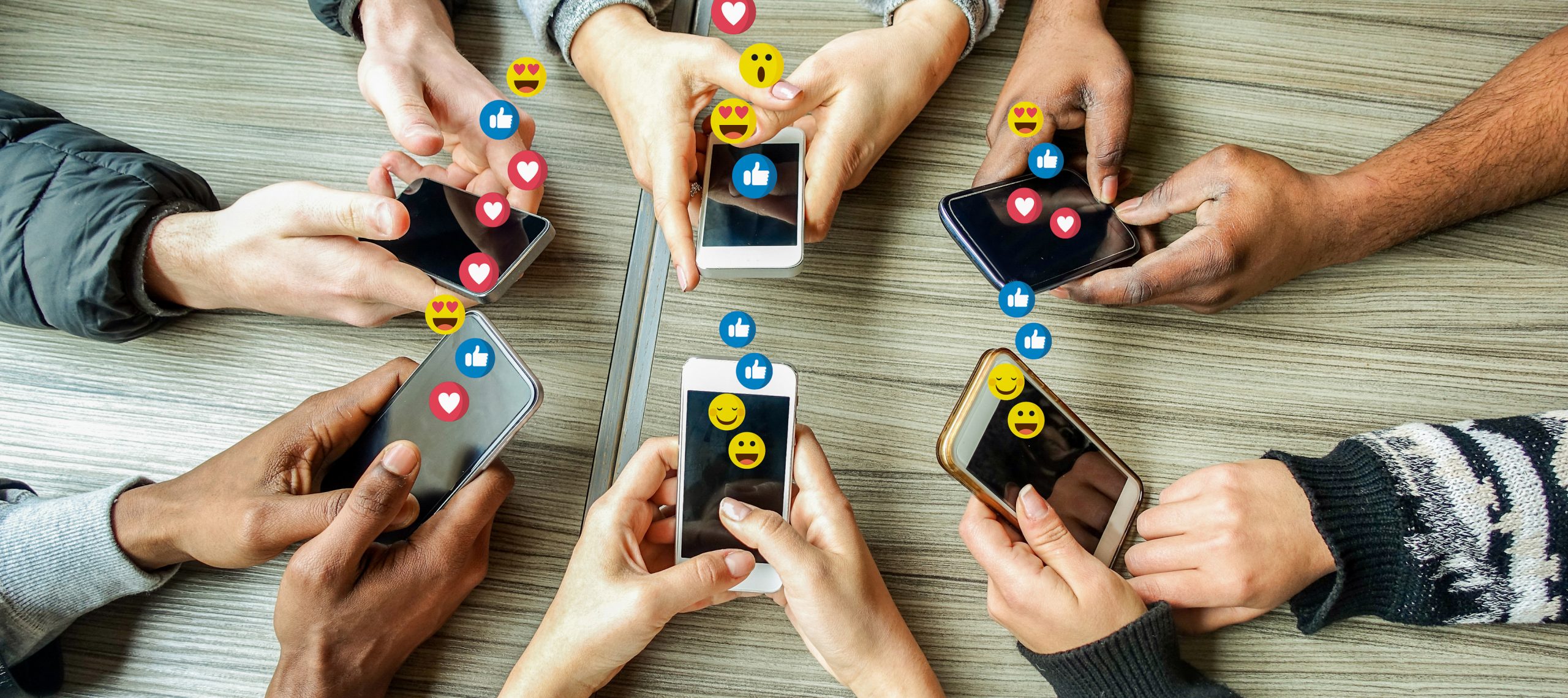
- Why Social Media Is Harming Our Kids
- Why Governments Must Ban It for Under-16s
For over a decade, we have allowed a massive, uncontrolled social experiment to play out on our children. Platforms like Instagram, TikTok, and Snapchat were not designed with adolescent well-being in mind, they were engineered to maximize attention, engagement, and profit.
The results are now undeniable: a generation is struggling with unprecedented rates of anxiety, depression, and self-harm. It is no longer enough for parents to monitor screen time or for schools to teach digital literacy. The evidence is clear, and the urgency demands it: governments must pass laws prohibiting social media use for anyone under the age of 16.
First, consider the impact on mental health. Between 2010 and 2020, rates of teen depression and suicide in the U.S. and U.K. surged by over 50%, with the sharpest rise occurring among girls aged 12–15. This timeline correlates precisely with the widespread adoption of smartphones and social media.
Longitudinal studies, including those from the Journal of Child Psychology and Psychiatry, show that adolescents who spend more than three hours a day on social media face double the risk of poor mental health outcomes, including anxiety, depression, and loneliness.
Why? Because adolescence is a critical period for identity formation and social learning, but social media hijacks these processes. Features like “likes,” endless scrolling, and curated feeds exploit dopamine-driven feedback loops. Kids compare their real, messy lives with the highlight reels of peers, leading to toxic cycles of inadequacy. For those already vulnerable, cyberbullying is relentless; it doesn’t end when the school bell rings. Tragically, countless cases of teen suicide have been linked to online harassment, a preventable tragedy.
Beyond psychology, social media erodes the pillars of healthy development. Sleep is the first casualty. The blue light and addictive design keep kids awake late, disrupting the REM sleep essential for memory, emotional regulation, and growth. Chronic sleep deprivation in teens is linked to poor academic performance and increased risk-taking.
Attention spans suffer as well. The constant switching between short, explosive content rewires young brains for distraction, impairing the ability to read long texts or engage in deep, focused work. Meanwhile, physical activity declines as screen time replaces outdoor play, contributing to rising obesity rates. We are raising a generation that can scroll for hours but struggles to hold a face-to-face conversation, a foundational skill for life and work.
Why Parental Control Is Not Enough
Some argue that parents should simply set limits. But that places an unfair burden on individual families while ignoring the structural problem. Social media algorithms are designed to outsmart parental controls and exploit psychological vulnerabilities. Many parents are themselves addicted to their phones, outmatched by engineering geniuses in Silicon Valley. Moreover, peer pressure is immense: if 80% of a 13-year-old’s class is on Instagram, no parental rule can fully isolate that child from the social exclusion of being offline.
A law prohibiting use for under-16s changes the dynamic. It aligns all families, schools, and platforms with a single, enforceable standard. It says: This is not a parenting failure; it is a design problem, and we are fixing it at the societal level.
Precedent for Government Action
This is not radical, it is common sense. We already restrict driving to 16, voting to 18, and alcohol to 21, because we recognize that children’s brains are not equipped to handle those risks. Social media poses a similarly serious, if more insidious, threat. Some countries have moved to ban social media for under-16s without parental consent.
Opponents claim such laws violate free speech or would be unenforceable. But free speech does not include a right to commercial manipulation of minors. As for enforcement, technology exists: age verification via ID or biometrics, combined with serious fines for platforms that fail to comply (e.g., millions per violation). When governments have the will, they can regulate.
Truth is we would not hand a 12-year-old unlimited cigarettes, alcohol, or unsupervised time in a dangerous part of town. Yet we have handed them a smartphone with access to a global network engineered to addict and influence them. The damage is not hypothetical, it is playing out in emergency rooms, counselors’ offices, and tragically, funerals.
Governments have a duty to protect children from foreseeable harm. Passing a law prohibiting social media for under-16s will not solve everything, but it will give childhood back to children: more sleep, more play, more real friendships, and the mental space to grow. The question is not whether we can afford such a law. It is whether we can afford any longer to live without one.