How can a land so abundantly blessed remain home to so many who have so little?
AFRICA DAY: A Reflection On Freedom, Wealth, And The Unfulfilled Promise
By Zvakwana Nomore Sweto
25 May – Day of Liberation and Lingering Questions
Every year on 25 May, the African continent and its global diaspora pause to commemorate Africa Day, the anniversary of the founding of the Organization of African Unity (OAU) in 1963 now known as African Union (AU). It is a day meant to celebrate liberation, unity, and the enduring spirit of a people who shook off the chains of colonial rule.
But for millions across the continent, this day carries a weight far heavier than celebration. It is a day of reflection, frustration, and a profound question that refuses to fade:
How can a land so abundantly blessed remain home to so many who have so little?
Africa is not poor. It is extraordinarily rich.
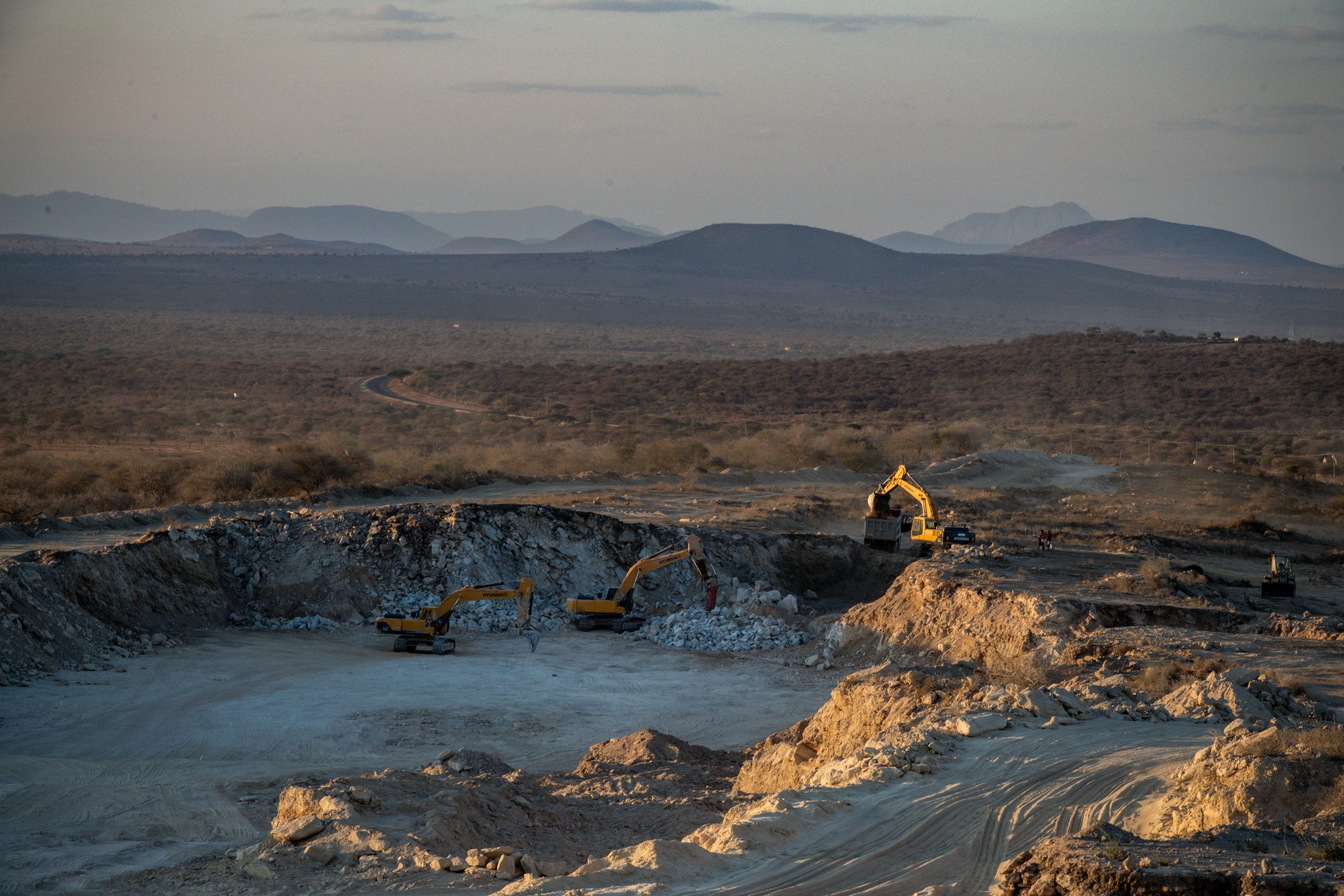
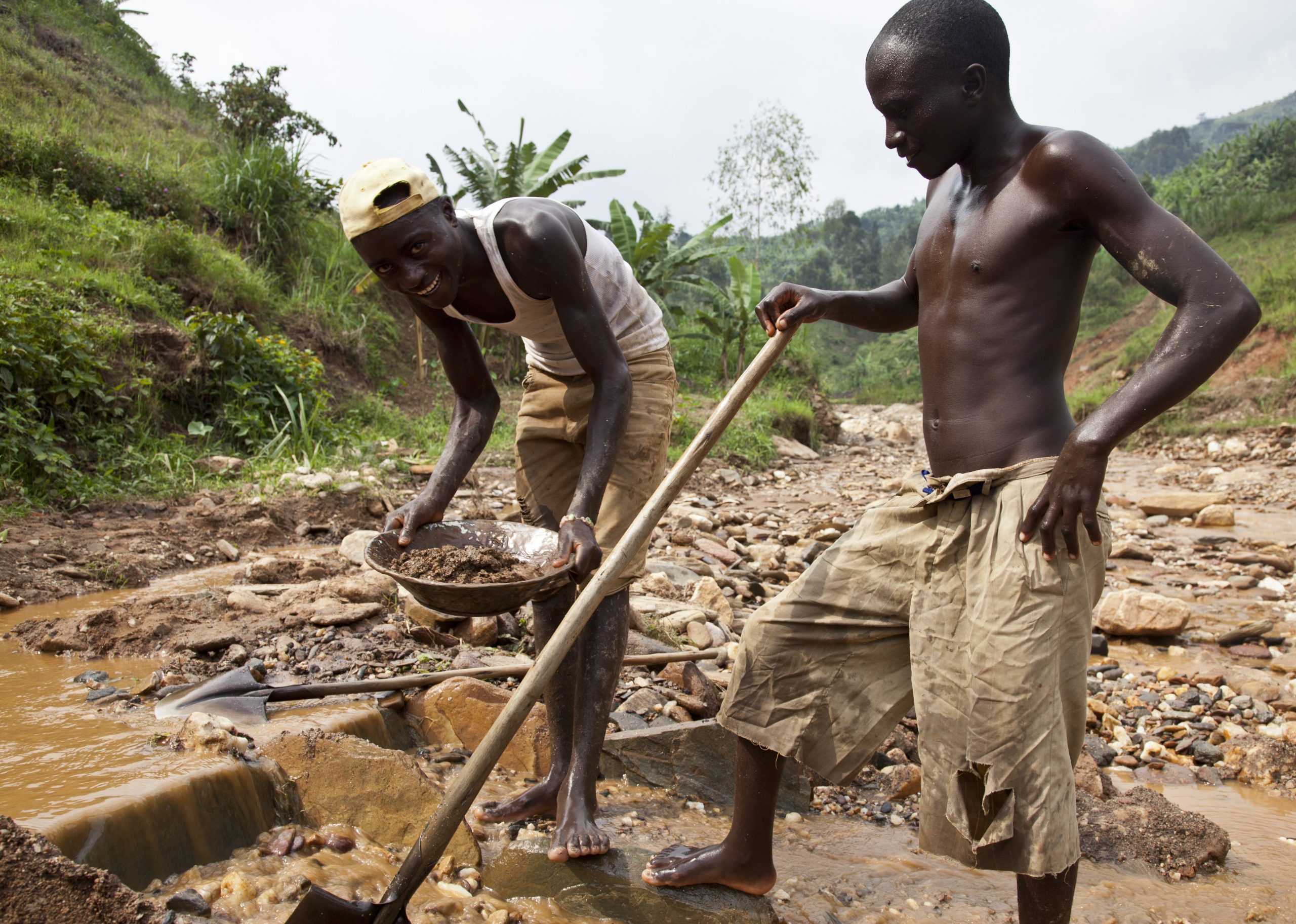
Beneath its soil lies 30% of the world’s mineral reserves. The Democratic Republic of Congo holds cobalt and copper essential to the global energy transition. South Africa sits on vast gold and platinum deposits. Nigeria’s oil reserves fueled economies far beyond its borders. Zimbabwe, Guinea, and Sierra Leone hold some of the world’s largest diamond and bauxite deposits. The list is endless; lithium, uranium, manganese, rare earth elements.
Africa is rich in minerals
The continent possesses 60% of the world’s uncultivated arable land, the Nile, the Congo, the Zambezi, and renewable energy potential that could power nations. The sun beats down relentlessly; the wind sweeps across plains; the rivers roar with untapped hydroelectric force.
The African Development Bank reports that over 430 million Africans live in extreme poverty. Youth unemployment cripple nations. Infrastructure crumbles. Healthcare systems collapse under the weight of preventable diseases. Education remains a privilege rather than a right. The wealth beneath the feet of ordinary citizens is extracted, exported, and enriching others, while those who stand on this sacred ground struggle to feed their children.
This is not a tragedy of scarcity. It is a tragedy of stolen abundance. It is independence without liberation. The flags changed. The anthems played. The colonial administrators boarded ships and planes. But for too many nations, the structures of extraction remained intact, only the faces at the top changed.
Decades after independence, a cruel pattern has emerged across too many African states:
Leaders arrive promising transformation. They speak the language of liberation, draped in the colors of the struggle, invoking the names of fallen heroes. They build mansions while hospitals lack basic supplies. They stash billions in foreign bank accounts while teachers earn salaries that cannot survive a month. They award contracts to shadowy companies while roads remain impassable. They suppress dissent while preaching democracy.
Corruption is not an accident of governance in too many places, it is the system itself.
Election cycles become theatrical performances. The people are remembered only when ballots are needed. Promises flow like rivers during campaigns, then dry up the moment votes are counted. Constitutions are amended to extend terms. Term limits become suggestions. Opposition voices are silenced, bought, or broken. The judiciary, the media, and civil society are captured, starved, or intimidated.
The African Union’s own African Peer Review Mechanism and countless anti-corruption bodies exist, yet impunity persists. The money leaves. The people stay. And the cycle deepens.
This is what I can term, ‘The Betrayal of a Generation.’ Perhaps the deepest wound is the betrayal of youth. Africa is the youngest continent on Earth. Over 60% of its population is under 25. These are generations that did not experience colonialism directly but inherited its economic architecture. They are educated, connected, creative, and ambitious. They build startups with unreliable electricity. They code on secondhand laptops. They farm with hoes where tractors should roam.
And they watch as their leaders, often decades older, clinging to power with iron grips, squander the future that could be theirs.
The brain drain is not a choice for many; it is a survival strategy. The doctor who leaves for Canada. The engineer who builds Dubai instead of Dakar. The teacher who educates London because Lagos cannot pay a living wage. The continent loses its best minds not because they lack love for home, but because home too often fails to love them back.
Celebration without honest reflection is hollow. Africa Day must be more than cultural performances, church celebrations. and diplomatic receptions.
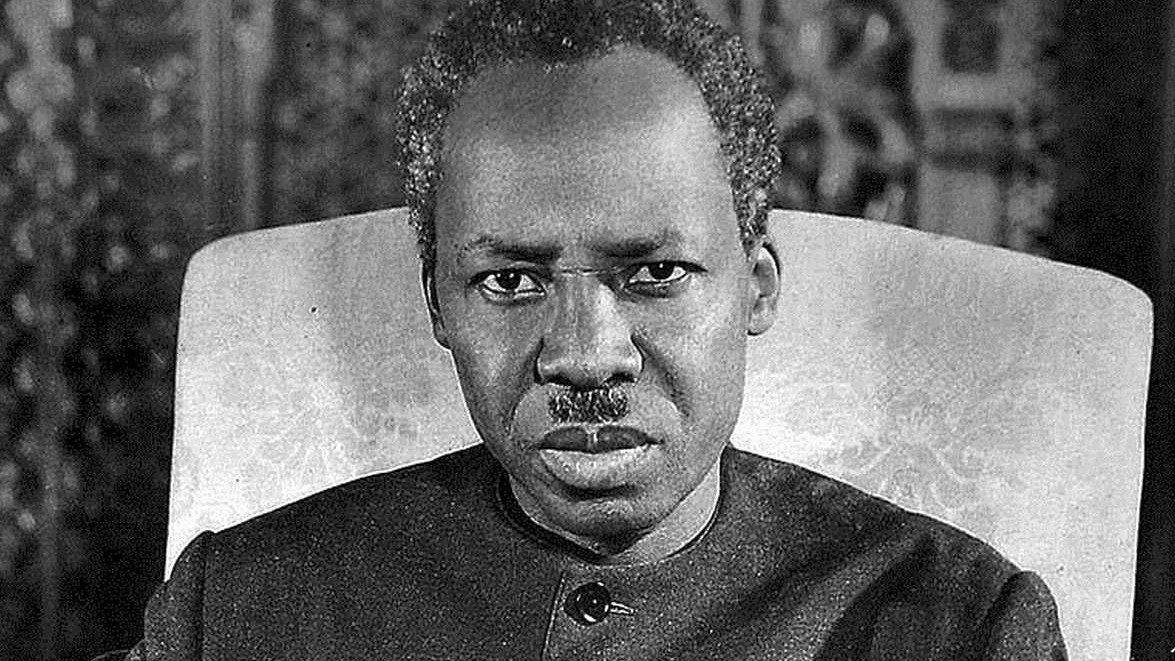
Mwalimu Julius Kambarage Nyerere
“Unity will not make us rich, but it can make it difficult for Africa and the African peoples to be disregarded and humiliated. And it will, therefore, increase the effectiveness of the decisions we make and try to implement for our development. My generation led Africa to political freedom. The current generation of leaders and peoples of Africa must pick up the flickering torch of African freedom, refuel it with their enthusiasm and determination, and carry it forward.” - Mwalimu Julius Kambarage Nyerere
It must be a day of reckoning:
- Reckoning with resource justice: Who benefits from Africa’s wealth? Where does the money go? How can extraction be transformed into equitable development?
- Reckoning with governance: Why do leaders who fail their people remain in power? What institutional reforms can break the cycle of impunity?
- Reckoning with solidarity: Can African nations trade more with each other than with former colonial powers? Can the African Continental Free Trade Area (AfCFTA) become a reality rather than a promise?
- Reckoning with the diaspora: The millions of Africans abroad carry skills, capital, and networks. Can they be genuine partners in rebuilding, not just remittance senders?

And it must be a day of renewed commitment, not by those in power alone, but by every citizen who refuses to accept that this is the best Africa can be.
The founding fathers of the OAU: Kwame Nkrumah, Haile Selassie, Julius Nyerere, and others; dreamed of a united, prosperous, and self-determining Africa. They knew that political freedom without economic freedom was incomplete.
Africa Day is not a museum piece. It is a living mandate. It calls on every African, on the continent and in the diaspora to demand better, to build louder, to vote wiser, to speak bolder, and to never accept that poverty amid plenty is natural or inevitable.
The minerals will remain. The sun will still shine. The rivers will still flow.
The question is: Who will control them? Who will benefit from them? And will the people finally see the wealth that has always been theirs?
Happy Africa Day.
Not just in celebration, but in determination. The truth is still unrevealed. And it must be told.