As one analyst noted, “A change at the top gives Labour a chance to prevail at the next general election, but only a chance.”
Starmer’s Tearful Goodbye After Just 700 Days
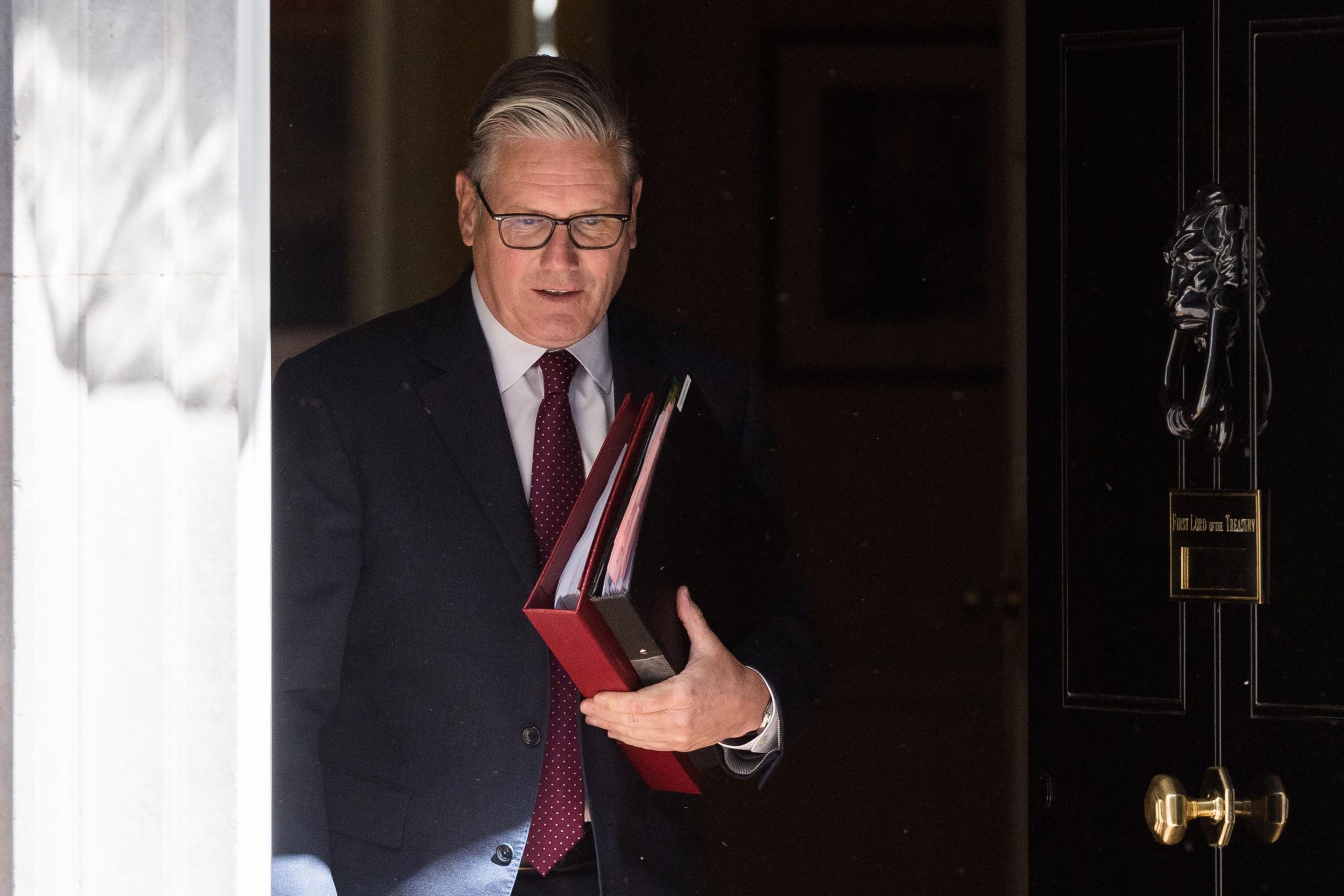
UK Prime Minister Sir Keir Starmer
In a dramatic turn of events on June 22, 2026, UK Prime Minister Sir Keir Starmer announced his resignation, ending a turbulent premiership that lasted less than two years.
In an emotional speech outside 10 Downing Street, a tearful Starmer choked up as he confirmed he would step down as leader of the Labour Party, making him the sixth British Prime Minister to leave office prematurely in the last decade.
Starmer’s rise to power was historic. In July 2024, he led the Labour Party to a landslide victory, securing 411 of 650 parliamentary seats and ending 14 years of Conservative rule. However, the “sunlight of hope” he promised quickly faded as his government struggled to deliver on key pledges.
The prime minister’s downfall was precipitated by a combination of factors: a stagnating economy, controversial policy U-turns, and a series of self-inflicted wounds. His decision to appoint Peter Mandelson as UK ambassador to the US; given Mandelson’s links to convicted sex offender Jeffrey Epstein proved particularly damaging. The controversy forced Starmer to fire Mandelson and severely undermined public trust in his judgment.
The decisive moment came when Andy Burnham, the popular Mayor of Greater Manchester, won a by-election to return to Parliament. Burnham had explicitly framed his campaign as a verdict on Starmer’s leadership, and his victory removed the final obstacle to a leadership challenge.
With over 100 Labour MPs reportedly calling for his resignation and senior cabinet ministers privately urging him to step aside, Starmer conceded defeat. “The question my party is asking now is whether I am best placed to lead us into the next general election,” Starmer said outside Downing Street. “I have heard the answer of my parliamentary party to that question, and I accept that answer with good grace.”
Starmer will remain as caretaker prime minister until his successor is chosen, with a leadership contest expected to conclude before Parliament returns from summer recess in September. Andy Burnham is the overwhelming favorite to take over, and with former rival Wes Streeting now backing him, he may face no serious challenge.
Whoever takes over will inherit a nation still grappling with economic stagnation, rising support for Reform UK, and the ongoing legacy of Brexit, which the UK marks 10 years since voting to leave the EU. As one analyst noted, “A change at the top gives Labour a chance to prevail at the next general election, but only a chance.”
For Starmer, who once restored Labour from the “brink” to power, his legacy will be defined by unfulfilled promise and a premiership that, like so many before him, was cut short by the unforgiving machinery of British politics.