This coordinated action cements a growing global trend, building on the template set by Australia late last year.
UK and UAE Lead Global Charge on Social Media Ban for Children
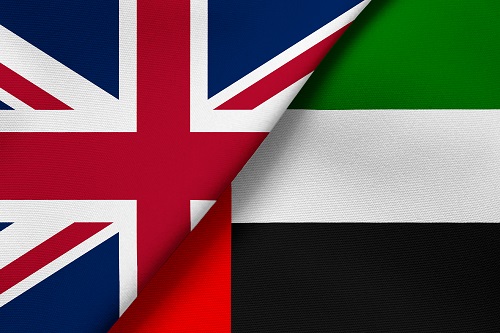
In a landmark move that signals a seismic shift in digital policy, both the United Kingdom and the United Arab Emirates have announced sweeping restrictions on children’s access to social media.
The UK declared on June 15, 2026, that it would ban all under-16s from accessing platforms like TikTok, Instagram, and Snapchat, with the law taking effect in spring 2027. Days later, on June 18, the UAE became the first Arab nation to follow suit, imposing a ban for children under 15.
This coordinated action cements a growing global trend, building on the template set by Australia late last year. The question is no longer if governments will restrict children’s online access, but how far they are willing to go.
Prime Minister Keir Starmer framed the UK policy as an uncompromising stance to “give kids their childhood back,” stating that social media is “making children unhappy” and enabling bullying and harassment. The government’s decision was backed by overwhelming public support: a national consultation received over 116,000 responses, with 90% of parents backing a ban for under-16s.
The ban will apply to major user-to-user platforms, including TikTok, Instagram, Facebook, Snapchat, X, and YouTube. However, messaging apps such as WhatsApp and Signal are exempt, same as YouTube Kids and online gaming platforms like Roblox.
Notably, the UK is going further than a simple blanket ban. For 16- and 17-year-olds, harmful features such as livestreaming and the ability for strangers to contact them will be switched off by default. The government is also consulting on “infinite scroll” curfews for under-18s to combat addictive design.
UK & UAE
The UAE: A Tiered Approach
The UAE’s Cabinet resolution takes a slightly different approach. It bans children under 15 entirely from creating or using personal accounts on social media. For those aged 15 to 16, access is permitted but with stringent safeguards. These include age-appropriate content controls, restrictions on interacting with unknown users, screen time management, and parental monitoring tools.
The regulations apply to all social media platforms operating in the UAE, requiring them to implement strict age verification mechanisms; such as digital ID and AI technology and disable accounts created by underage users. Platforms have been granted a 12-month transition period to comply.
Naturally, the tech industry has voiced significant opposition. Meta warned that a “ban risks isolating teens from online communities and information, driving them to unregulated alternatives that lack built-in protection.” YouTube echoed this sentiment, arguing that blanket bans push children toward “anonymous, less-safe services.”
However, governments are shifting liability onto the platforms. Enforcement will target tech companies with heavy fines, rather than criminalizing children. The UK and UAE are adopting a similar enforcement model to Australia, where the eSafety Commissioner has already ordered the closure of millions of underage accounts. Australia’s experience shows that while compliance isn’t perfect, over 60% of some surveyed teens still retained access; the bans significantly reduce account ownership.
As the UK moves toward spring 2027 and the UAE begins its transition period, the world is watching. These nations are effectively serving as a regulatory lab, testing whether legislation can truly build a digital dike against the tide of social media’s influence on youth.