This “dollar-for-dollar, rate-for-rate” approach ensures the financial impact on U.S. exporters equals the burden placed on Canadian industries.
Canada Strikes Back:
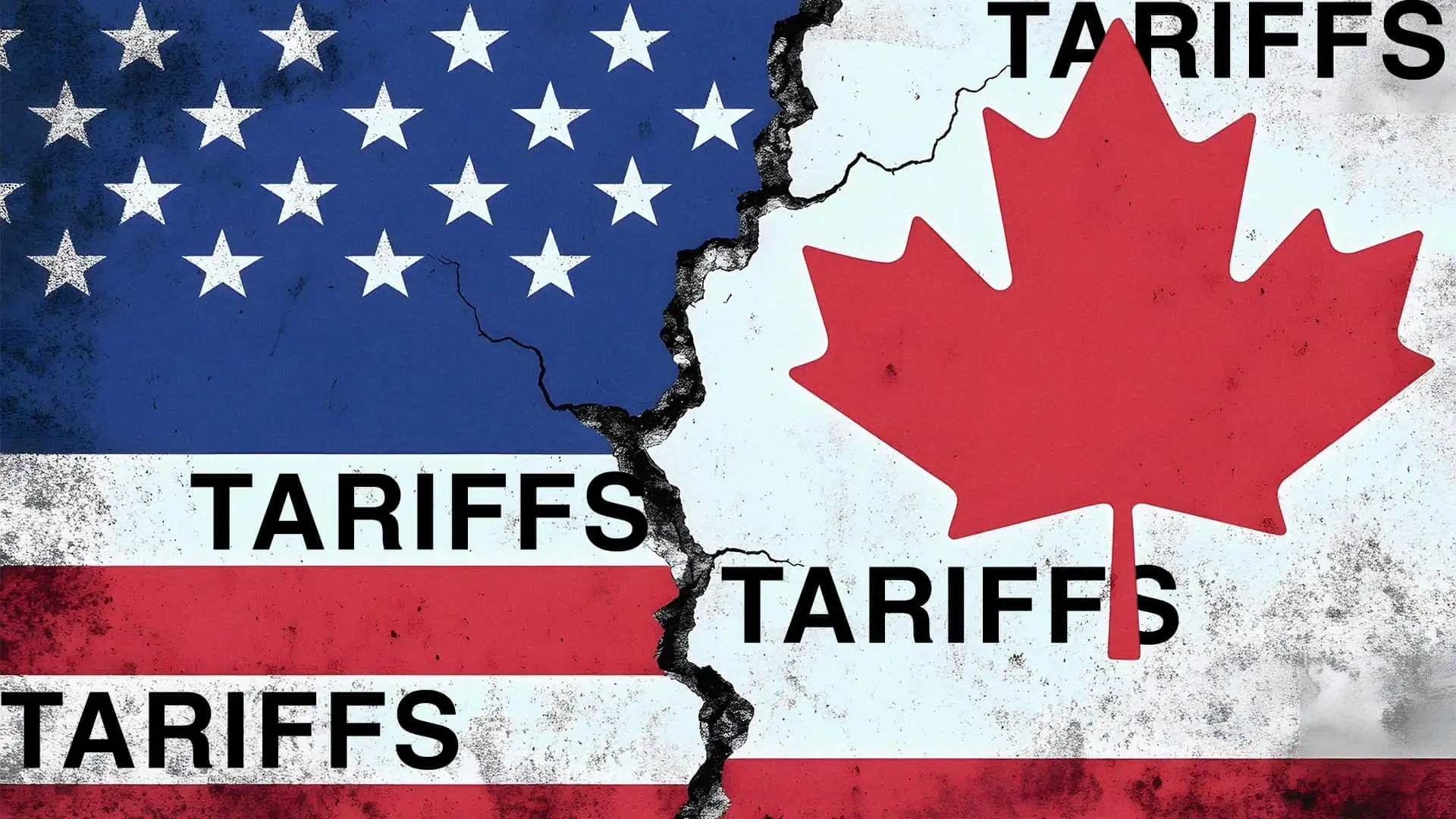
Dollar-for-Dollar Tariffs on $27.6B in U.S. Goods
In a decisive escalation of the North American trade war, the Canadian government announced Tuesday 25th of August, it will impose retaliatory tariffs of 15, 25, and 50 per cent on approximately $27.6 billion worth of U.S. imports, effective September 8, 2026.
The move comes in direct response to U.S. President Donald Trump’s decision to impose 50 per cent tariffs on $27.6 billion in Canadian goods under Section 338 of the Tariff Act of 1930, which took effect August 22 following the collapse of bilateral trade negotiations.
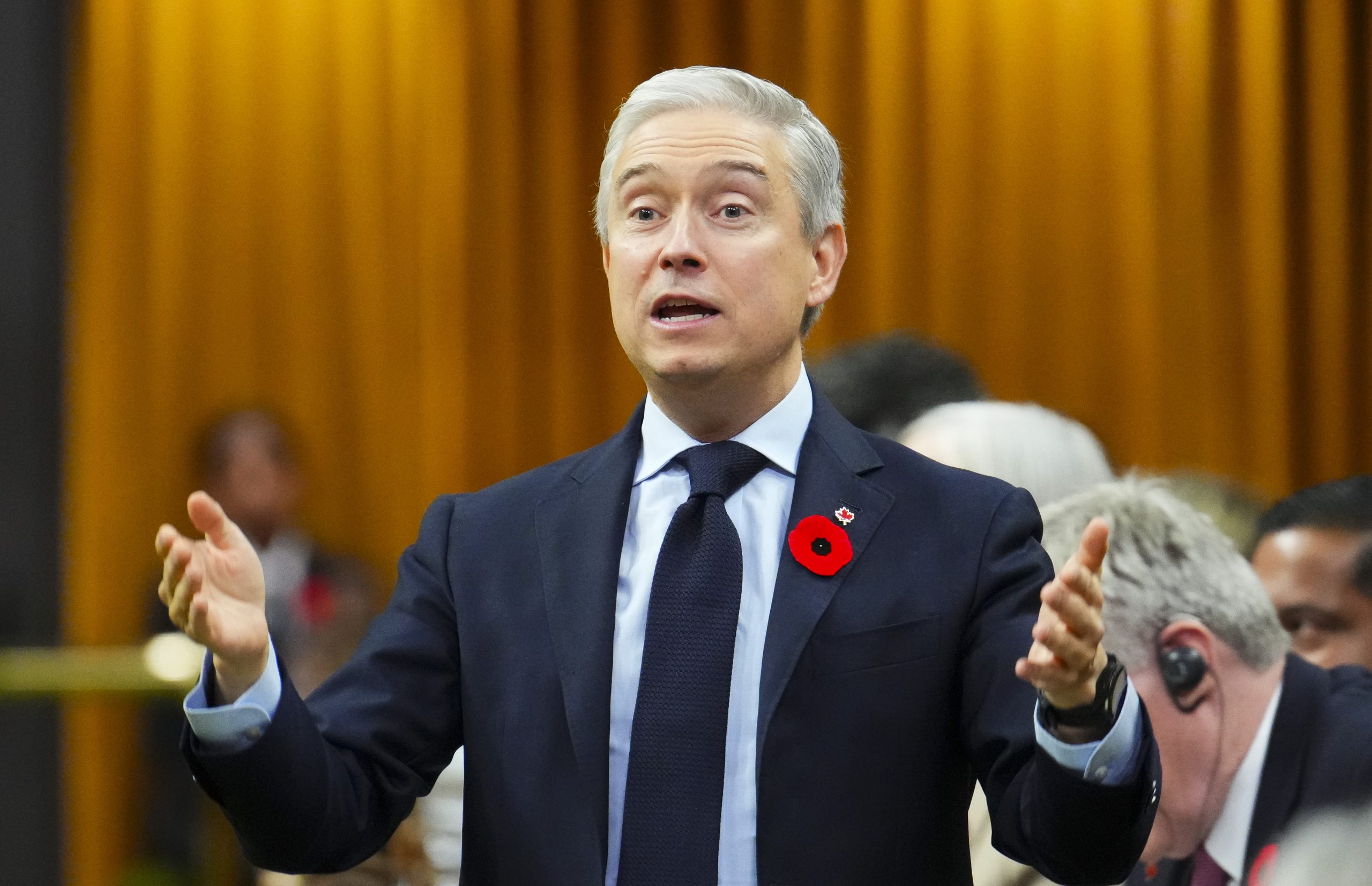
“Today, I’m announcing that Canada will match the US tariffs dollar for dollar, rate for rate,” Finance Minister François-Philippe Champagne told reporters in Ottawa.
Canada: Finance and National Revenue Minister Francois-Philippe Champagne
The counter-tariffs will apply to roughly 700 product categories originally targeted by U.S. Section 338 and Section 232 tariffs, with the Canadian rate on each product matching the corresponding U.S. levy. This “dollar-for-dollar, rate-for-rate” approach ensures the financial impact on U.S. exporters equals the burden placed on Canadian industries.
The tariffs are structured in three tiers:
- 50 per cent: U.S. steel and aluminum products (previously subject to 25 per cent duties), plus furniture, clothing, smartphones, cosmetics, perfume, honey, milk, plywood, paper products, doors, and window frames
- 25 per cent: Appliances, dairy products (including cheese and curd), fish and seafood, carpets, textiles, and certain steel and aluminum derivatives
- 15 per cent: Electric equipment, tools, and a smaller category of goods
Sectors most affected include steel, dairy, appliances, agricultural equipment, pulp and paper, and electronics. Notably, the package does not include energy-related countermeasures, and Canada’s existing tariffs on U.S. automobiles will remain in place.
The tariffs follow the abrupt suspension of Canada-U.S. trade negotiations last Friday. Prime Minister Mark Carney withdrew Canadian negotiators from Washington, citing last-minute U.S. demands that he called unacceptable and an infringement on Canadian sovereignty.
Carney said the demands included allowing the U.S. a say in trade agreements Canada could sign with other countries and objections involving the use of the French language in bilingual Canada claims the White House has denied.
Alongside the counter-tariffs, Ottawa announced a $7.5 billion aid package to support Canadian workers and businesses impacted by the trade dispute, building on nearly $25 billion in assistance already provided since U.S. tariffs were first introduced.
The package includes:
- $1.5 billion for the Regional Tariff Response Initiative to help small and medium-sized enterprises
- $500 million in new liquidity support through the Business Development Bank of Canada
- $2 billion through the Canada Strong Diversification Fund for tariff-affected businesses with investment projects
- $3.5 billion for worker support, including enhanced employment insurance, workplace training, and a new Worker Retention and Retraining program
“We are going to stand up for you, for Canada,” Champagne said, adding that the counter-tariffs are designed “primarily to provide protection for Canadian industry impacted by U.S. tariffs and allow them to compete against US products in the Canadian market”.
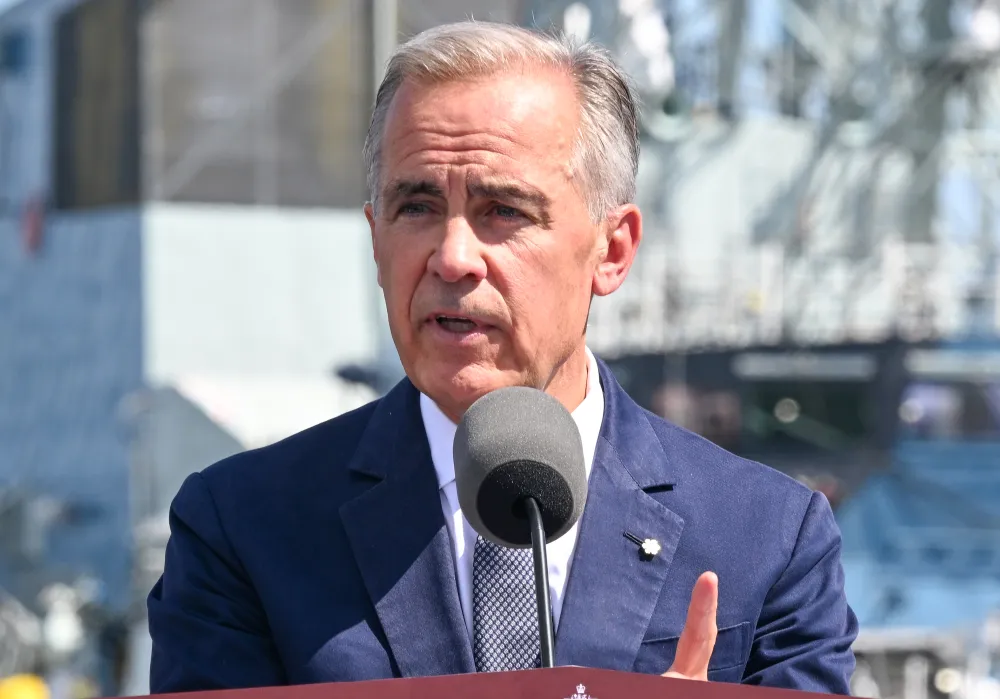
Prime Minister Mark Carney
Analysts warn of further tit-for-tat escalation. Trump has already pledged to double tariffs on Canadian autos to 50% starting in 2027. Meanwhile, Ontario Premier Doug Ford has threatened an electricity export surcharge in response.
The new U.S. tariffs do not exempt products under the USMCA free trade agreement and raise the U.S. effective tariff rate on Canadian exports to 6.9% from 5.1%, according to Oxford Economics estimates.
Despite the heated rhetoric, Canada-U.S. Trade Minister Dominic LeBlanc indicated the door remains open. “Our preference was to find a deal that benefits both countries, we still believe that’s possible, but in the meantime, we’re not waiting by the phone. We’re going to do the work that’s necessary to protect our own economy,” he said.
The counter-tariffs take effect at 12:01 a.m. on September 8, 2026, and do not apply to U.S. goods already in transit to Canada on that date.
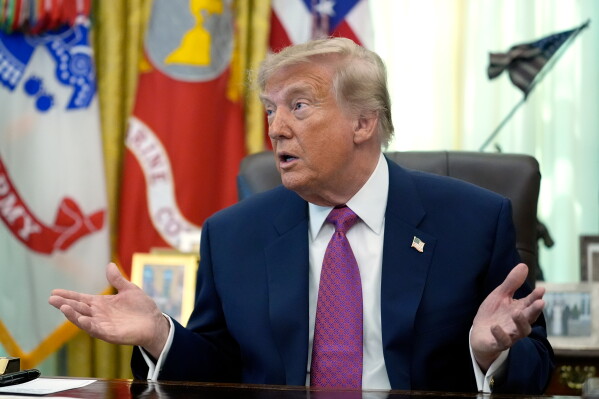
U.S. President Donald Trump