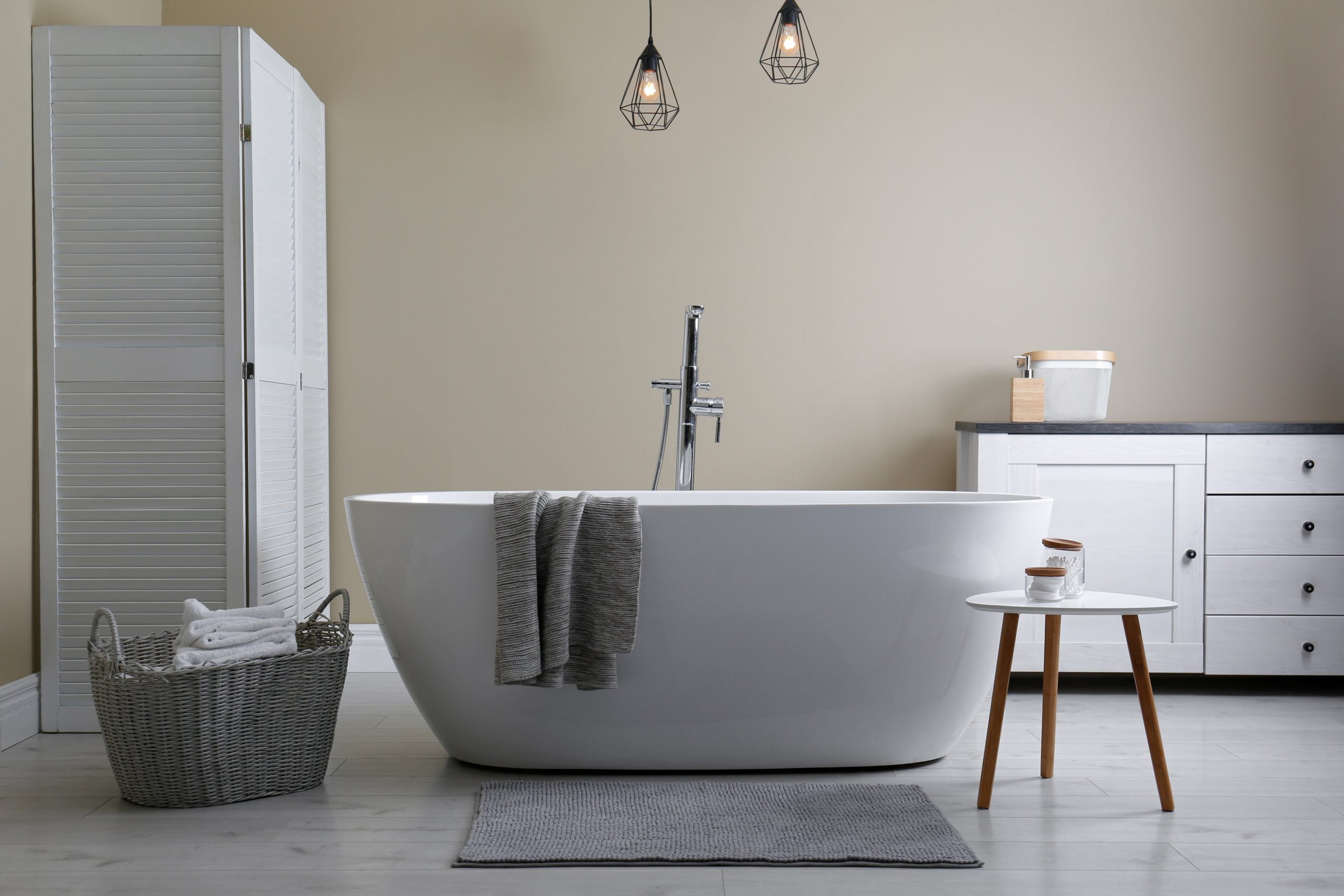
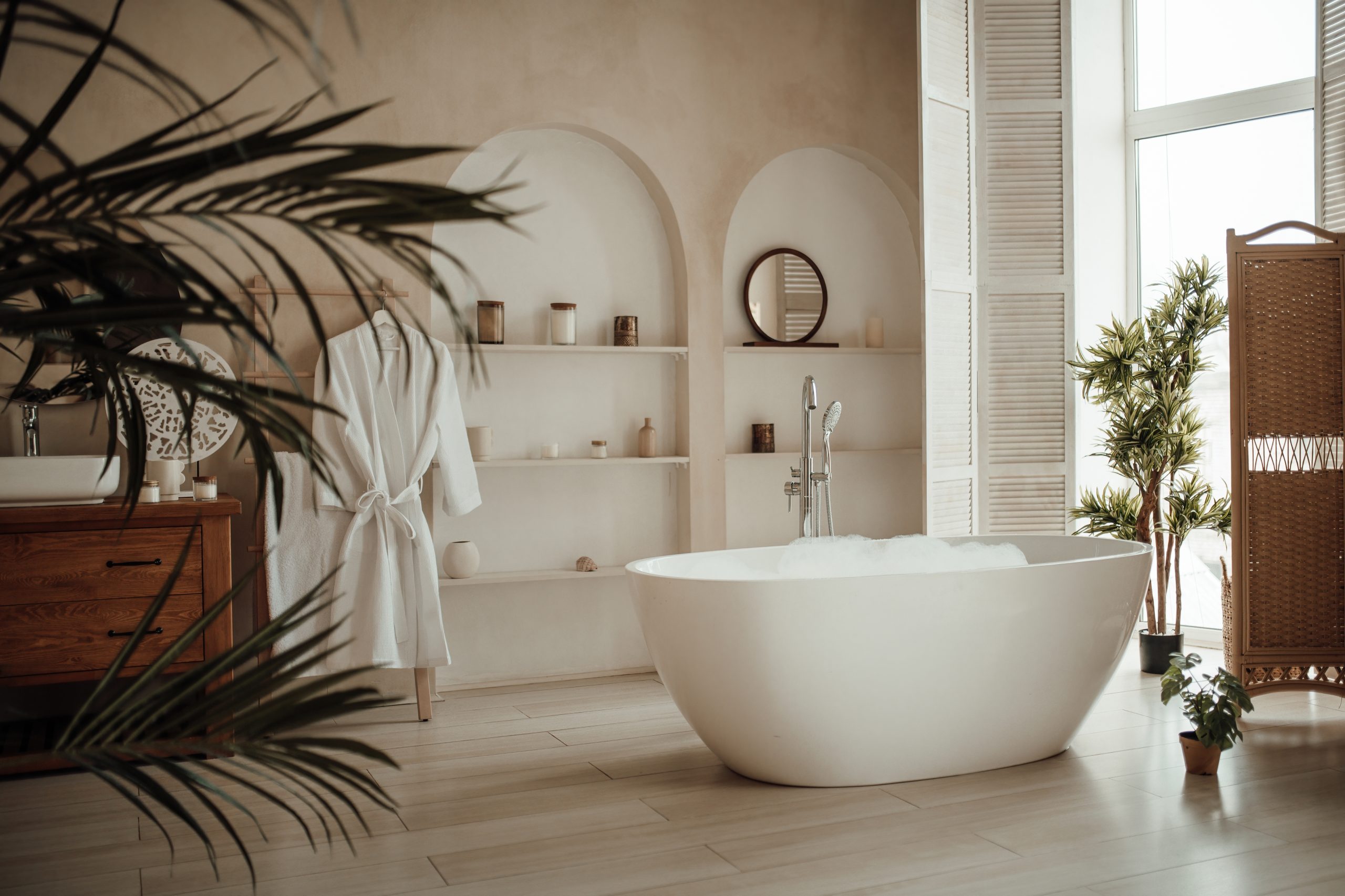
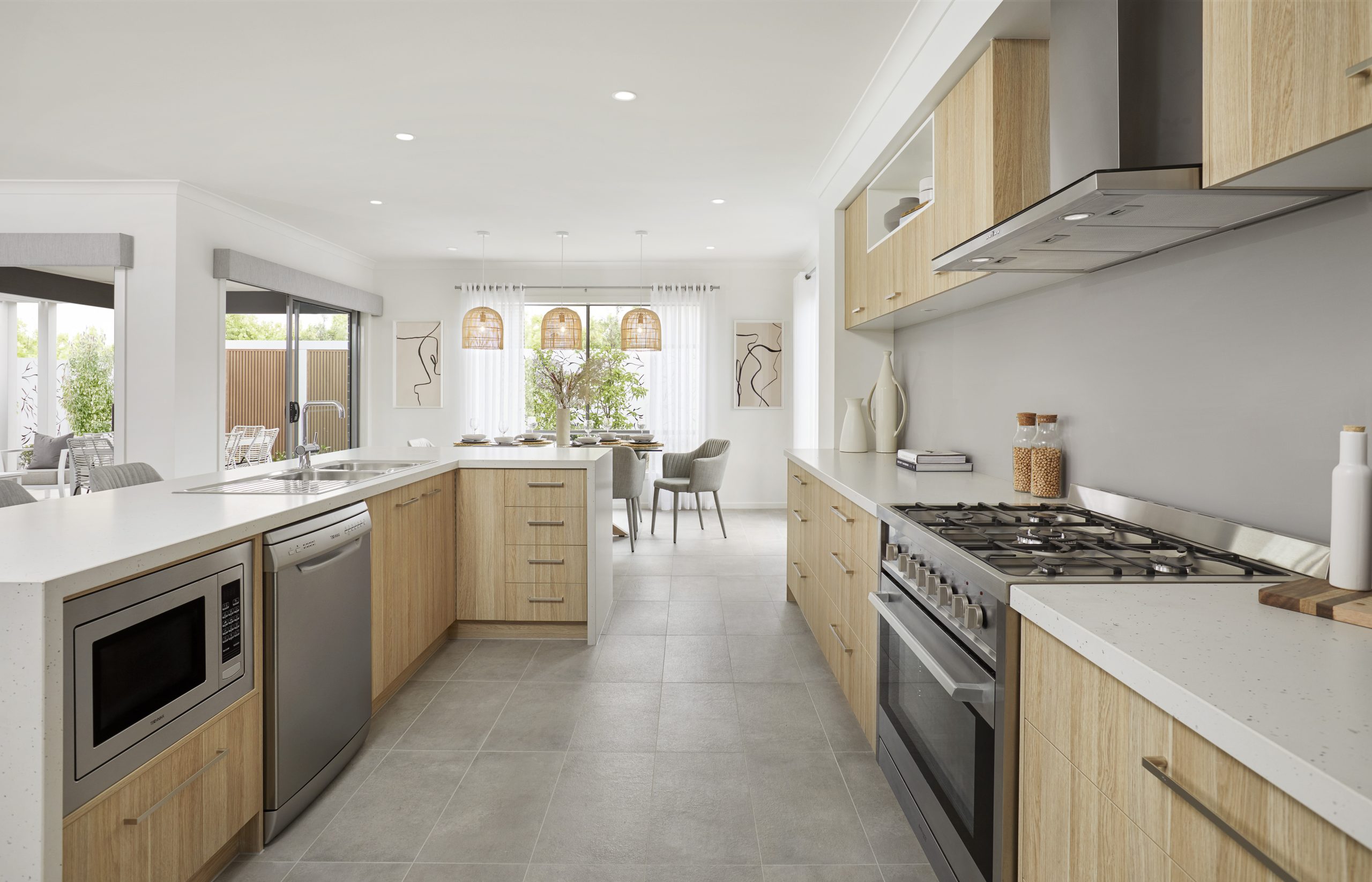
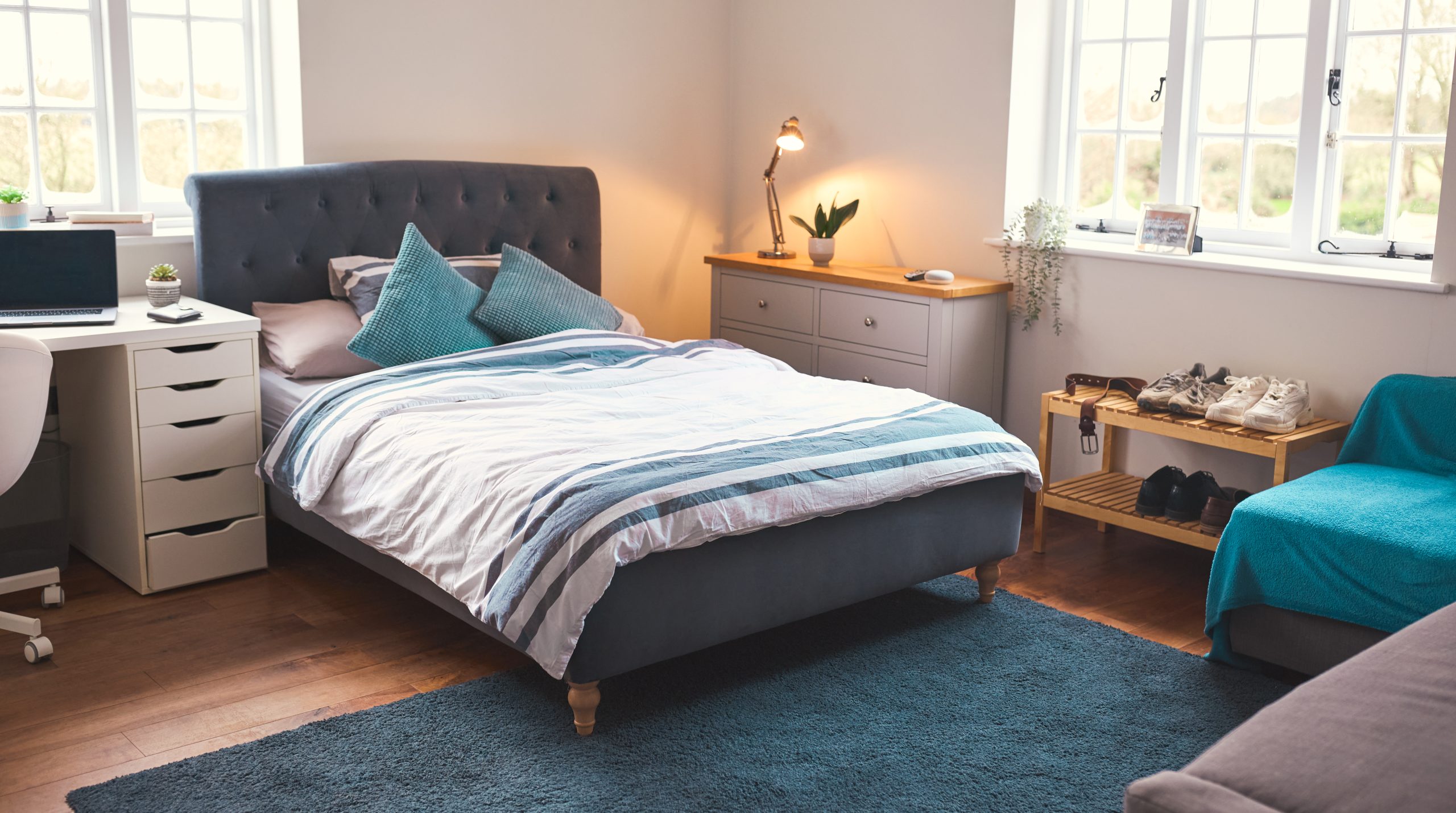
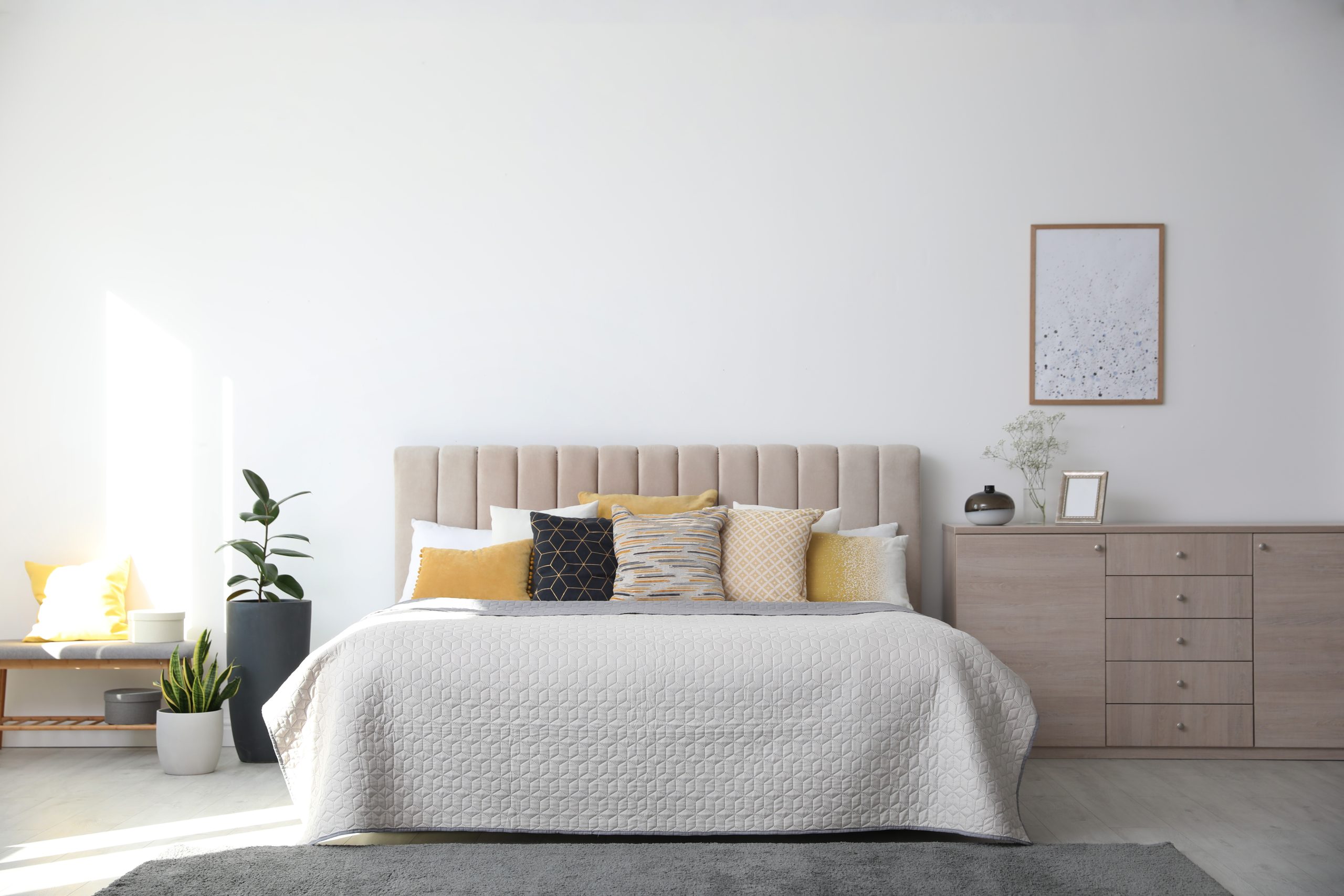
Neutral tones, creamy whites, warm beiges, soft greys, and earthy taupes; form the backbone of modern interiors.
The Art of Modern Home Interior Design
In today’s fast-paced world, our homes have become sanctuaries, places where we recharge, connect, and find clarity. Modern interior design, at its core, champions this very idea: it strips away the unnecessary and celebrates the essentials. But far from being cold or sterile, today’s modern aesthetic is warm, inviting, and deeply personal.
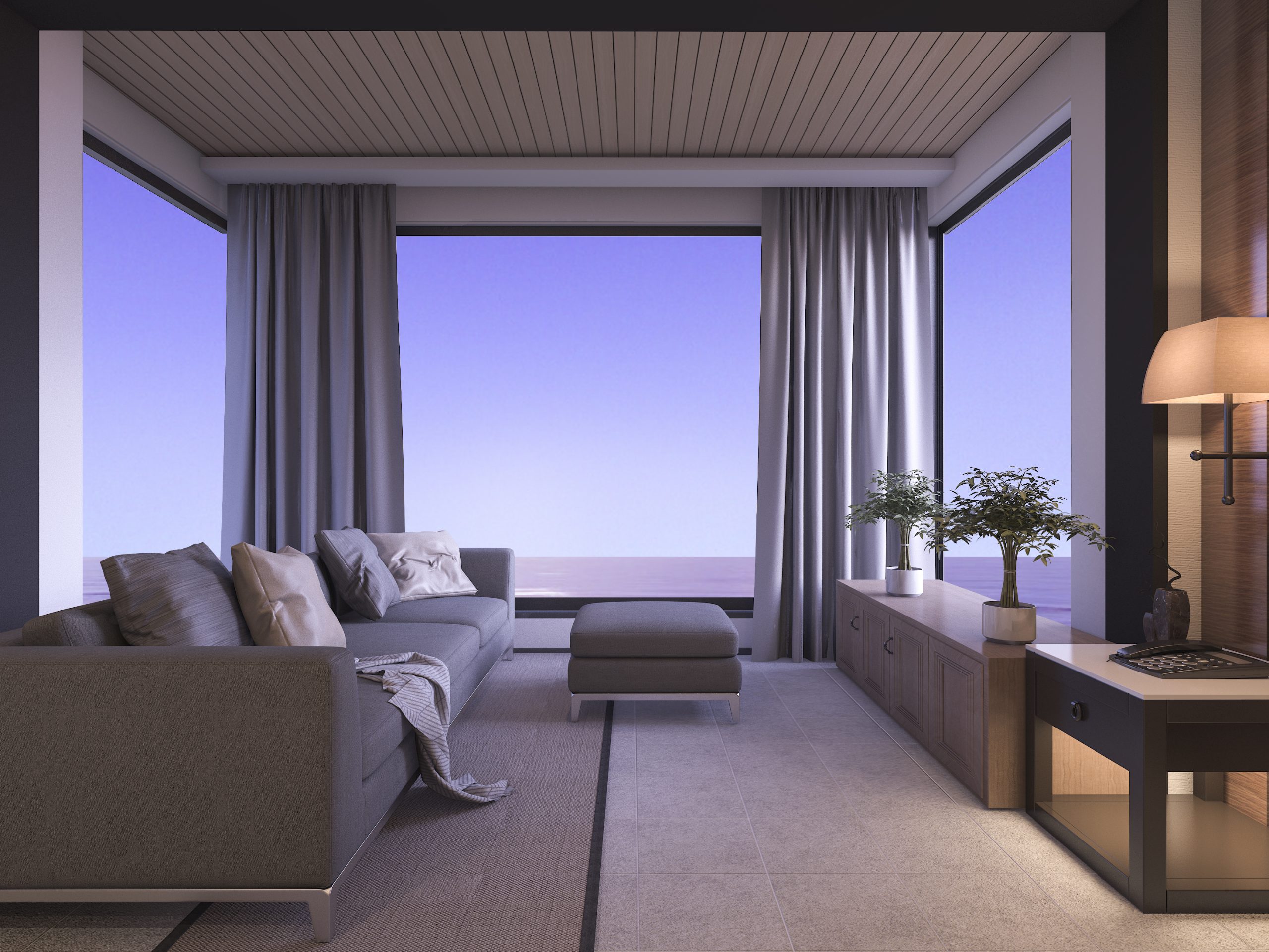
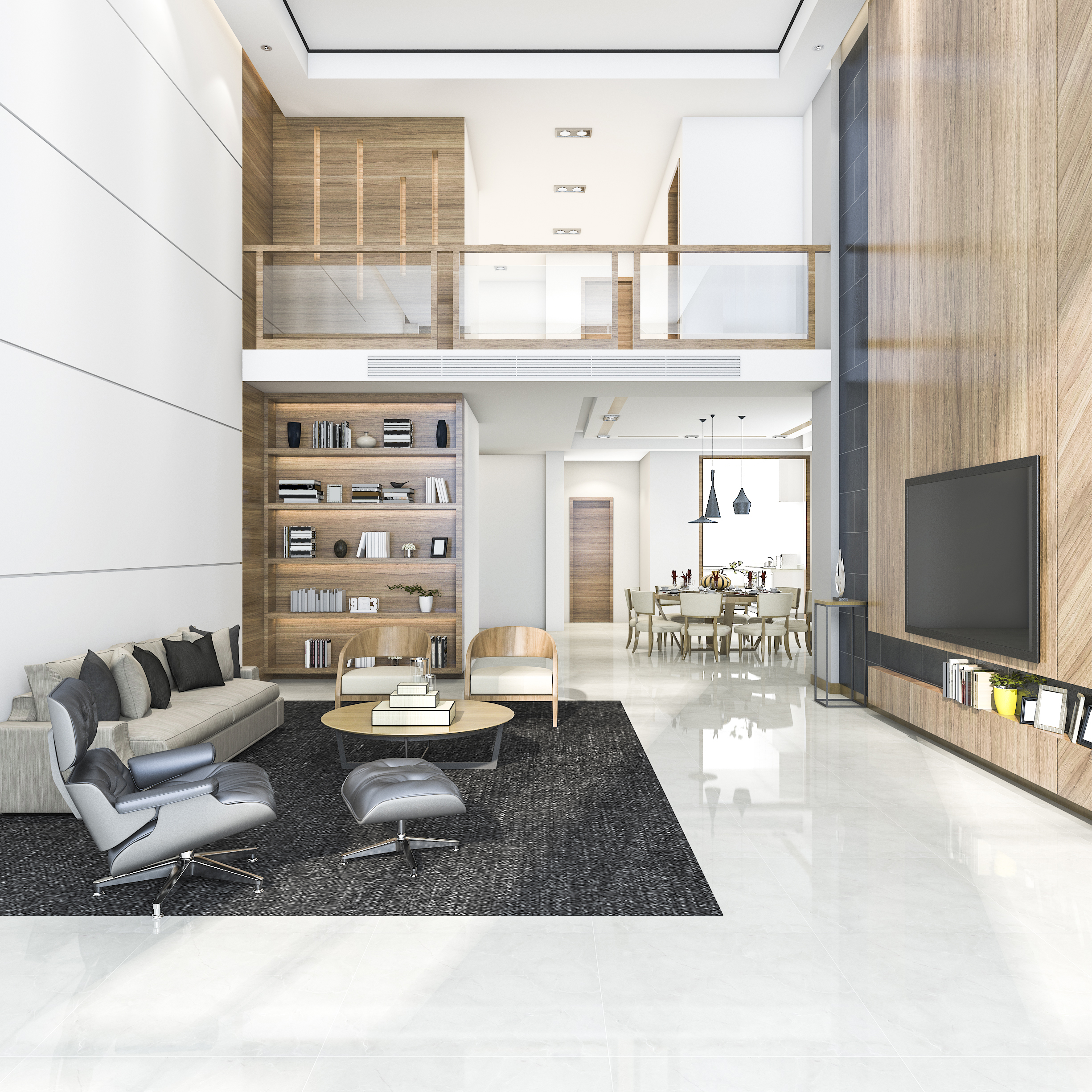
The hallmark of modern design is its commitment to clean, uncluttered lines. Think of floor-to-ceiling windows that flood rooms with natural light, open-plan layouts that encourage fluid movement, and furniture with sleek, tapered legs that create a sense of airiness. Gone are the days of heavy drapery and ornate carvings; instead, the mantra is “less is more,” but with a soulful twist.
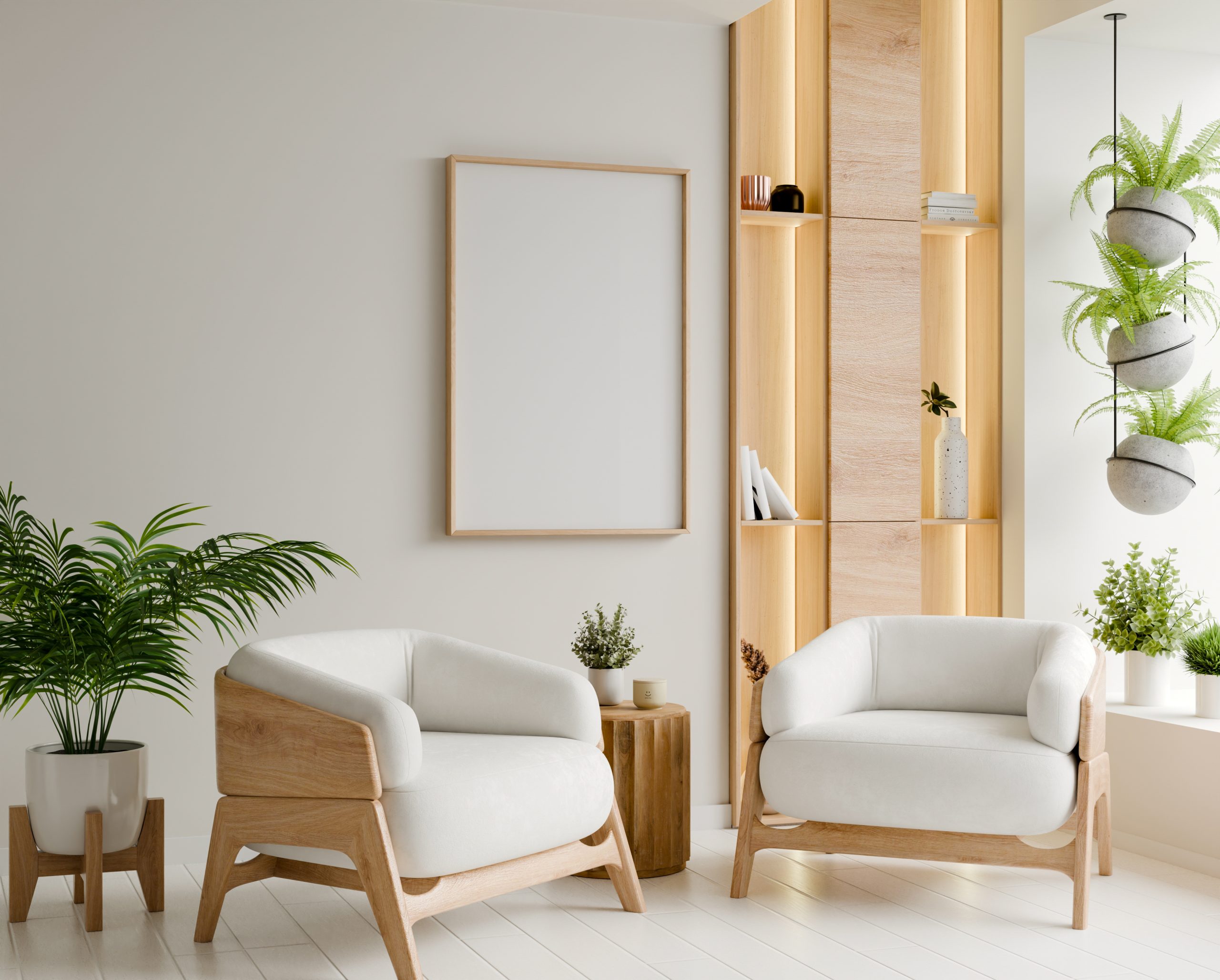
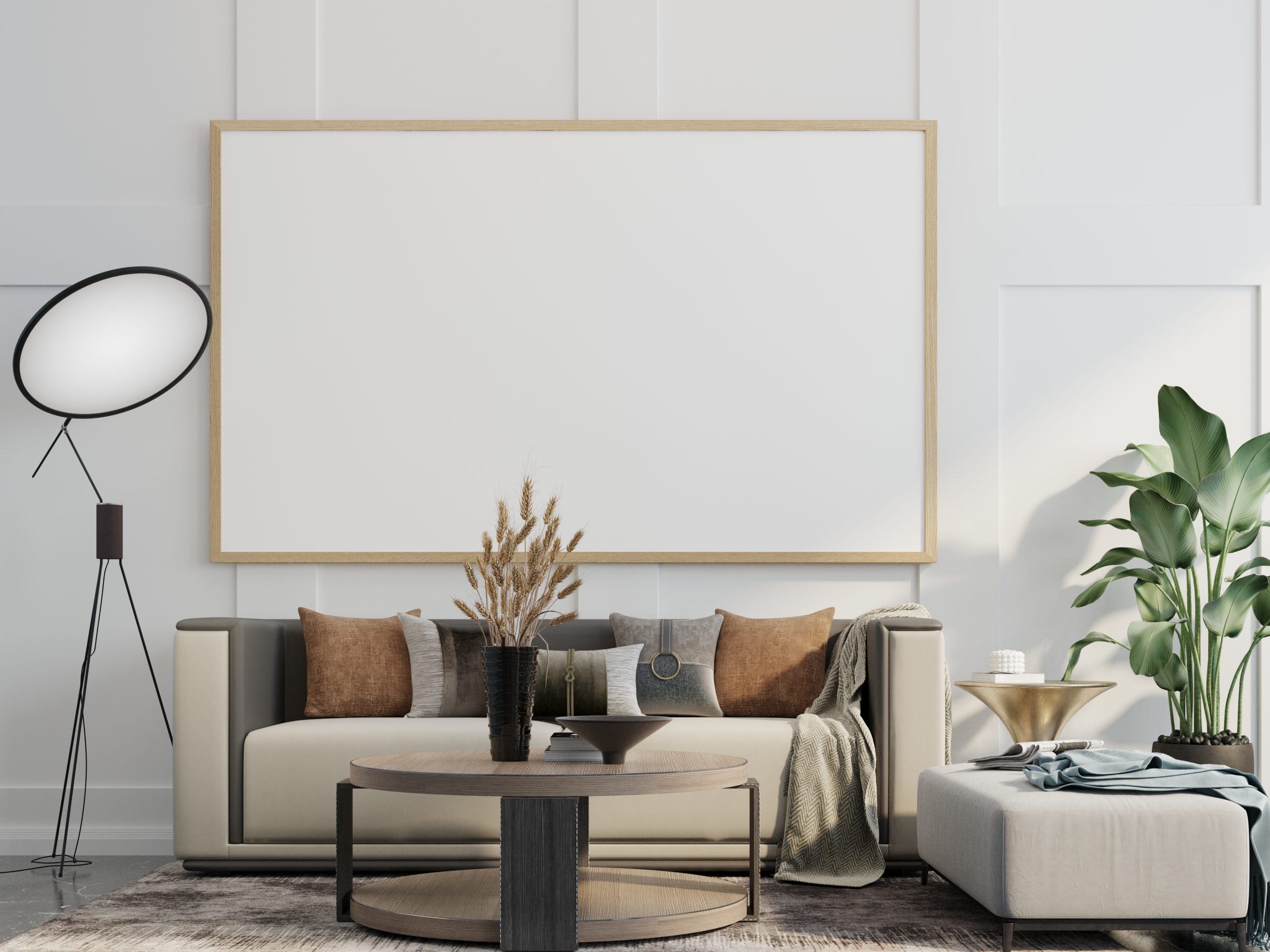
Neutral tones, creamy whites, warm beiges, soft greys, and earthy taupes; form the backbone of modern interiors. These hues provide a serene backdrop, allowing textures and materials to shine.
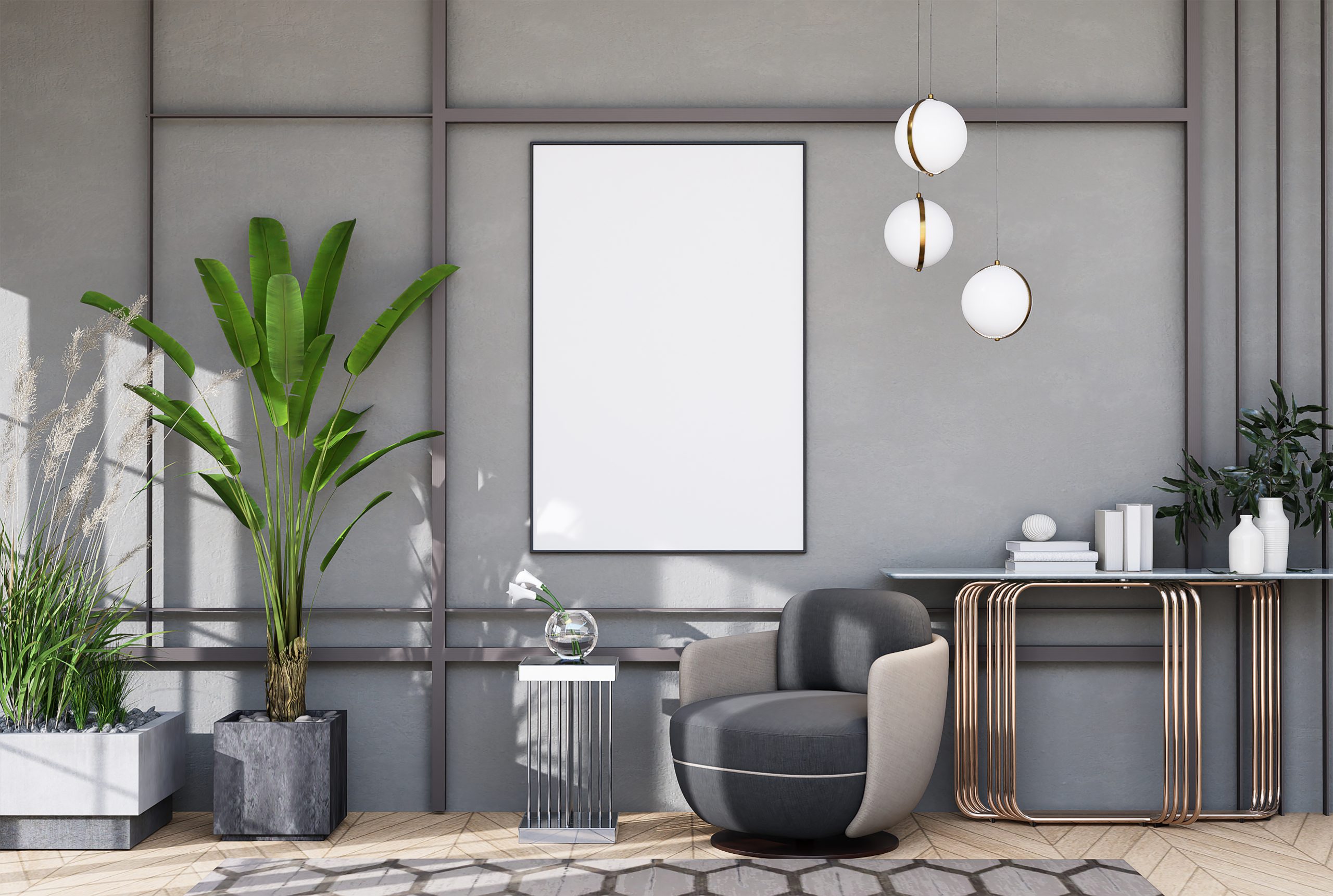
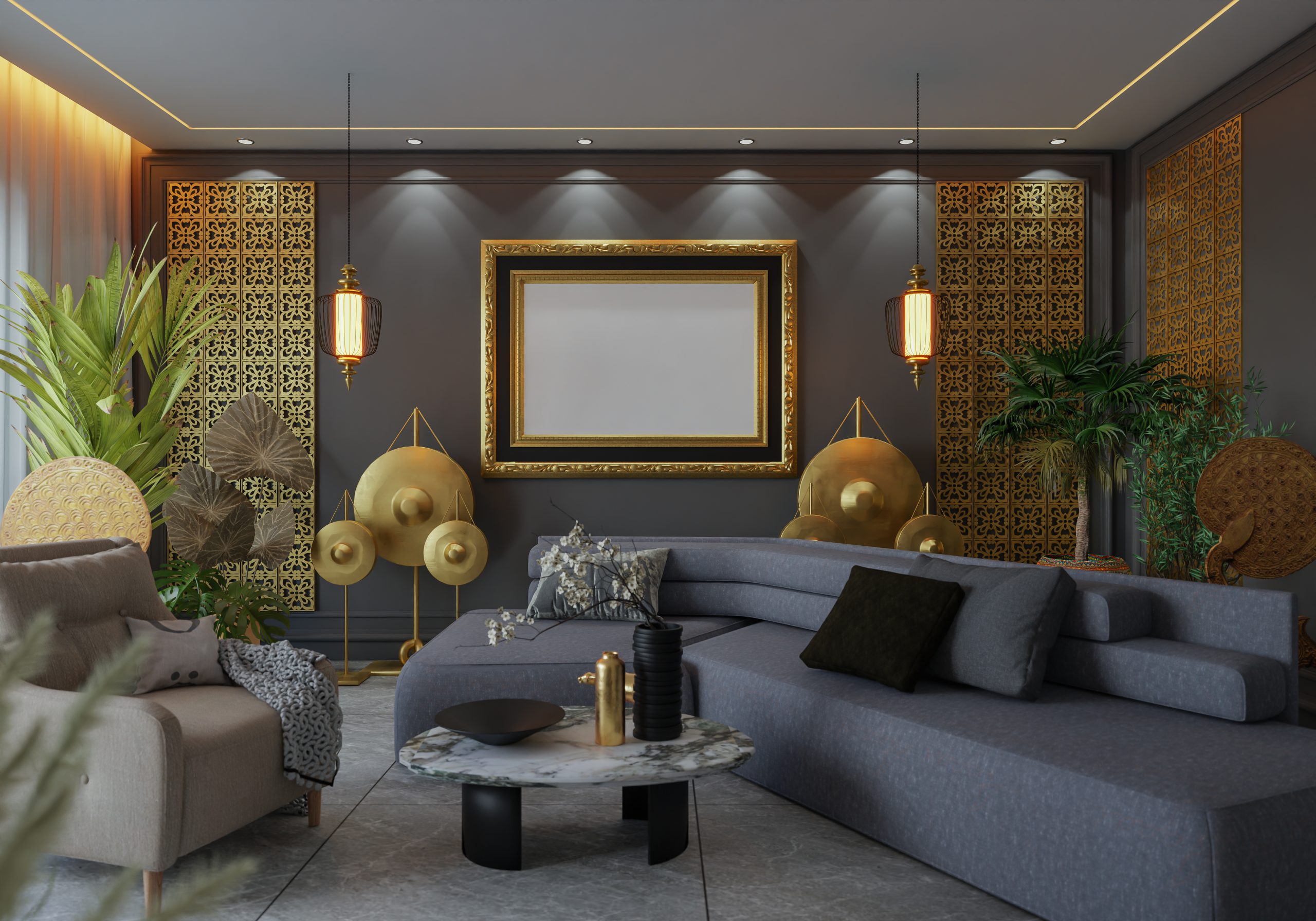
However, contemporary design isn’t afraid of a dramatic pop. A charcoal accent wall, a bold piece of abstract art, or a single vibrant armchair can inject personality without overwhelming the senses.
Lounge
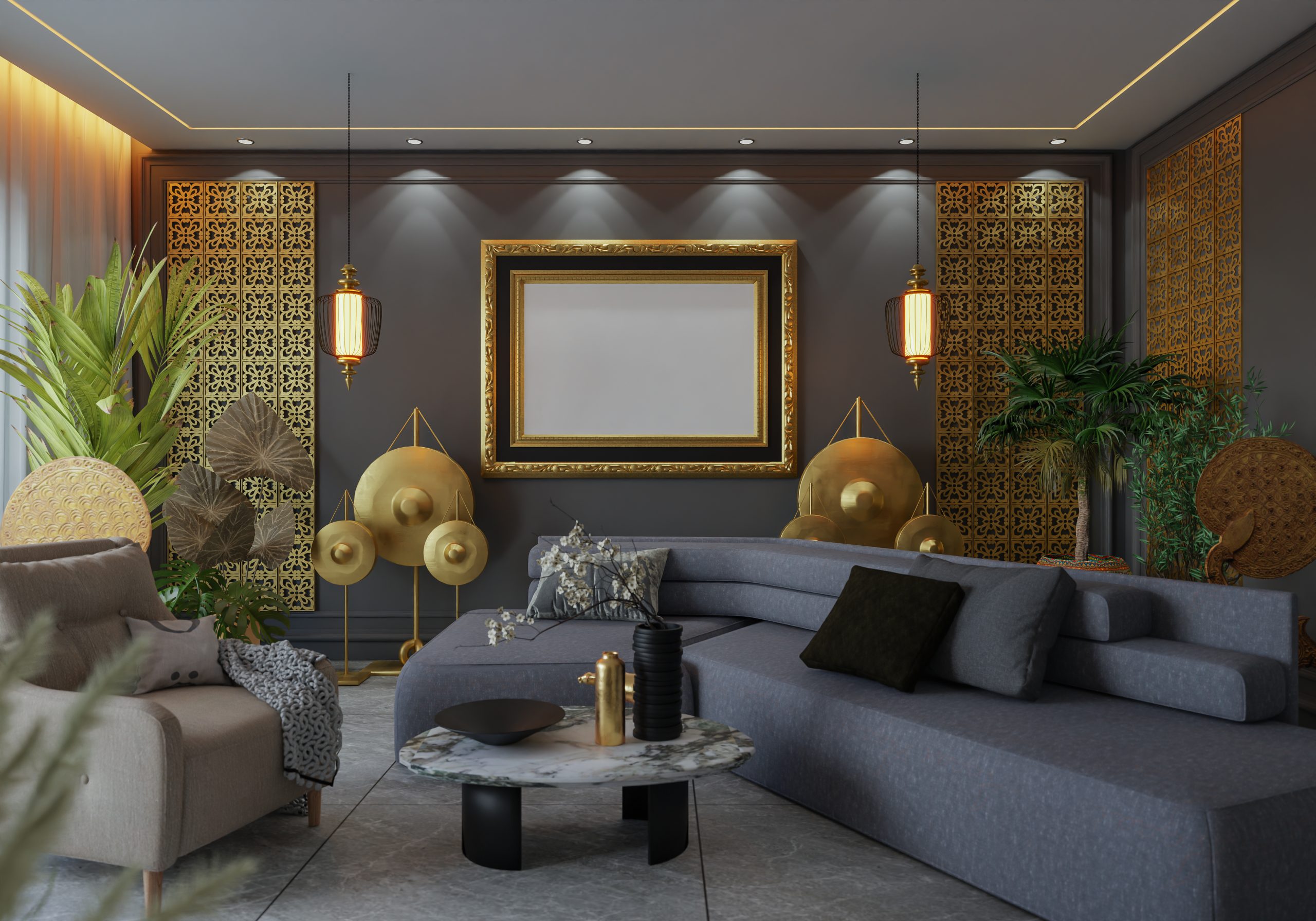
Where minimalism can sometimes feel flat, modern design thrives on tactile richness. Imagine running your hand over a linen-upholstered sofa, a chunky wool rug underfoot, or the cool, polished surface of a marble coffee table. Designers are masterfully blending natural materials; wood, stone, rattan, and leather with industrial elements like metal and glass. This contrast creates visual interest and a welcoming, layered feel.
Every piece in a modern home serves a purpose, yet it must also be beautiful. Multi-functional furniture is a star player: storage cabinets, extendable dining tables, and shelving that doubles as room dividers. The goal is a space that works for you, not against you. Smart-home technology, from automated lighting to hidden charging stations, is seamlessly integrated so it enhances life without cluttering the eye.
Bathroom, Kitchen, and Bedroom
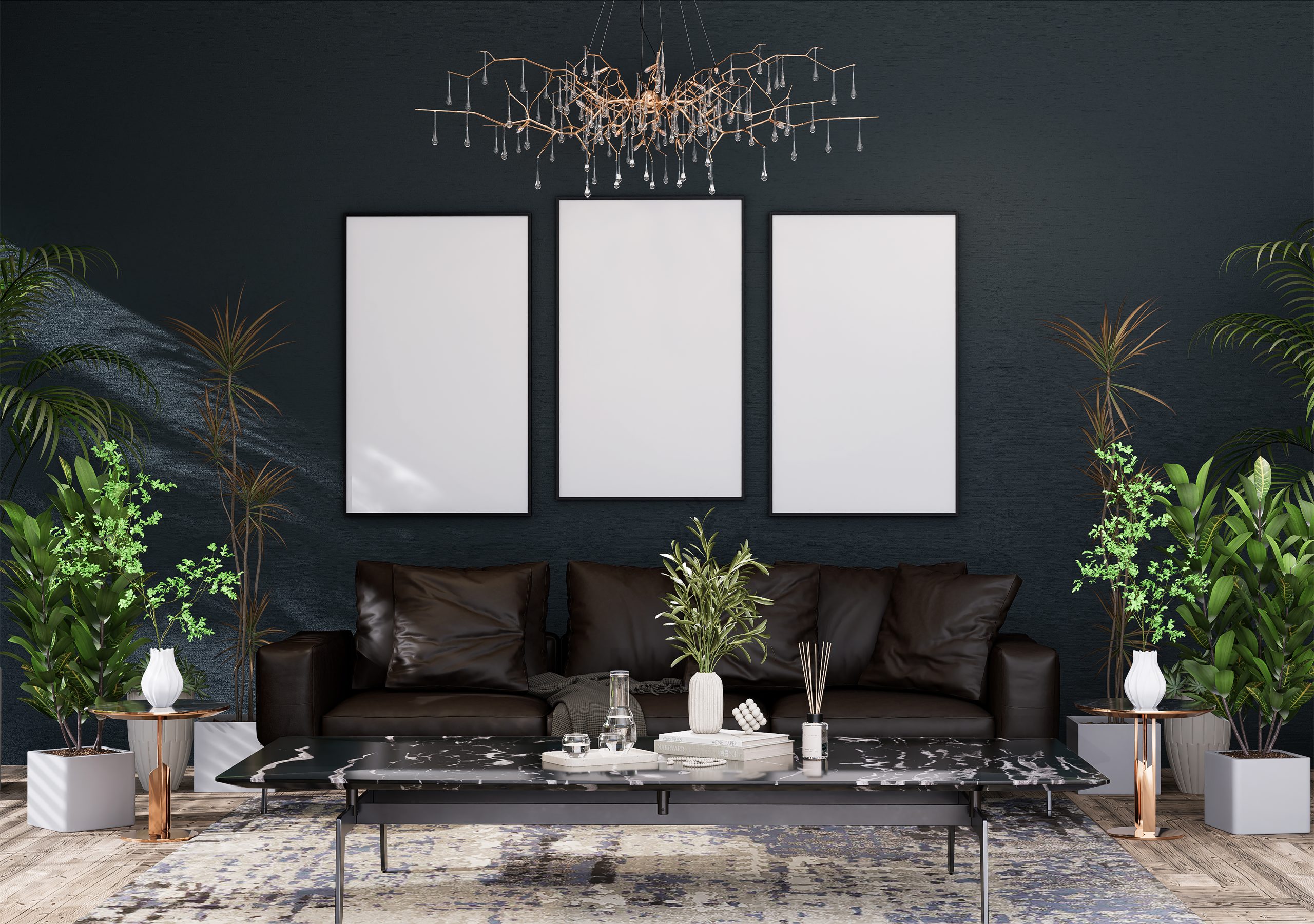
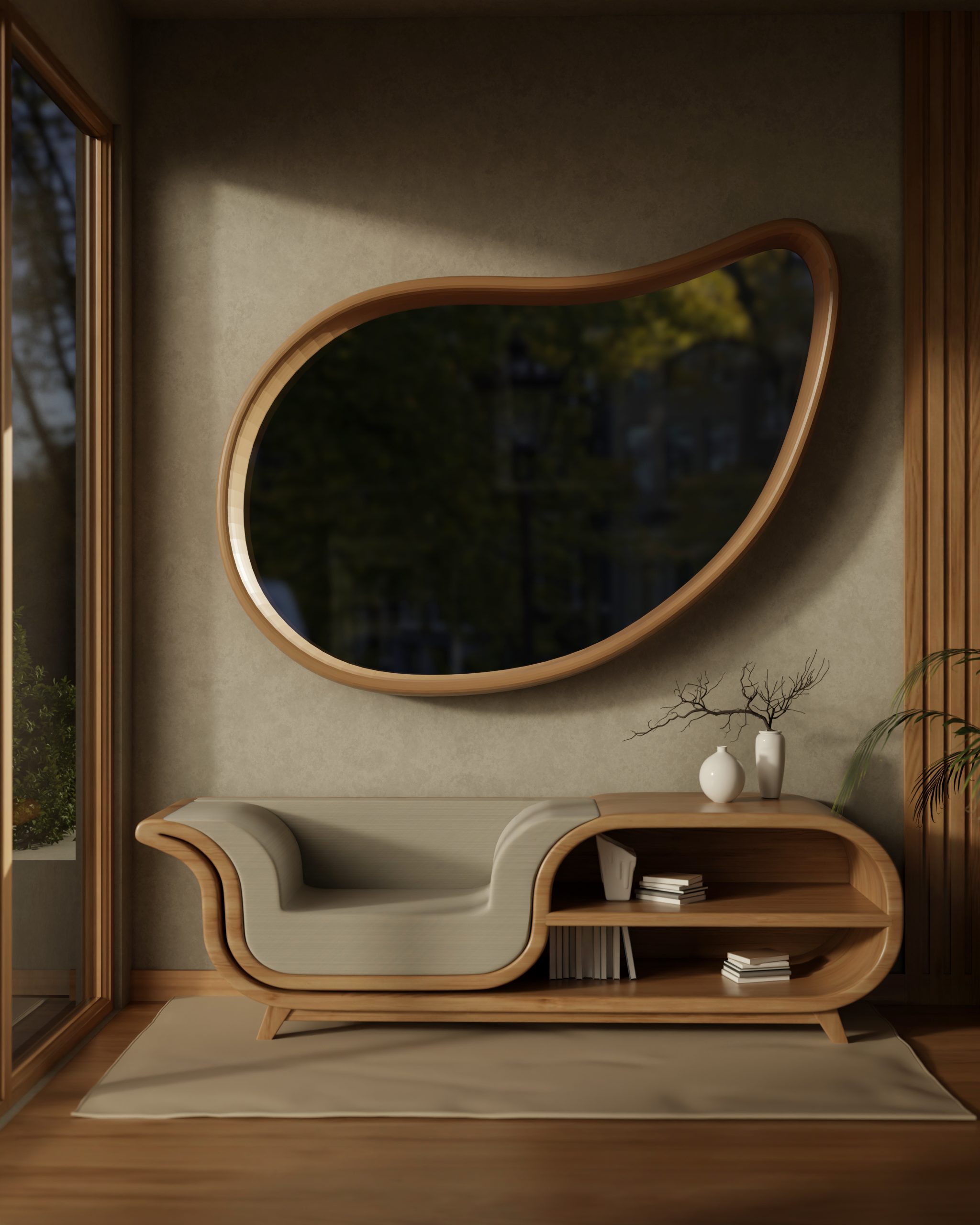
Biophilic design: the practice of connecting interior spaces with nature tends to be a defining trend. Large windows frame garden views, indoor plants purify the air and add life, and organic shapes (curved sofas, oval mirrors) soften the geometry of the room. This connection to nature reduces stress and makes a house feel like a true home.
Ultimately, modern interior design is not a rigid rulebook; it’s a flexible philosophy. It’s about curating spaces that reflect your lifestyle, highlight your favorite possessions, and give you room to breathe. Start by editing out what doesn’t serve you, invest in quality over quantity, and don’t forget to add a touch of your own story, whether through family photos, travel souvenirs, or a beloved collection.
In a world that never stops, your home should be your pause. Modern design offers the blueprint, now go ahead and make it yours.