This World Cup became a lightning rod for accusations of political interference and commercial excess.
The Lost Pride of the FIFA World Cup
Why Fans Are Losing Faith in Football’s Greatest Stage
For generations, the FIFA World Cup stood as football’s sacred cathedral; a tournament where the sport’s purity transcended politics, money, and spectacle. The 2026 edition, co-hosted by the United States, Canada, and Mexico, was supposed to be a celebration of expansion and unity. Instead, it may be remembered as the moment many fans lost faith in the beautiful game’s governing body.
From mandatory hydration breaks that split matches into four quarters, to a Super Bowl-style halftime show that shattered the sport’s most fundamental rules, this World Cup has tested the patience of a global fanbase like never before. The question is no longer whether FIFA is commercializing football, but whether there is any pride left to salvage.
Mid-Break Strategy: Turning the Whole Match into Four Quarters
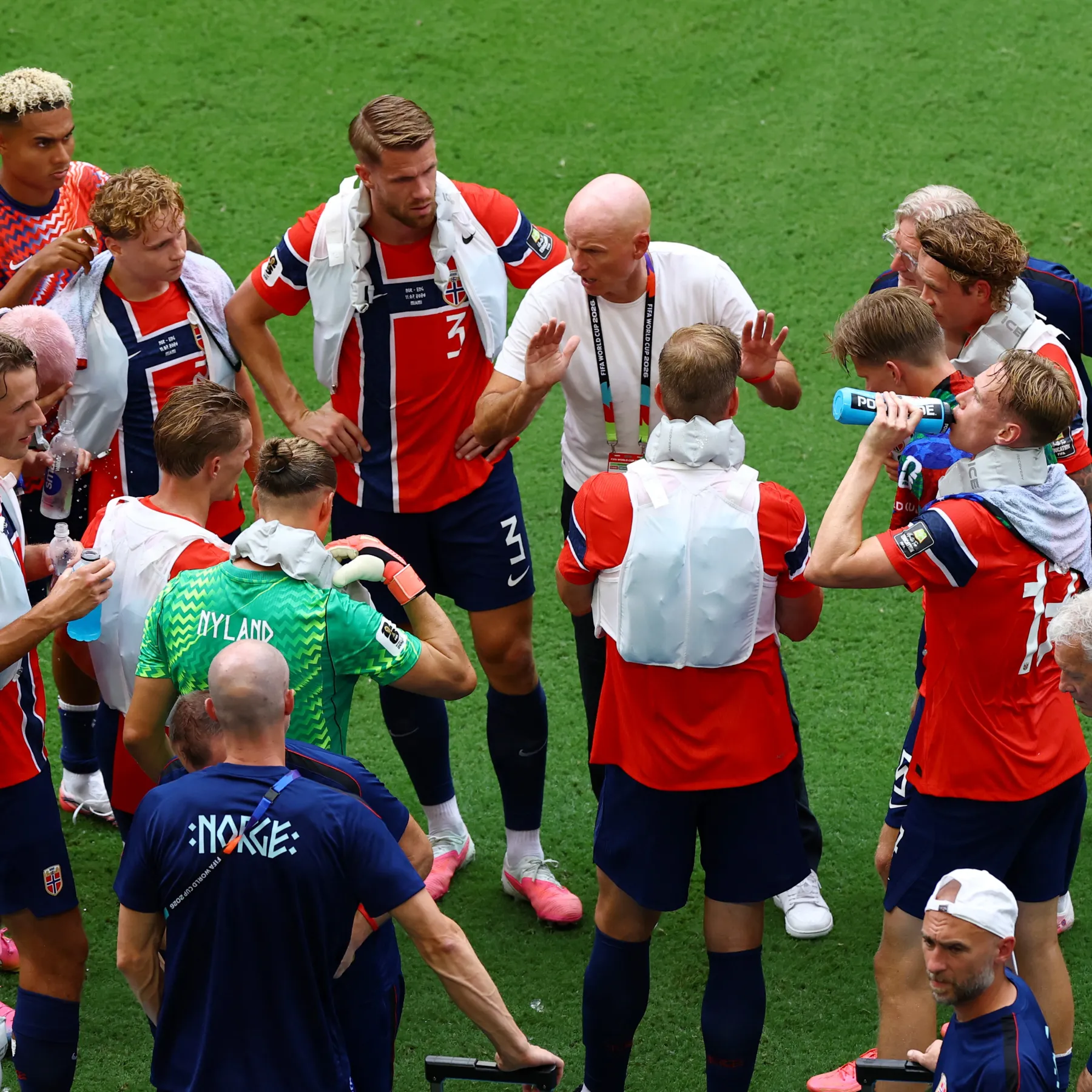
Football has always been defined by its relentless, uninterrupted rhythm. That tradition was dismantled at this year’s tournament with the introduction of mandatory three-minute hydration breaks in every match, regardless of weather conditions.
Previously, such breaks were reserved for extreme heat. This time, referees halted play around the 22nd and 67th minutes of every game; effectively dividing football into four quarters, mirroring the NBA and NFL structure of the host nation.
FIFA defended the move on player welfare grounds, but the skepticism was immediate. Broadcasters used the stoppages to air commercials, and critics pointed out that the breaks offered coaches tactical timeouts that fundamentally altered match outcomes.
As Arsène Wenger, FIFA’s head of global football development, later admitted: “Sometimes people didn’t like it.” England manager Thomas Tuchel was blunter, saying the breaks “interrupt and change the identity of a football match.”
The numbers tell the story: across 104 matches, the hydration breaks added over 10 hours of extra broadcast buffer; time FIFA’s commercial partners happily filled with advertising.
Hydration breaks during a World Cup match
The Half-Time Show
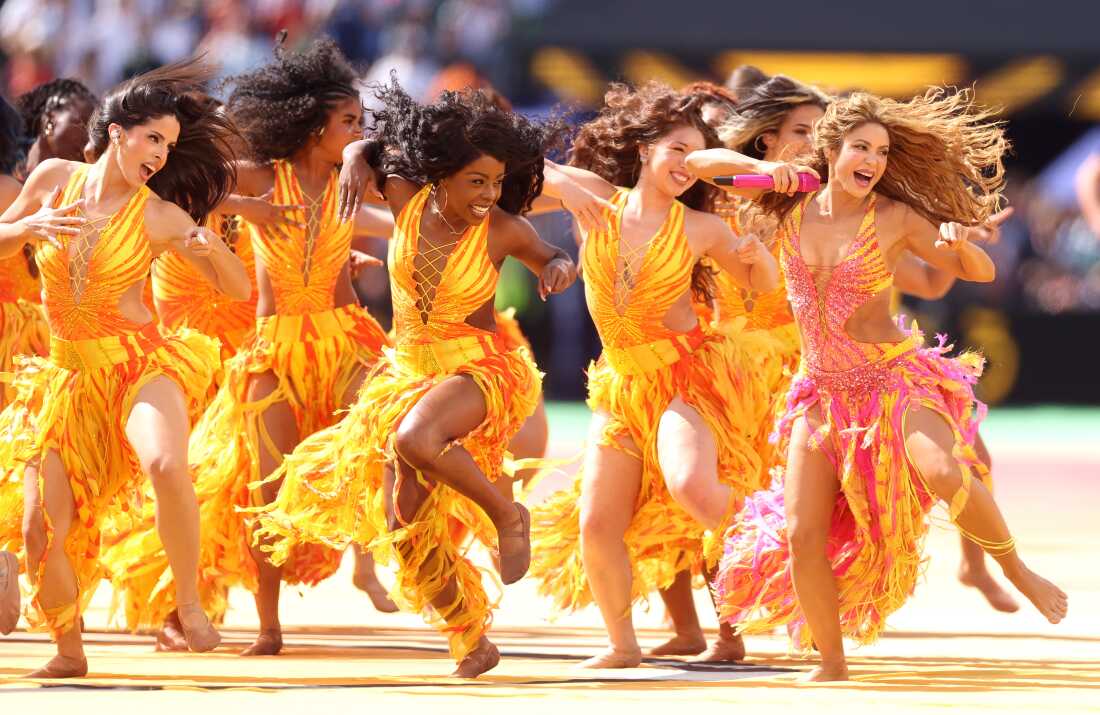
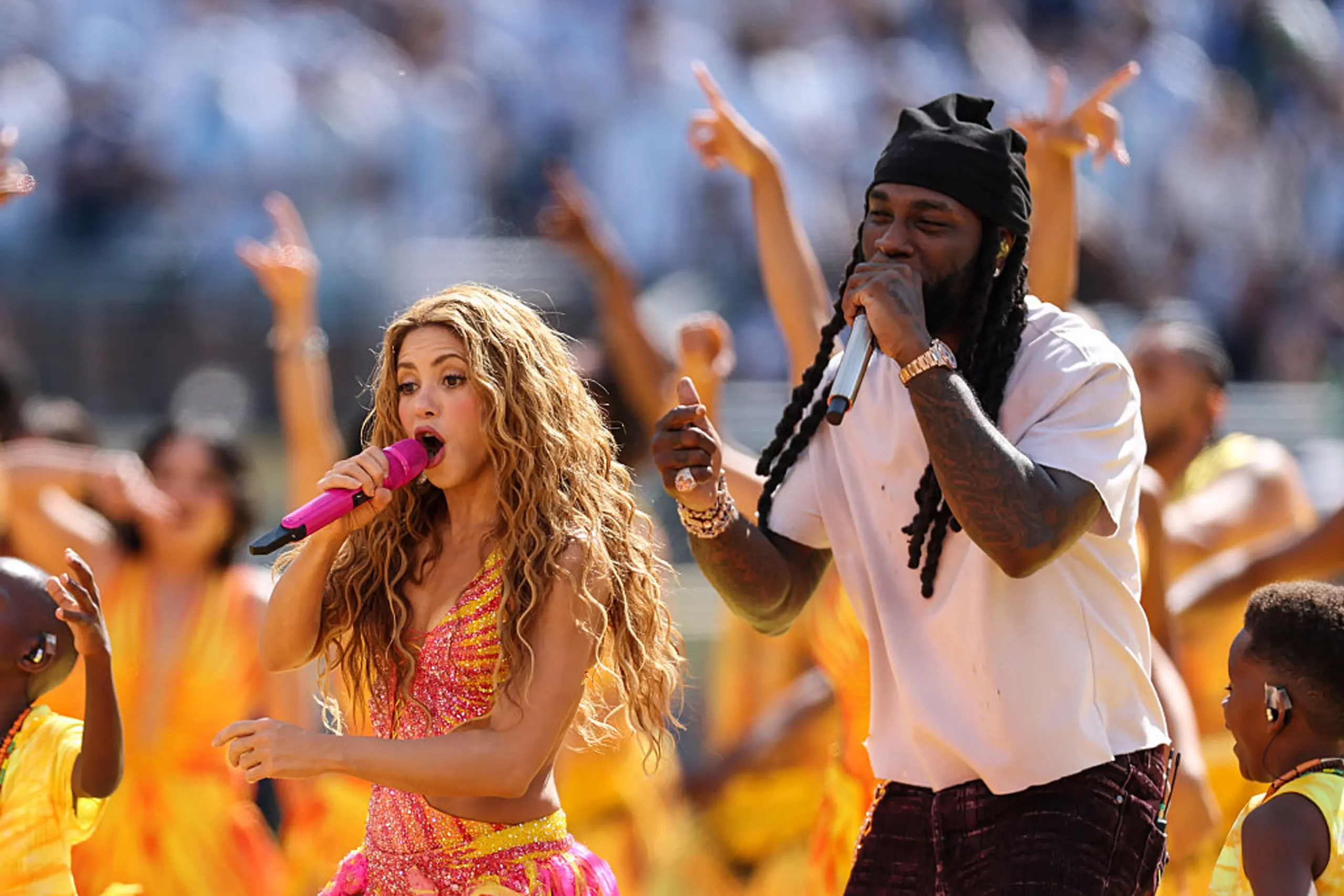
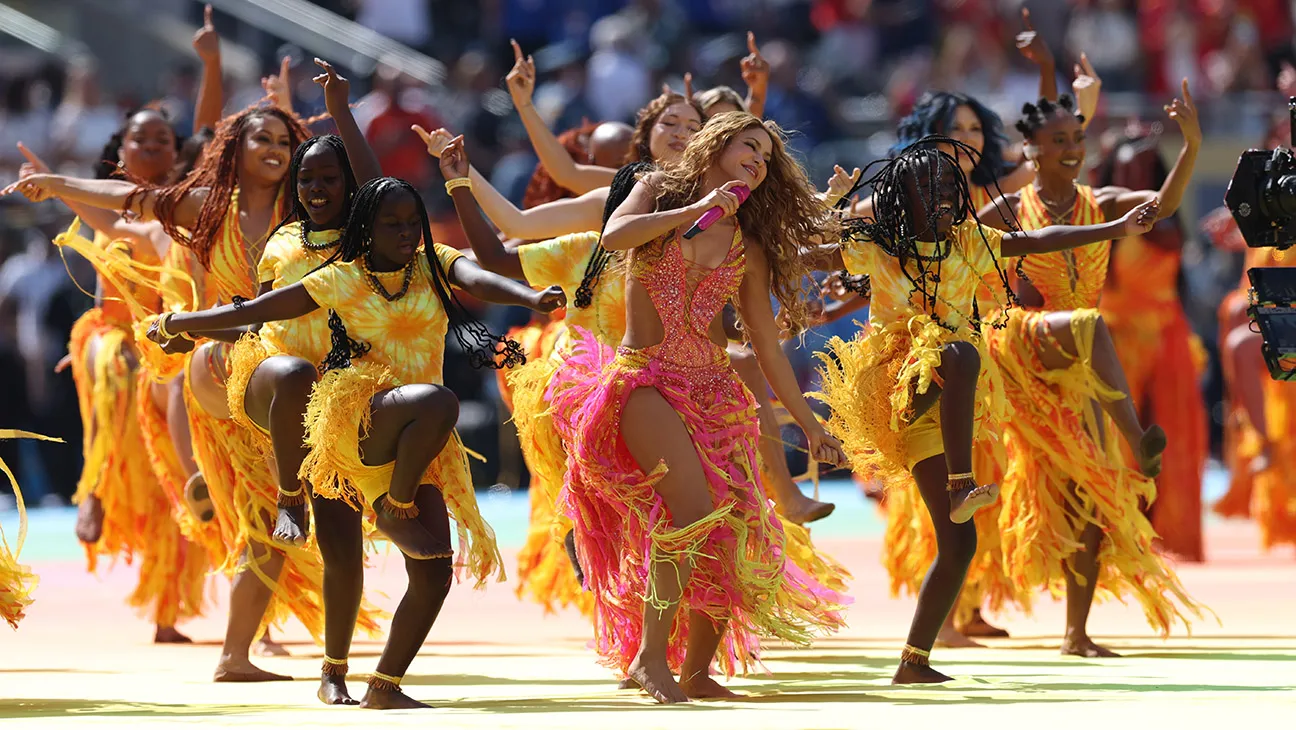
If the hydration breaks were controversial, the World Cup final’s halftime show was an outright rupture with football’s rulebook.
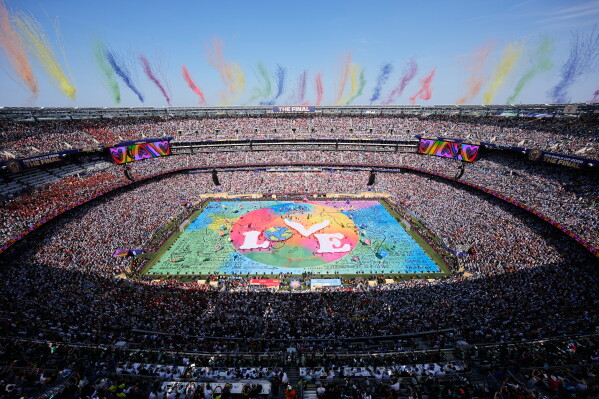
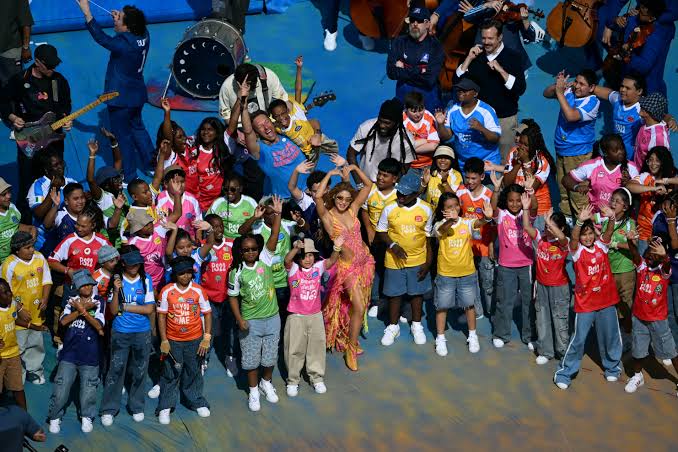
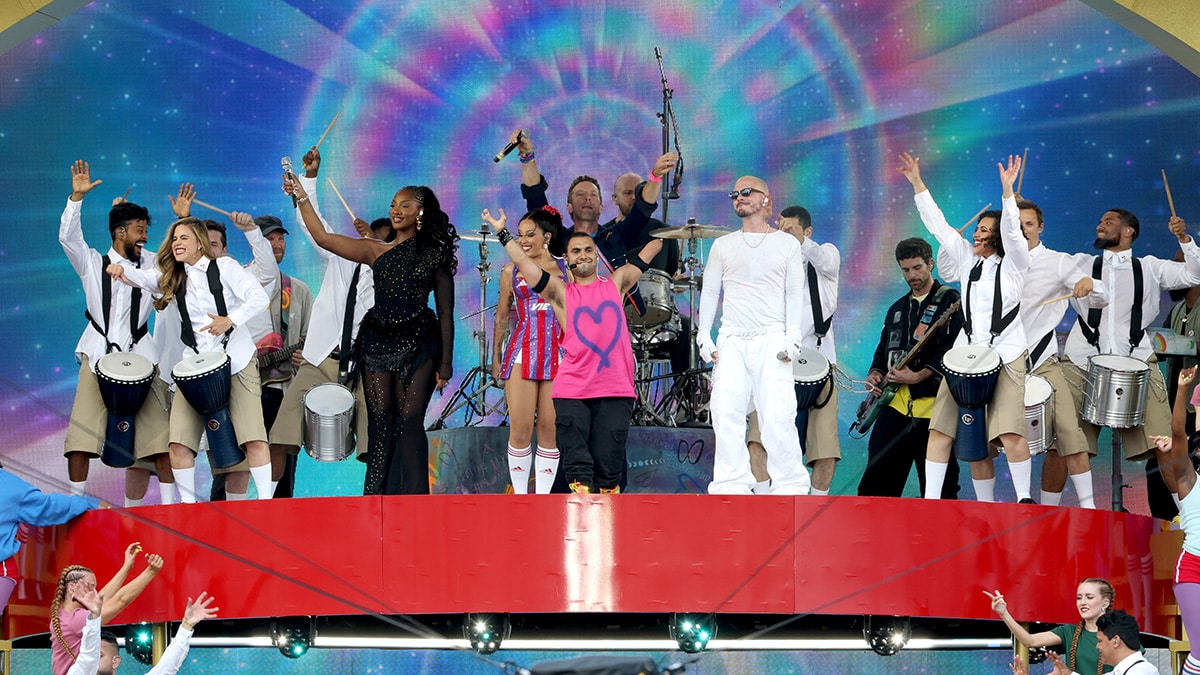
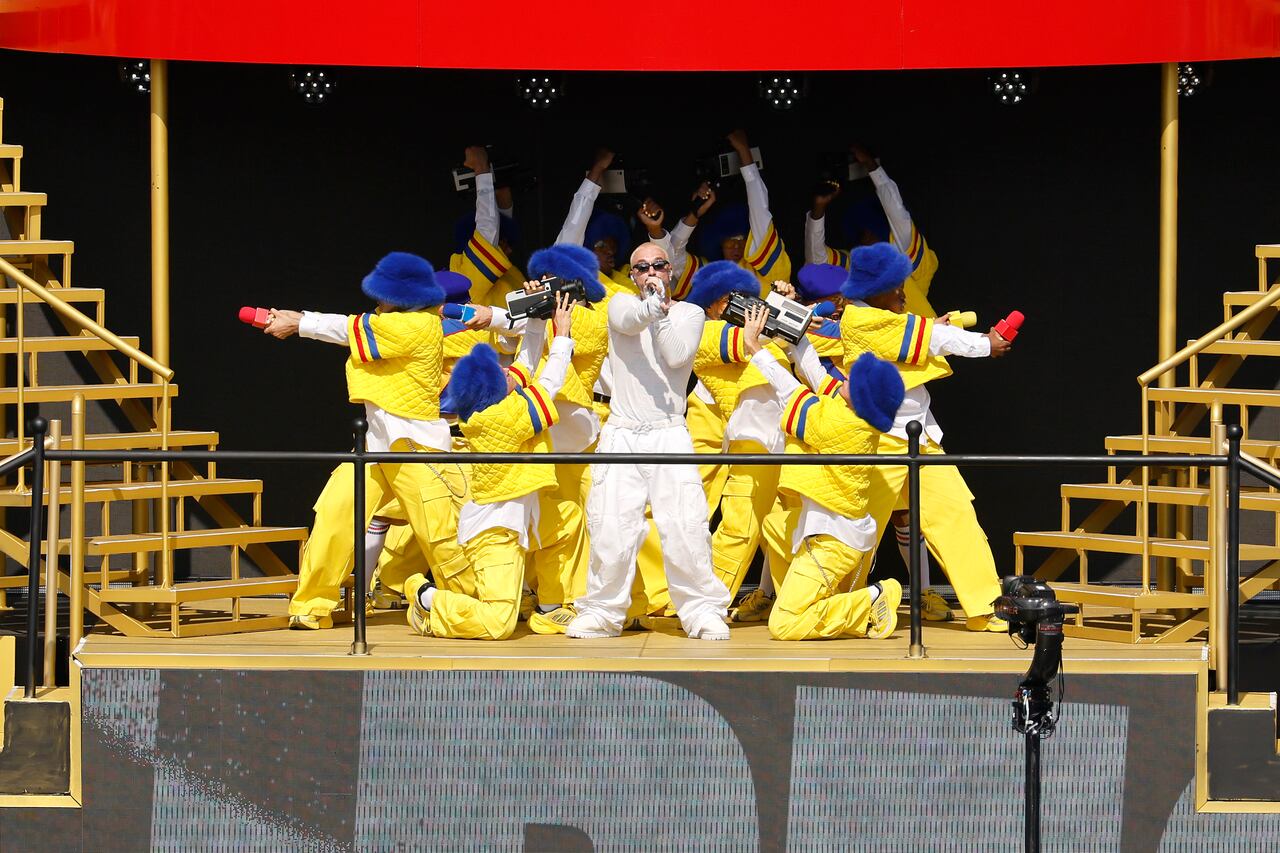
The IFAB Laws of the Game are explicit: the half-time interval “may be altered only with the referee’s permission” and should not exceed 15 minutes. Yet the final between Spain and Argentina featured a star-studded performance curated by Coldplay’s Chris Martin, featuring Madonna, Shakira, Justin Bieber, iShowSpeed, and BTS.
The result? A 28-minute half-time break, nearly double the legal limit. To accommodate the stage setup and takedown, FIFA simply ignored its own governing rules.
Critics have drawn inevitable comparisons to the Super Bowl, accusing FIFA of “Americanizing” the sport. “They’ve done a lot that’s challenged the structure and integrity of the game,” said Alan McDougall, a professor of history who has written extensively on football.
The structural changes were only part of the problem. This World Cup became a lightning rod for accusations of political interference and commercial excess.
Ticket prices reached obscene levels, with the cheapest final tickets starting at $4,185 and VIP packages hitting $8,680. Fans launched a formal complaint with the European Commission, accusing FIFA of abusing its monopoly power.
World Cup's first-ever halftime final show
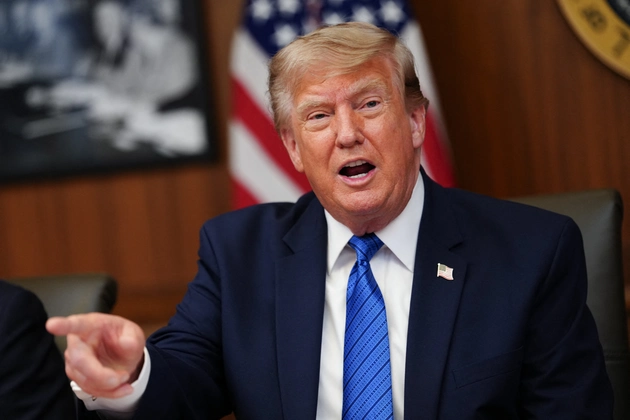
Political interference reached unprecedented depths. When US striker Folarin Balogun received a red card, President Donald Trump personally called FIFA President Gianni Infantino to review the case. Incredibly, FIFA complied, suspending the ban on probation; a decision UEFA called “unprecedented, incomprehensible and unjustifiable.”
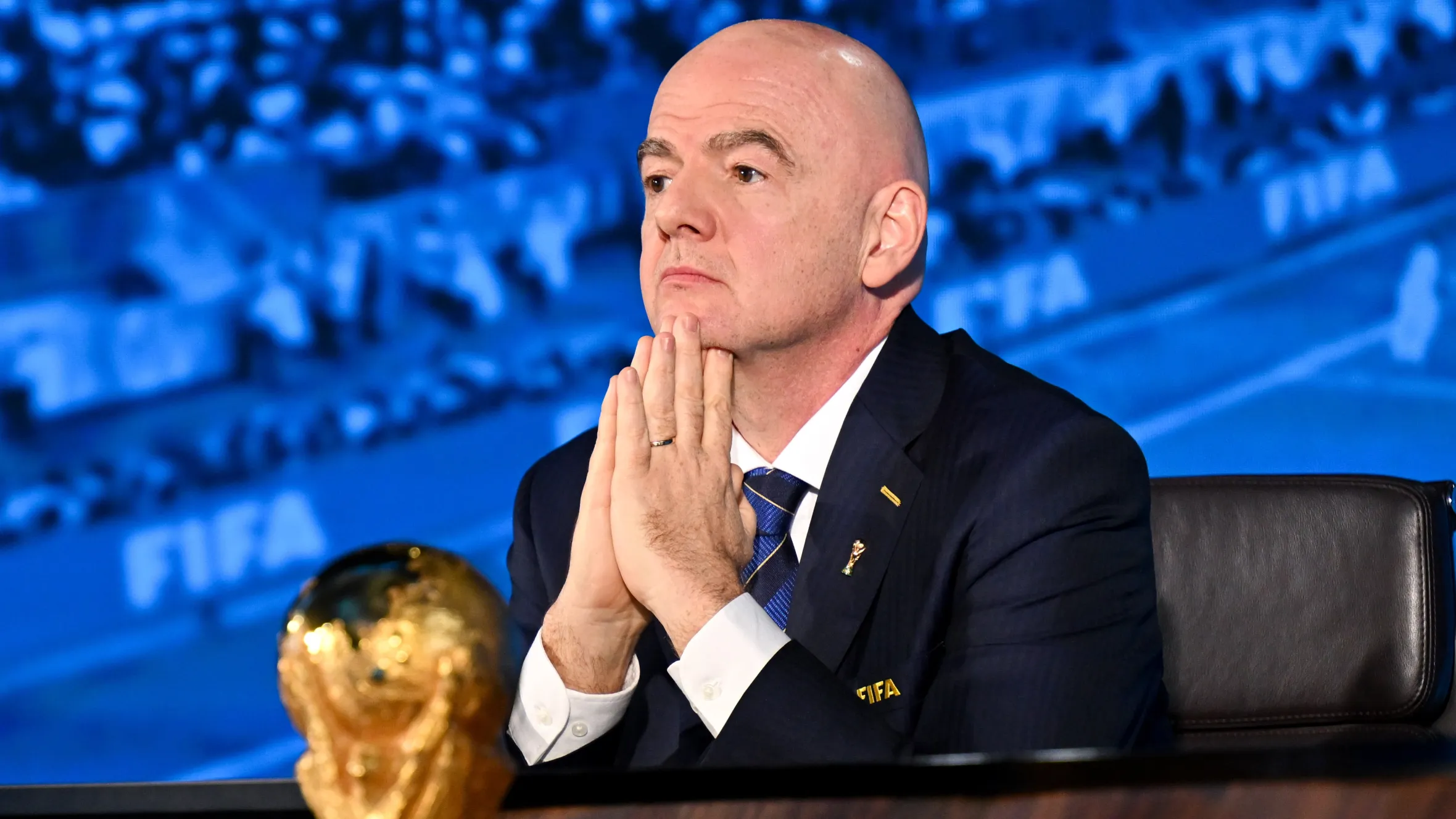
The governing body’s reputation took a further hit when Infantino awarded Trump a first-of-its-kind “FIFA Peace Prize,” a move widely seen as blatant political brown-nosing.
Discrimination and exclusion also marred the tournament. Iranian delegation members were denied US visas despite FIFA’s assurances. A Somali referee was turned away despite holding a valid visa. As Human Rights Watch’s Minky Worden noted, the tournament was played “against a backdrop of the US government’s abusive immigration crackdown.”
The cumulative effect of these controversies has been a profound erosion of fan confidence. Social media has been flooded with memes questioning the integrity of nearly every match, with the viral term “VARgentina” suggesting a refereeing bias on behalf of the eventual champions.
The football itself, in moments, was magnificent. Spain were worthy champions, Cape Verde stunned the giants, and underdogs thrilled the world. But the game was increasingly treated as a footnote to the spectacle.
Donald Trump
The question now is: how much of this American-style makeover will survive?
FIFA has indicated it will review the hydration breaks after the tournament, but the commercial incentive to retain them is enormous. UEFA has already ruled out introducing similar breaks in European competitions, setting up a potential schism between the global and European game.
Meanwhile, Infantino has floated expanding the World Cup further; from 48 to 64 teams, adding even more matches, broadcast inventory, and commercial opportunities.
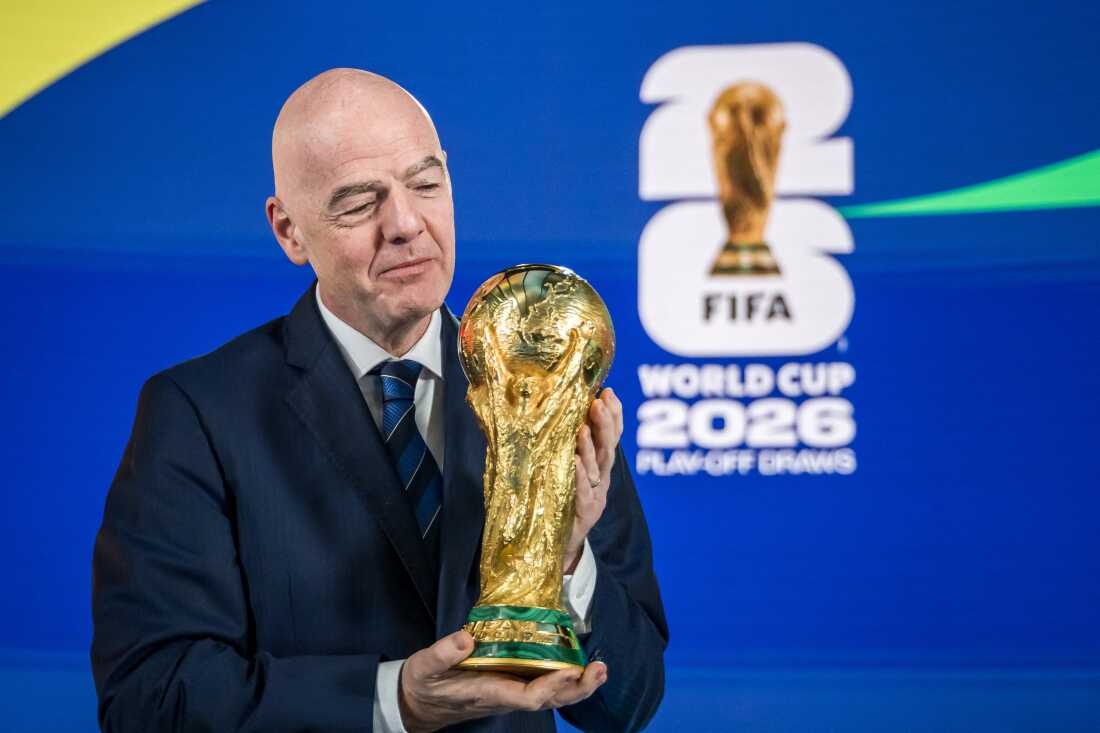
FIFA President Gianni Infantino, the man who has turned the beautiful game to shame.
Conclusion: A World Cup That Sold Its Soul
This was not the World Cup that promised to unite the world. It was a tournament where commerce dictated the rules, where presidents interfered with refereeing decisions, and where fans were priced out of the stands.
The lost pride of the World Cup is not about one bad call or one overly long halftime. It is about the creeping sense that FIFA no longer sees itself as the guardian of football’s soul, but as its most aggressive commercial exploiter. And for millions of fans who grew up believing that the World Cup was different, that realization may be the hardest loss of all.