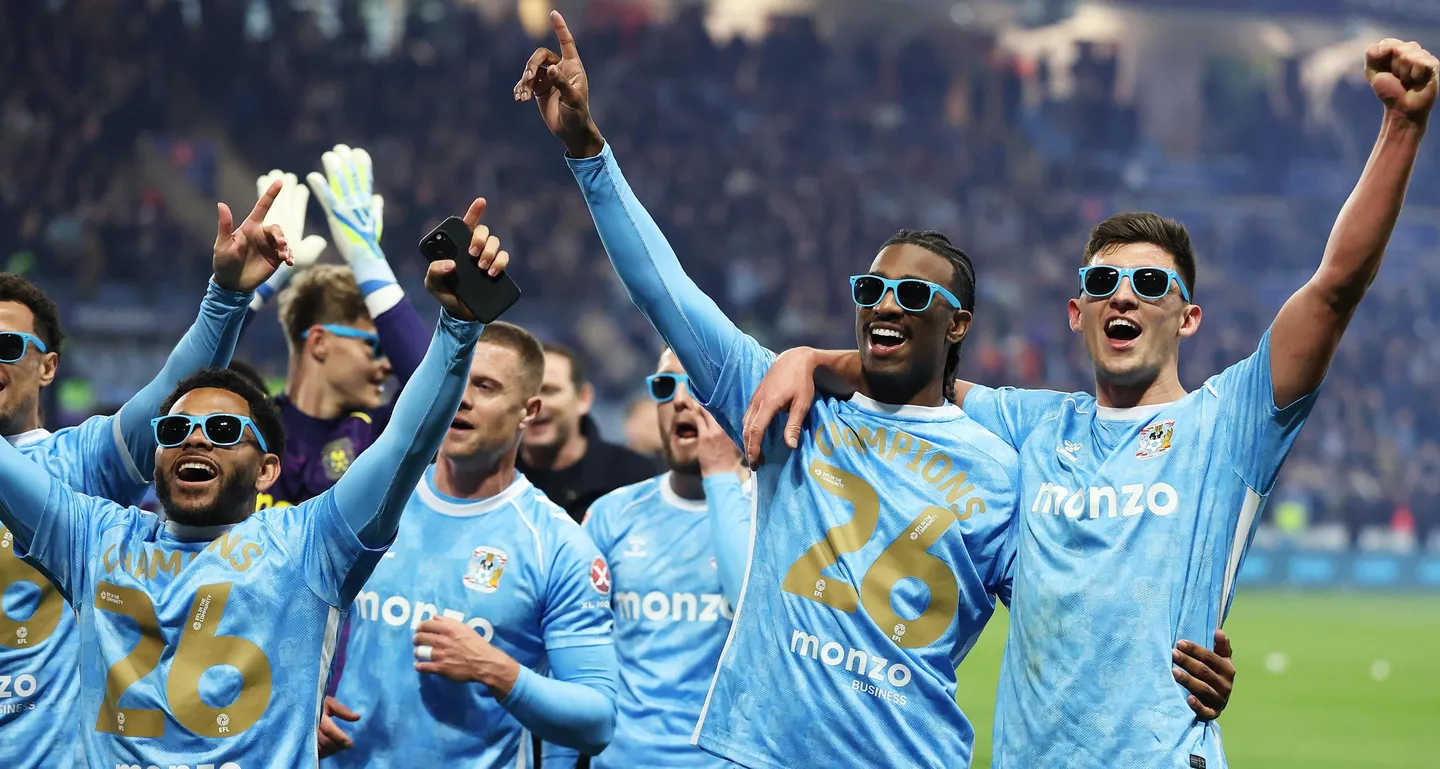
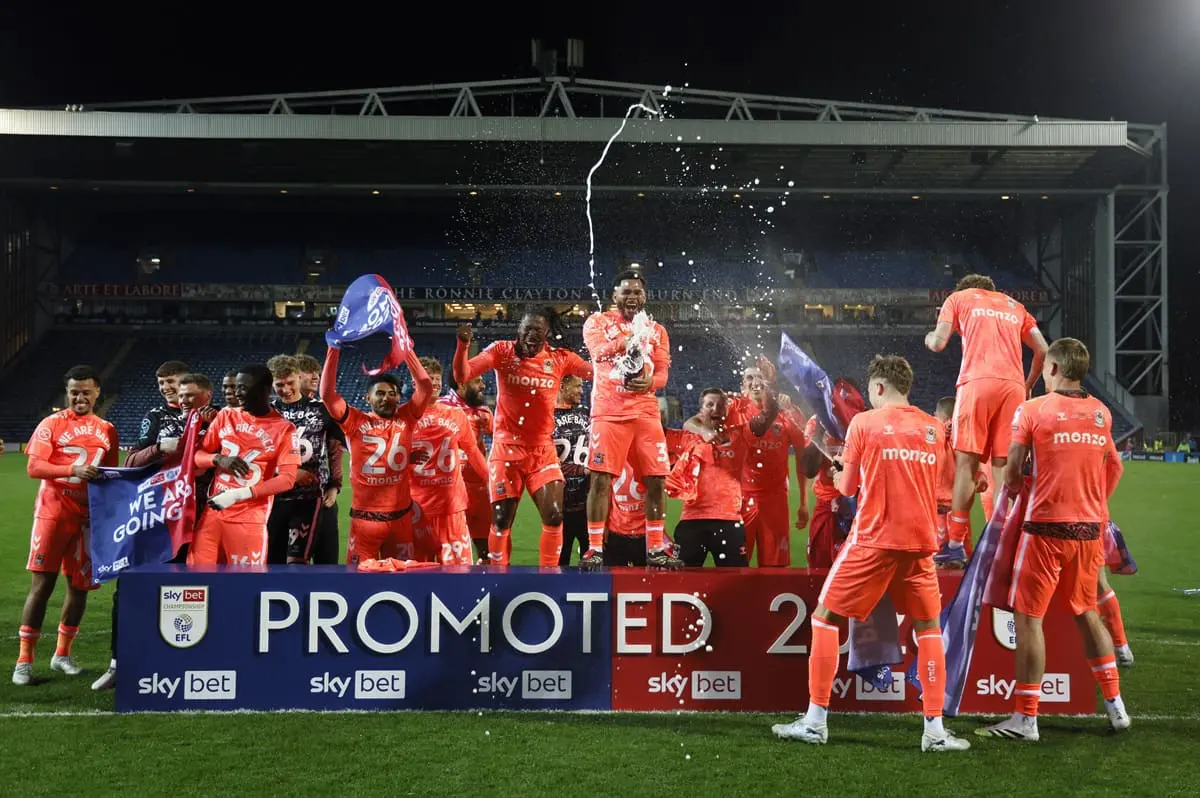
Twenty-five years of hurt ended in Lancashire on April 17, 2026, as Coventry City sealed their return to English football’s premier league.
Coventry City Return Premier League
Staff Reporter
When Bobby Thomas rose highest to head home an 84th-minute equalizer against Blackburn Rovers at Ewood Park, he didn’t just secure a 1-1 draw. He wrote the final chapter of one of English football’s most remarkable redemption stories.
For a club that was a founding member of the Premier League in 1992, the subsequent quarter-century has been a tale of steady, painful decline. Relegated in 2001, the Sky Blues tumbled through the divisions, dropping to League One in 2012, then League Two in 2017, before beginning the long climb back. They have played at four different grounds, employed 15 different permanent managers, and endured the indignity of groundsharing in Northampton and Birmingham.
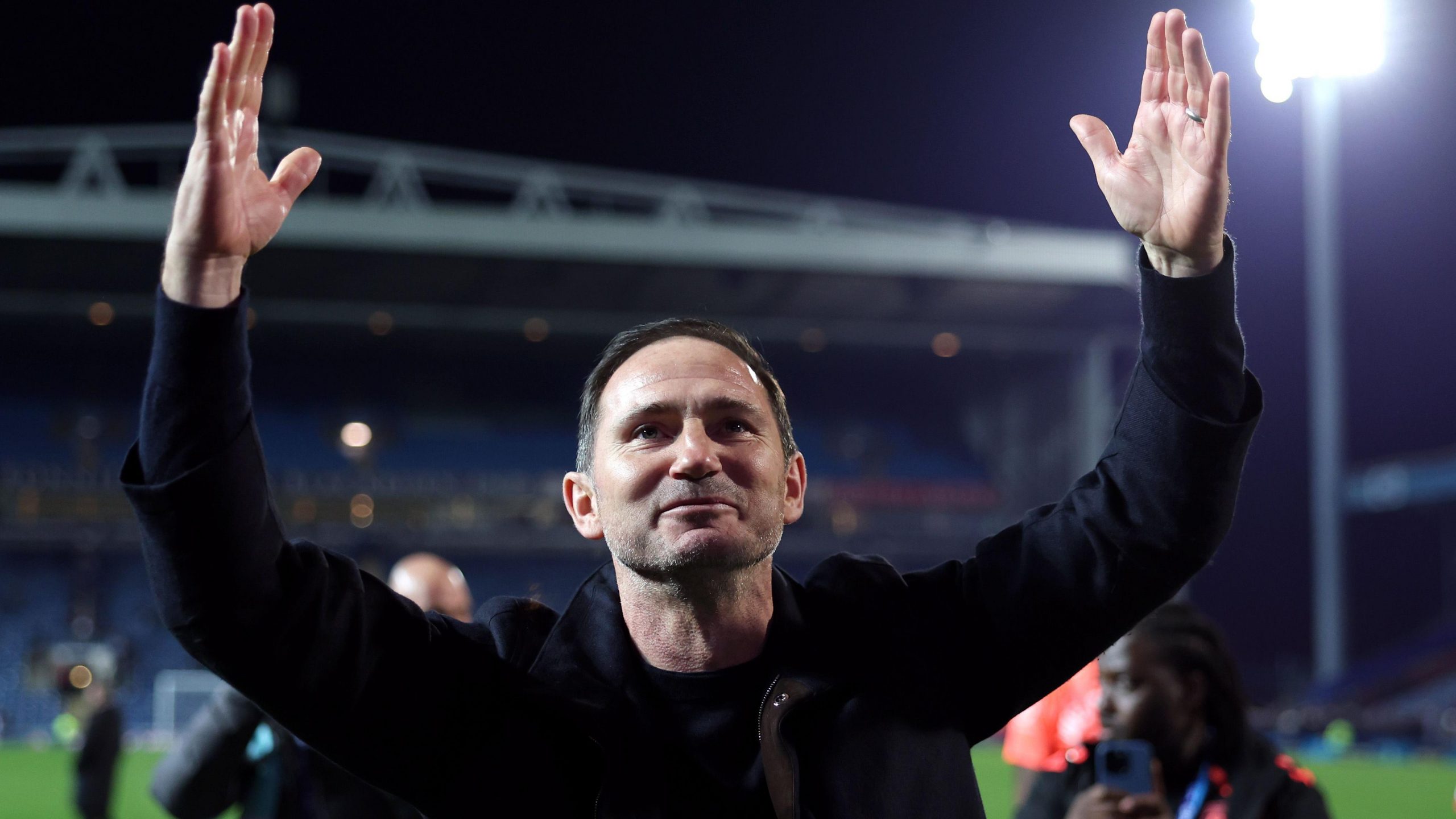
Yet under Frank Lampard, Coventry have transformed from a club on the brink to Championship champions-elect. Their promotion was sealed with three matches to spare, built on a stunning campaign that saw them become only the second side in Championship history to amass 50+ points and score 50+ goals by the halfway mark.
"This is a special night for the football club, which is bigger than all of us, " Lampard said after the match. "A club that's suffered for 25 years in terms of since they've been in the Premier League and that journey going down to League Two."
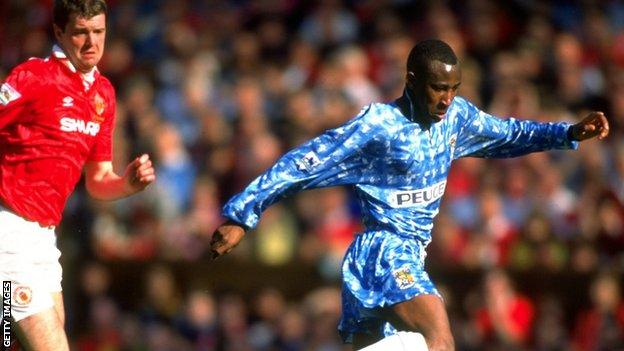
But to understand Coventry’s place in Premier League history, you must go back to August 19, 1992, four days after the league’s inaugural fixtures. A 19-year-old Zimbabwean striker named Peter Ndlovu jogged to the touchline at White Hart Lane, stripped off his tracksuit, and replaced John Williams in Coventry’s match against Tottenham Hotspur.
In doing so, Ndlovu became the first African player to grace the newly rebranded Premier League.
The distinction matters. While Zimbabwean goalkeeper Bruce Grobbelaar had played for Liverpool since 1981, he was on the bench for the Reds’ opening fixture and away on international duty shortly after. Ndlovu, signed from his boyhood club Highlanders the previous year by manager Terry Butcher, claimed the historic milestone and two weeks later, enhanced it by becoming the first African to score in the Premier League, netting in a 2-1 victory at Sheffield Wednesday.
"I'm sure I was told then, 'do you know that you're the first African to play in the Premier League?' I probably just said 'ok' and didn't give it any more thought, " Ndlovu recalled years later to Forbes Africa.
That nonchalance belied a significance that would only grow with time. When Ndlovu arrived, African players were a rarity in English football. Today, the Premier League is a global showcase for African talent, from Mohamed Salah’s record-breaking exploits at Liverpool to the legions of stars who followed the path Ndlovu first carved.
Ndlovu didn’t just make history; he became a Coventry legend. The fans christened him “Nuddy, ” and he rewarded their affection with moments of pure magic.
His 34 Premier League goals for the Sky Blues remain a club benchmark for African players and a record for Zimbabweans in English football. But it was the manner of his scoring that cemented his cult status. Defenders struggled to contain his blistering pace, his ability to isolate opponents one-on-one, and the ferocious power of his shooting.
The defining moment came on April 14, 1995, exactly 31 years before Coventry’s 2026 promotion, when Ndlovu became the first visiting player in 33 years to score a hattrick at Anfield, destroying Liverpool’s title hopes in a 3-2 Coventry victory. It remains one of the most iconic individual performances in Premier League history.
In the inaugural 1992-93 season, Ndlovu scored seven goals as Coventry finished 15th. The following campaign brought his best return; 11 goals as the Sky Blues achieved their highest league finish in five years, placing 11th.
Coventry’s return to the Premier League carries a poetic symmetry. The club that gave African football its first Premier League platform is back where it belongs, in an era where African stars dominate the competition.
For the Coventry faithful, the journey has been torturous. As fan Matt Quigg articulated after promotion:
"Growing up, it wasn't easy being a fan of Coventry. I've experienced relegations, points deductions, ground-sharing... leaving me and every other fans thinking: why always us? But the lows of the falls have made the rise feel even sweeter."
For Ndlovu, now in his fifties, the club’s resurrection will surely stir memories of a time when a teenager from Bulawayo didn’t just represent a football team, but opened a continent’s pathway to the world’s most-watched league.
When Coventry kick off their 2026-27 Premier League campaign, they will do so as a club rebuilt from its lowest ebb. But they will also do so as the spiritual home of African football in England, a legacy that began with one historic substitution on an August evening in North London, and continues, three decades later, with a team ready to write new chapters in top-flight history.
The Sky Blues are back. And Peter Ndlovu’s pioneering spirit will be watching.