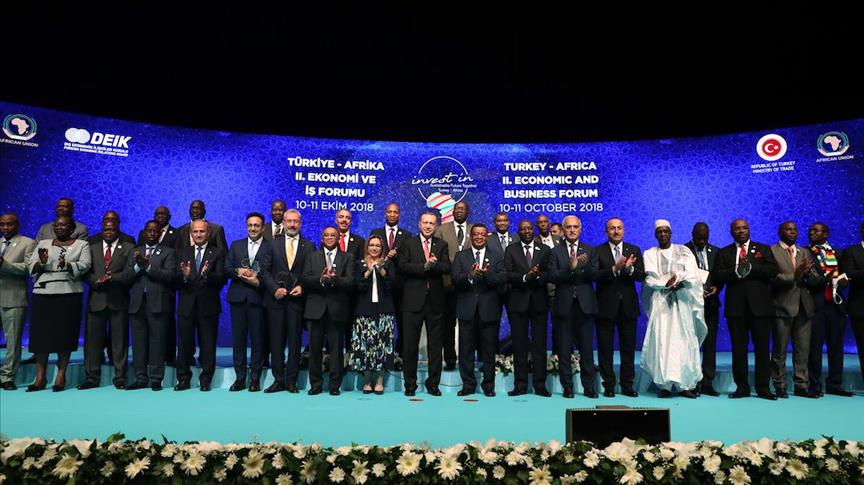
The Africa Economic Forum is to be a vehicle for Africa to own its own economic policies and implementation of policies that benefit Africa
AEF Champions African-Led Economic Control and Industrial Transformation

By Tiffanny Taylor
The Africa Economic Forum is emerging as a bold new platform dedicated to repositioning the continent’s economic destiny, with a clear mandate to shift Africa from raw material dependency toward value-driven industrialization and self-determined policy frameworks.
Board Chair of the Forum’s Strategic Advisory Board Akwasi Oppong-Fosu, articulated a compelling vision for the initiative: to serve as a vehicle for African nations to reclaim ownership of their economic policies and ensure these policies deliver tangible benefits to the continent’s population.
“The Africa Economic Forum is to be a vehicle for Africa to own its own economic policies and implementation of policies that benefit Africa, ” Oppong-Fosu stated, capturing the essence of the forum’s mission.
This declaration comes at a critical juncture when African economies are increasingly recognizing the limitations of traditional development models that have historically positioned the continent primarily as a supplier of unprocessed commodities to global markets.
The forum’s agenda directly confronts one of Africa’s most persistent economic challenges: the overdependence on exporting raw materials without capturing the value-added benefits of processing and manufacturing. By advocating for a strategic pivot toward industrialization and global competitiveness, the initiative seeks to ensure that African nations retain greater economic value from their own natural resources.
This transformation is particularly relevant as countries like Ghana intensify their industrialization efforts, leveraging mechanisms such as the African Continental Free Trade Area (AfCFTA) to stimulate regional trade and create employment through local production capacity.
Organizers have identified a fundamental objective: tackling long-standing structural imbalances in the global economy that have constrained Africa’s ability to fully capitalize on trade opportunities, attract beneficial investment, and meaningfully participate in international policy discussions.
Despite regular participation by African presidents, ministers, and business leaders in prestigious global platforms such as the World Economic Forum, Oppong-Fosu observed that the continent’s broader development trajectory has remained largely unchanged. This recognition has fuelled the determination to create a more effective, Africa-centric alternative.
The Africa Economic Forum aims to establish a coordinated continental platform that facilitates economic cooperation, policy dialogue, and strategic investment aligned with Africa’s specific priorities rather than external agendas. This approach represents a significant evolution in how African nations might collectively engage with the global economy.
A cornerstone of the forum’s strategy involves strengthening collaboration between governments and the private sector. Under this framework, African governments would focus on creating enabling policy and regulatory environments, while private enterprises would drive implementation, innovation, and investment. This division of labour seeks to harness the respective strengths of both sectors to accelerate economic transformation.
The forum’s launch coincides with a wave of industrialization initiatives across the continent, increased momentum behind the AfCFTA, and growing recognition that sustainable job creation requires robust local production capabilities. By positioning itself at the intersection of these trends, the Africa Economic Forum aspires to provide the strategic coordination necessary to convert these individual national efforts into collective continental progress.
As Africa continues its search for development models that deliver inclusive growth and economic independence, the Africa Economic Forum represents a significant attempt to institutionalise African-led economic thinking and implementation, potentially marking a new chapter in the continent’s economic history.