As one observer noted, “Any dissenting voice is regarded as an enemy of the state.”
Zambia’s 2026 Election: Reckoning for President HH as Unfulfilled Promises Haunt His Campaign
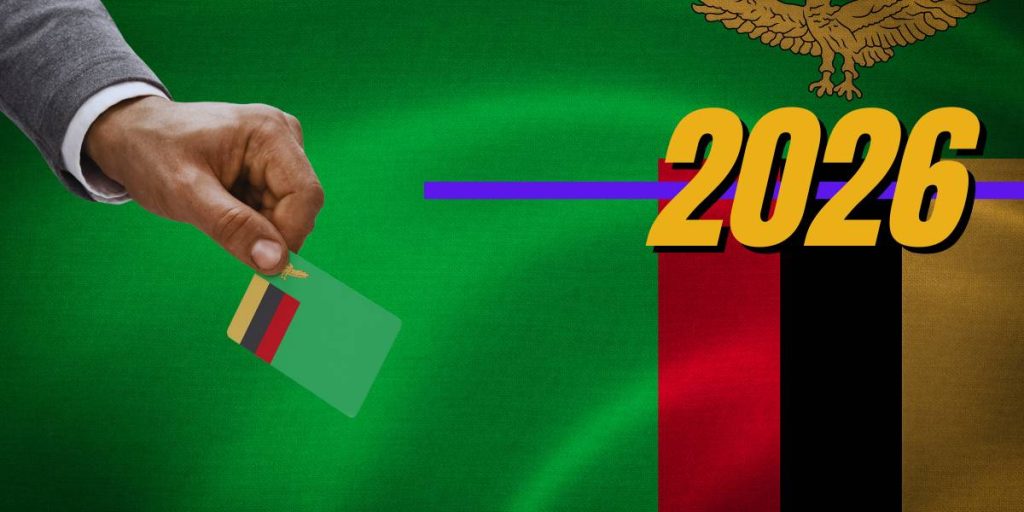
On 13 August 2026, Zambians will head to the polls in a high-stakes election that may serve as a referendum on President Hakainde Hichilema’s first term.
While he swept into power in 2021 on a wave of hope, promising a new dawn of economic revival and good governance, many voters now question whether the man who promised change has delivered, or whether he has become what he once opposed.
President Hichilema’s 2021 campaign was anchored on a pledge of “zero tolerance” for corruption, economic recovery, and a return to the rule of law. However, independent assessments paint a troubling picture. Transparency International Zambia (TI-Z) gave the UPND administration a low score of 2.1 out of 5 on governance and anti-corruption promises, citing “selective application of laws” and a “gap between political rhetoric and action.”
Critics point to the ZAMMSA scandal and the Sino Mine pollution cases as examples where the administration was slow to act, raising concerns that the fight against corruption has been politicized. Unlike the swift prosecution of former PF officials, cases involving UPND allies remain obscure, reinforcing the perception that justice is selective. Furthermore, key promises like lifestyle audits, asset declaration laws, and the full operationalization of the Access to Information Act remain unfulfilled.
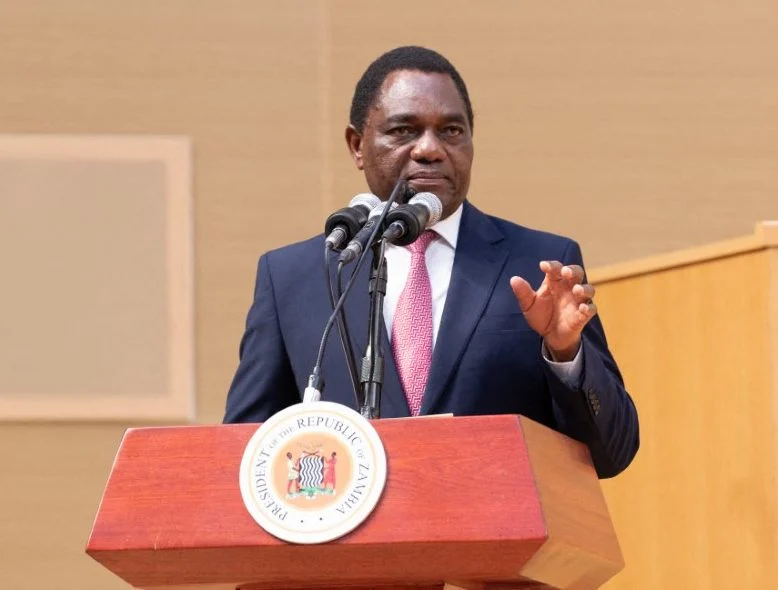
Zambia President Hakainde Hichilema
The Hichilema administration points to impressive macroeconomic indicators: inflation has dropped from 24.6% in 2021 to 6.5%, foreign reserves have ballooned to $6.5 billion, and a landmark debt restructuring deal has been completed. The government has also implemented a popular free education policy that has brought over 2.5 million children back to school.
Yet, for many ordinary Zambians, these figures don’t translate to relief. The cost of living remains painfully high, and unemployment hovers at 13%, with youth unemployment at a staggering 24.7%. The Zambia Congress of Trade Unions (ZCTU) notes that while the economy has “stabilized,” workers are still struggling with poverty and high living costs. This disconnect, between the government’s story of recovery and the reality of empty pockets is the central tension of the election.
The main challenger, Brian Mundubile of the Tonse Alliance, is capitalizing on this frustration. The Tonse Alliance is an opposition coalition of political parties in Zambia formed to challenge and defeat the ruling United Party for National Development (UPND) in the general election. He has dismissed Hichilema’s economic boasting as “big English” while “people are going hungry.” Mundubile has promised to dip into the $6.5 billion reserves to ease immediate suffering, a move Hichilema warns would destabilize the economy.
However, the opposition remains fractured. While Mundubile leads the Tonse Alliance, candidates dates like Fred M’membe (Socialist Party) and Harry Kalaba (Citizens First) are also in the race, alongside a crowded field of 14 presidential contenders. This fragmentation could split the anti-UPND vote, giving Hichilema the advantage of incumbency.
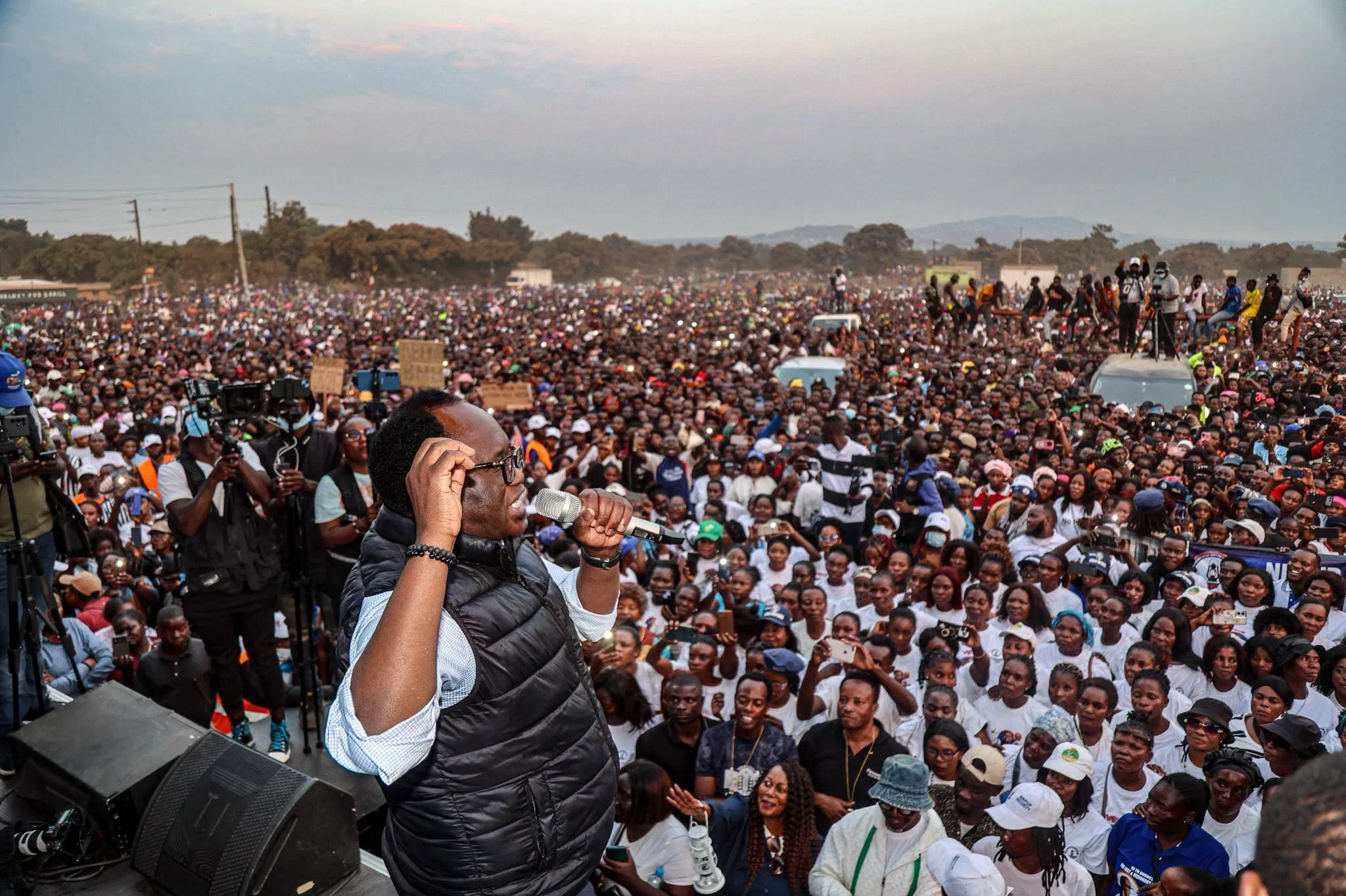
Zambian opposition leader Brian Mundubile at a rally
The irony is palpable: Hichilema, once the perennial opposition leader who decried authoritarianism, now faces accusations of suppressing dissent. Critics highlight the introduction of a vague cyber crimes law and allegations that opposition meetings are disrupted by police. As one observer noted, “Any dissenting voice is regarded as an enemy of the state.” This shift from reformer to defender of the status quo has left many disillusioned.
Zambian voters have always been advocating for electoral reforms to address key challenges in the administration of elections including at administrative level arising from the Constitution, the Electoral Commission of Zambia Act, Electoral Process Act and the Public Order Act among others since 2016. It is, therefore, our expectation that the Electoral Reform Technical Committee (ERTC) will embody an inclusive and comprehensive process in reviewing legislation and administrative procedures to improve Zambia’s elections and the electoral process.
In conclusion, the 13 August election is a pivotal moment for Zambia. President Hichilema argues that his first term was about stabilization and that a second term will bring tangible benefits. However, with high poverty, unemployment, and broken governance promises, he is facing the same taste of opposition that once fueled his own rise. For Zambians, the choice is between the devil they know and a fractured opposition that promises a return to populist policies; a decision that will shape the nation’s trajectory for years to come.