In many African communities, the dead receive a farewell fit for royalty while the living often struggle to receive a simple “thank you.”
The Grand Funeral Paradox
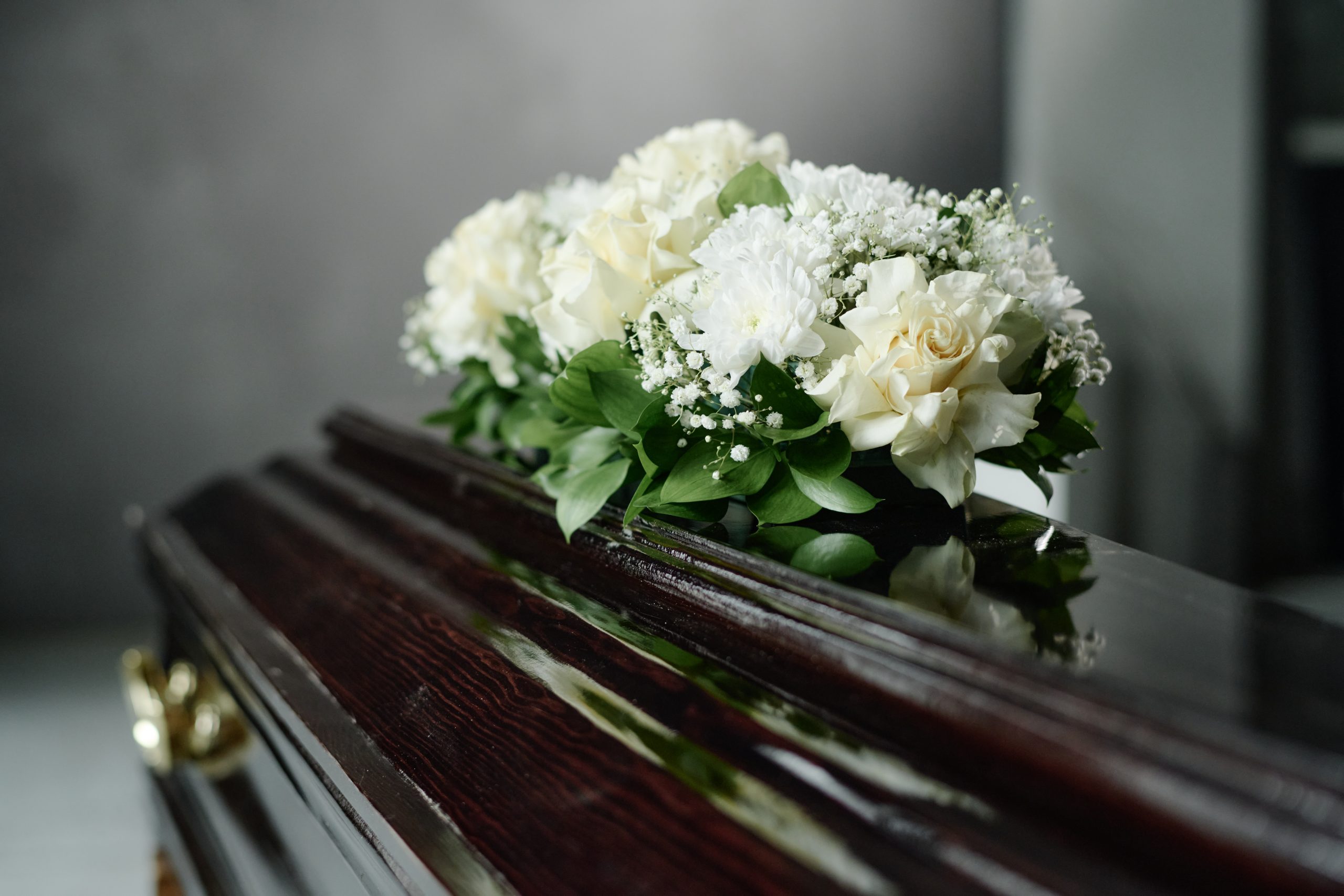
In this month’s edition, we have decided to take a paradigm shift and talk about one of the most uncomfortable conversations that people find difficult to discuss. It is a topic that if people were to be honest with themselves, it really needs to be part of daily conversations.
I have heard people bragging about how expensive their funeral policy is, its benefits, the amount of the casket on their plan, grocery allowances, and the list goes on. This reminds me of one saying that “The day you die is most celebrated than the day you were born.”
In many African communities, the dead receive a farewell fit for royalty while the living often struggle to receive a simple “thank you.”
When someone dies, villages come alive. Roads fill with mourners. Tents rise from dusty fields. Livestock is slaughtered. Choirs sing. Speeches flow. Families spend fortunes they do not have. Tributes pour in from people who may not have called, visited, or supported the deceased in years.
But here is an interesting fact, when that same person was alive; fighting illness, pursuing a dream, teaching children, raising a family, or serving their community, the applause was often muted.
This is one of Africa’s most enduring contradictions: we honor death with extraordinary passion while too often overlooking life.
For centuries, African societies have viewed death not as an ending but as a transition. The departed are believed to journey into the ancestral realm, remaining connected to the living. A proper funeral is therefore more than a ceremony; it is a sacred obligation.
Across the continent, burial rituals are designed to ensure that the deceased rests peacefully, joins the ancestors with dignity, and continues to watch over future generations.
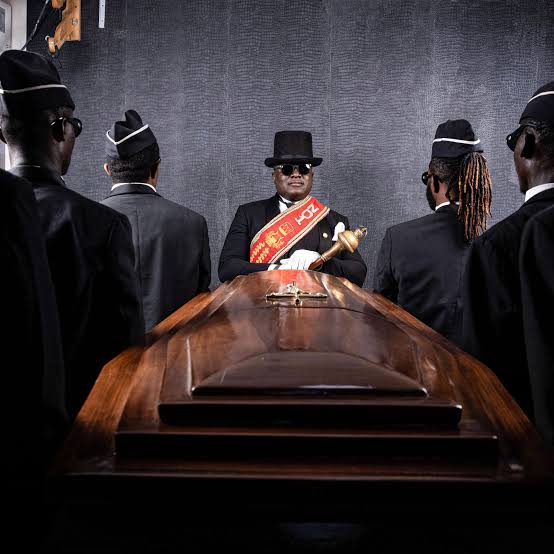
These beliefs gave birth to some of the world’s most elaborate funeral traditions. In many communities, funerals are larger than weddings, birthdays, graduations, and retirement celebrations combined. Families may spend months planning and saving for a burial. Attendance is considered a moral duty. A grand send-off is seen as the highest expression of love and respect.
There is beauty in this tradition. Funerals bring communities together. They remind us that no one grieves alone. They celebrate family, culture, and continuity.
Have you ever been added to a WhatsApp family group where they discuss tombstone after tombstone, and only active when there is a funeral? People are willing to contribute money towards purchase of the most beautiful tombstone available.
But somewhere along the way, the balance shifted. Today, many people are willing to spend more honoring the dead than supporting the living.
The irony is impossible to ignore. The teacher who shaped generations receives little recognition until the funeral speeches begin. The artist struggles in obscurity until death transforms them into a legend. The elderly parent who pleaded for medicine and companionship receives flowers, praise, and expensive ceremonies only after their final breath.
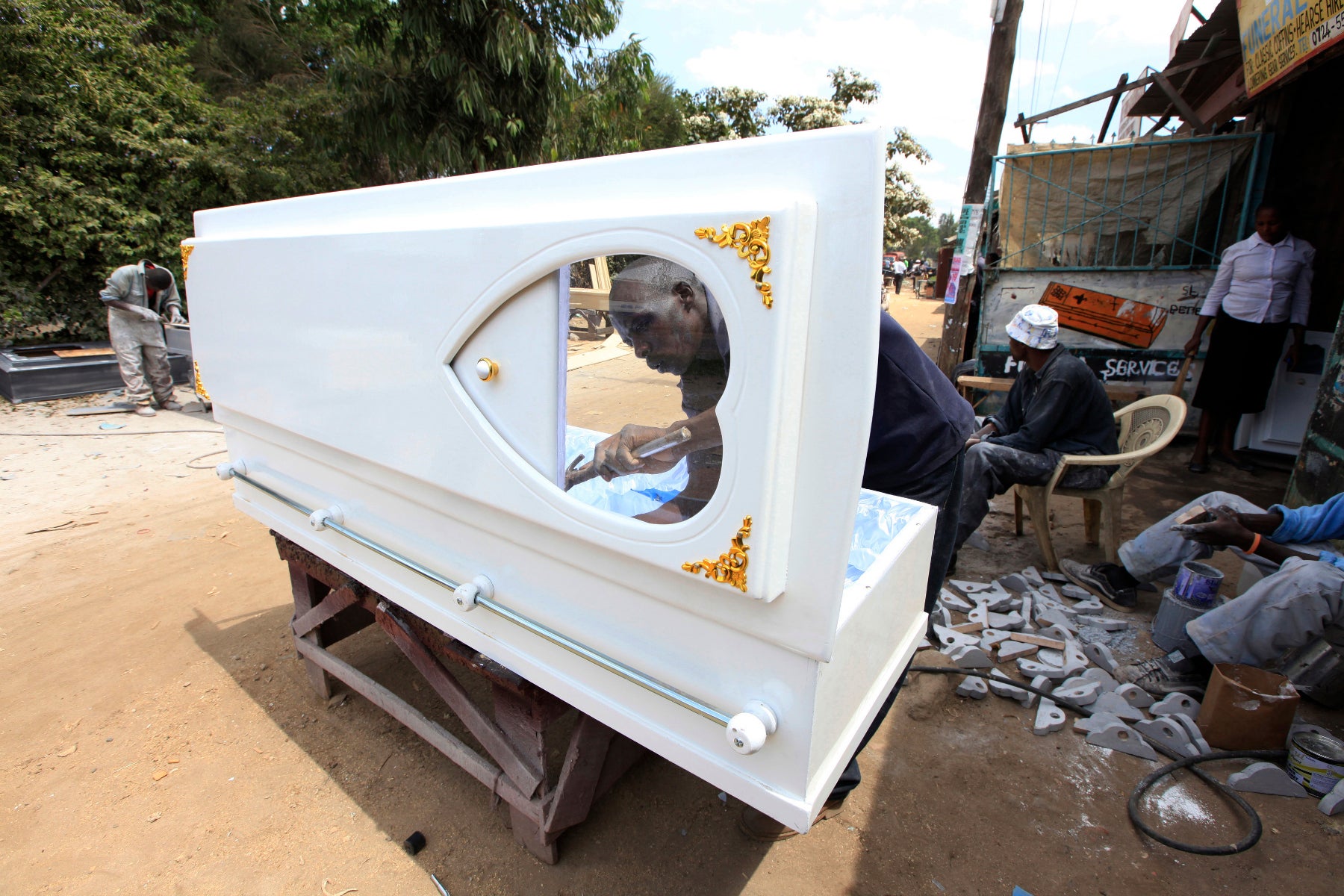
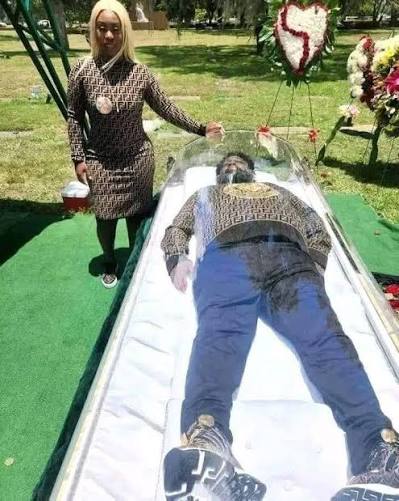
Across the continent, families take loans, sell land, and exhaust life savings to finance “befitting burials.” In some communities, funerals have become displays of social status, where grief competes with prestige and where the measure of love is reflected in the size of the tent, the number of cattle slaughtered, or the length of the guest list.
They even hire the most expensive décor, PA system, and just recently there is what they call professional mourners (people who hired to mourn on behalf of those with status and would like to maintain that under any circumstances).
Meanwhile, the living continue to struggle. We rename streets after heroes who died neglected. We erect statues to visionaries whose ideas were ignored. We celebrate pioneers only after they are gone.
History is full of such examples. Great men and women who challenged systems, served communities, educated generations, protected nations, and built institutions often received resistance, neglect, or indifference while alive. Yet after death, they are remembered as icons. Their portraits hang on walls. Their names appear on buildings. Their stories are taught to future generations.
The question is not whether they deserve honor. The question is why that honor arrives so late. The cost of this culture extends beyond emotion. It is financial.
Across Africa, families frequently emerge from funerals burdened by debt. Money that could have paid school fees, covered medical treatment, started businesses, improved livelihoods, or secured dignified care for aging parents is consumed in a single weekend of remembrance. The deceased cannot benefit from these sacrifices. The living bear the consequences.
But the greatest cost may be moral. What message do we send when appreciation arrives only at the graveside?
What does it say about us when eulogies overflow with praise that was never spoken face to face? What kind of society teaches its people that they will be valued more in death than in life?
A society flourishes when it nurtures the living. Recognition fuels purpose. Gratitude strengthens relationships. Encouragement inspires greatness. People who feel valued while they are alive are more likely to continue serving, creating, teaching, mentoring, and leading.
Africa does not need to abandon its funeral traditions. Our reverence for ancestors is part of who we are. What we need is balance.
Celebrate birthdays with the same enthusiasm as memorials. Honor teachers before retirement, not after death. Recognize caregivers, farmers, artists, entrepreneurs, community builders, and change makers while they can still hear the applause.
Invest in healthcare before funeral expenses. Give support before condolences. Give recognition before tributes. Give flowers while they can still be smelled.