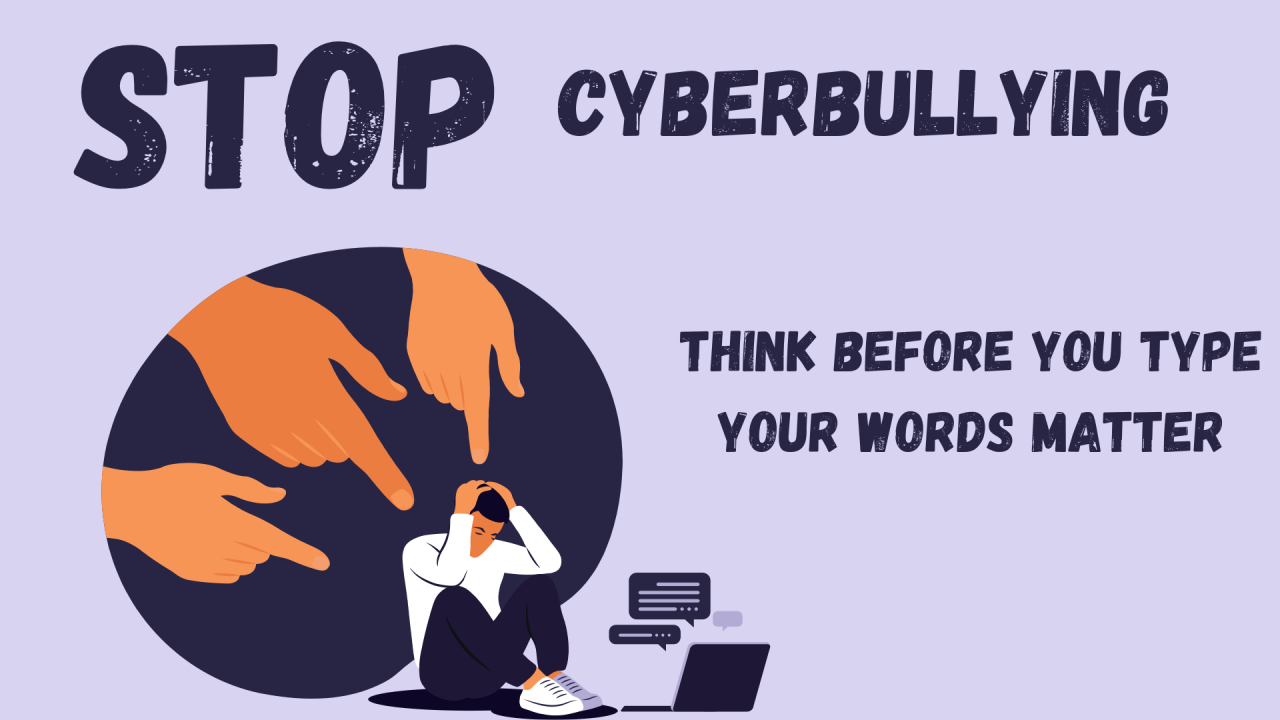
Interestingly, this is a very common word for the youth in this generation, but pose for a moment. Do you know what Cyberbullying means?
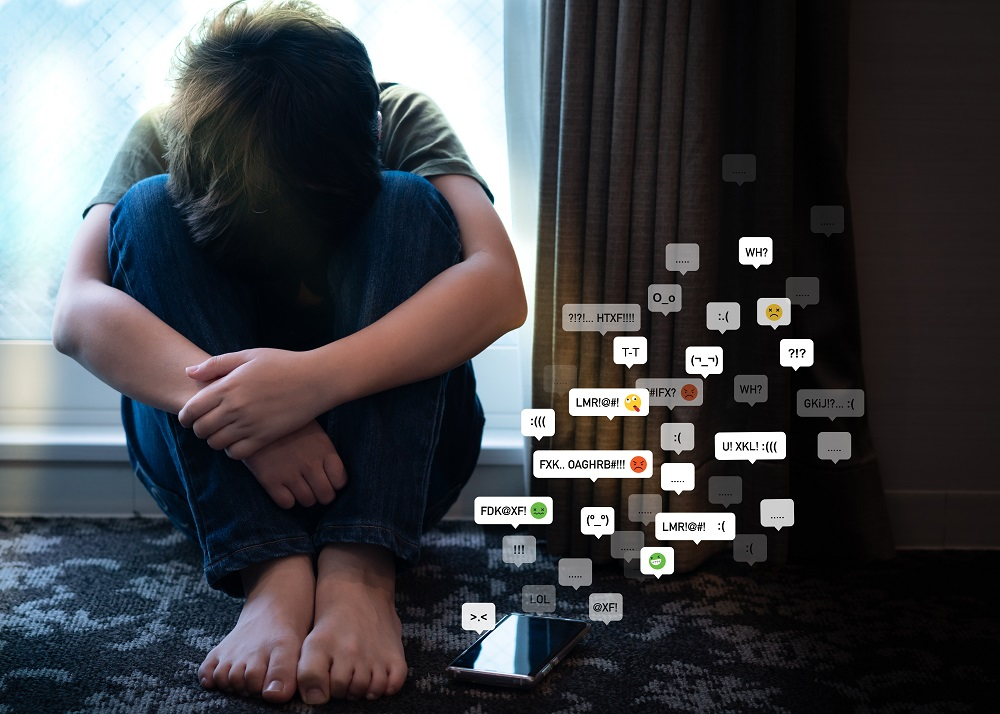
To me, the art of writing is work, driven by curiosity, integrity, a love of words and a love of the truth. It’s introducing the world to people, places, ideas and stories, and as such, this week l chose to take a paradigm shift and talk about CYBERBULLYING.
One great author, Ursula Le Guin once said and I quote, “I hope you live without the need to dominate, and without the need to be dominated. I hope you are never victims, but I hope you have no power over other people.”
Ursula Le Guin
Interestingly, this is a very common word to the youth in this generation, but pose for a moment. Do you know what Cyberbullying means? Cyberbullying can be defined as the repeated and intentional use of digital technology to target another person with threats, harassment, or public humiliation. It takes place over digital devices like cell phones, computers, and tablets and this can be through SMS, Text, and apps, or online in social media, forums, or gaming where people can view, participate in, or share content.
Whilst technological advancement has its benefits on students’ lives and achievement, are we really mindful of the potential for bullying to occur? Let’s help parents, guardians, and students think about cyberbullying and how it can be prevented and addressed.
The rampant use of mobile phones has brought cyberbullying at the fingertips and cyberbullies make use of these technologies to prey on potential victims. Social media platforms propagate a culture of self-expression by empowering individuals to create, control and broadcast own content.
We may have experienced this, or seen someone doing it or have done it unknowingly, it’s time we change positively and make things right with our online friends. Remember before you think of ‘B’, think of you as ‘A’. As ‘A’ do check yourself before you wreck yourself.
Sending, posting, or sharing negative, harmful, false, or mean content about someone else are all acts of Cyberbullying. It also involves sharing personal or private information about someone else causing embarrassment or humiliation.
As a reminder, the content an individual shares online; personal content as well as any negative, mean, or hurtful content, creates a kind of permanent public record of their views, activities, and behavior. The prevalence of social media and other digital platforms, comments, photos, posts, and content shared by individuals can often be viewed by strangers as well as acquaintances.
Worldwide, Cyberbullying has become a growing problem. Essentially, it doesn’t differ much from the type of bullying that many children have unfortunately grown accustomed to in school. The only difference is that it takes place online.
Cyberbullying Effects
It is very critical to know what to expect to see in a victim dealing with cyberbullying, as this can be one way to identify when someone is being bullied online. These effects may even be stronger than what is seen or known with traditional bullying, as the victim often cannot escape the abusive situation.
- Feelings of low self-esteem or self-worth
- Problems in relationships with family members and friends
- Increased feelings of anxiety
- Social isolation, withdrawing from friend groups, or spending a lot of time alone
- Avoiding doing things that they used to enjoy
- Poor academic performance
- Substance abuse
- Increased feelings of anger, irritability, or angry outbursts
- Feelings of distress about the bullying
- Increased feelings of depression and mood swings
- Problems falling asleep or staying asleep (e.g., insomnia)
Parents / Guardians
One of the important elements that parents and guardians or child-carers to have regular conversations with your child about the online world, including issues like cyberbullying. When someone is the target of Cyberbullying, they can feel alone and very misunderstood. It is therefore vital that as a parent or carer you know how to support your child if they are caught up in this. Research has pointed out cyberbullying among adolescents as a serious public health issue that is closely related to adolescents’ behavior, mental health and development.

Additionally, the principal key is to reassure your child that they are not to blame for the bullying online. Just like any adult out there, some victims may feel that their behavior created the problem or that they are somehow to blame. The best advice will be making sure your child knows that what happened is not their fault.
If you are a victim of cyberbullying, know that you are not alone and there are options to help. If you are struggling, find someone you trust and tell them your situation. No one will judge you for that.
You may have done it knowingly or unknowingly, but, if you are a cyberbully yourself, it’s never too late to change. Did you know about these statistics in India in a report that was presented in 2018: India recorded the highest rate of children falling victim to cyberbullying in 2018 so far. Over 37% of Indian parents have admitted that their children have been victims of cyberbullying at least once, which is 5% more than in 2016.Examine and write down your reasons for being a bully, and see if you can find some alternatives to stop the behavior. Lastly, know that we are here for you.