By learning these simple maintenance tasks and building an emergency kit, you’re not just taking care of your vehicle; you’re ensuring that your freedom on the road is as safe and reliable as possible.
Essential Car Maintenance Tips and Must-Have Items for Every Driver
By Zvakwana Nomore Sweto,
For many of us, a car is more than just a machine; it’s freedom. It’s the road trip with friends, the commute to work, the late-night run to the pharmacy. We rely on it heavily, yet the inner workings of a vehicle can feel like a mystery. But you don’t need to be a mechanic to be a responsible car owner. Understanding a few basics of car maintenance and knowing what essentials to keep on hand can save you money, prevent breakdowns, and, most importantly, keep you safe.
Basic Car Maintenance Every Owner Should Know
Regular maintenance is the key to a long and healthy life for your vehicle. These simple checks can help you catch small problems before they turn into expensive, major repairs.
Learn to Check Your Fluids: Your car relies on various fluids to function. Popping the hood once a month for a quick check is a great habit.
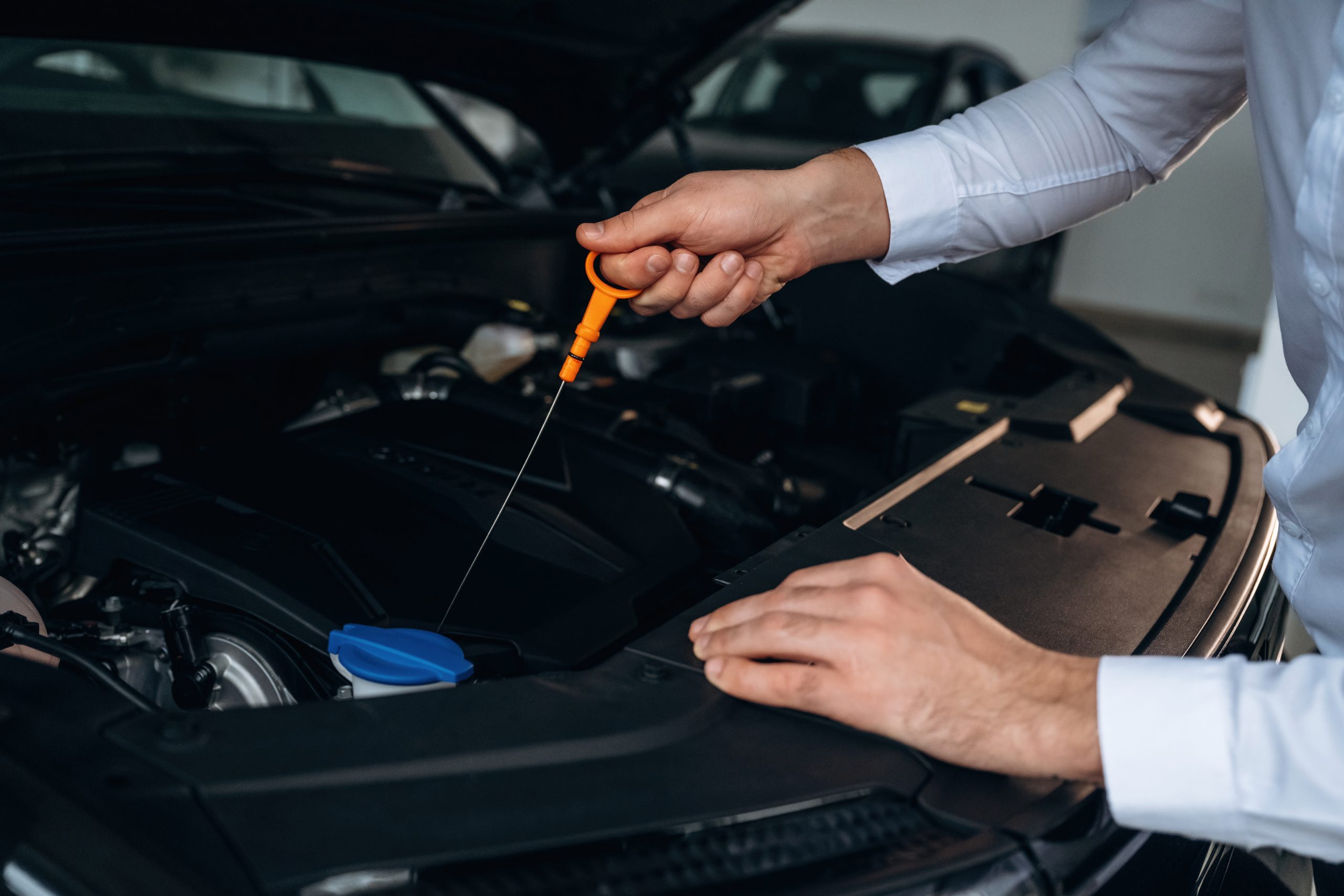
Engine Oil: This is the lifeblood of your engine. With the engine off and cool, pull out the dipstick, wipe it clean, reinsert it, and pull it out again to see the level. It should be between the two marks. Also, note the color; it should be a brownish-amber, not black and gritty.
Coolant (Antifreeze): Located in a translucent plastic reservoir, the coolant level should be between the “min” and “max” lines. Never open the radiator cap when the engine is hot, the system is under pressure and the fluid can cause severe burns.
Windshield Washer Fluid: This is the easiest to maintain. Keep the reservoir full, especially in winter or during long road trips. You can’t have too much of this.
Brake and Transmission Fluid: These are also crucial. If you notice they are consistently low, or if the fluids look dark or dirty, it’s a sign to take your car to a professional.
Know Your Tires
Your tires are the only part of your car that touches the road. Their condition is critical for safety.
Tire Pressure: Check your tire pressure monthly (including the spare!) using a simple gauge. You can do this at home or at any gas station. The correct pressure for your car is listed on a sticker inside the driver’s side doorjamb, not on the tire itself.
Visual Inspection: Glance at your tires before you drive. Do they look properly inflated? Are there any bulges, cuts, or nails?
Don’t Ignore the Warning Lights
That “Check Engine” light or the little oil can icon isn’t a suggestion; it’s your car’s way of telling you something is wrong. Don’t panic, but don’t ignore it either. Check if it’s a serious issue (like low oil pressure or overheating) or if you can safely drive it to a mechanic to have the code read. Most auto parts stores will do this for free.
The Essentials Every Car Should Have
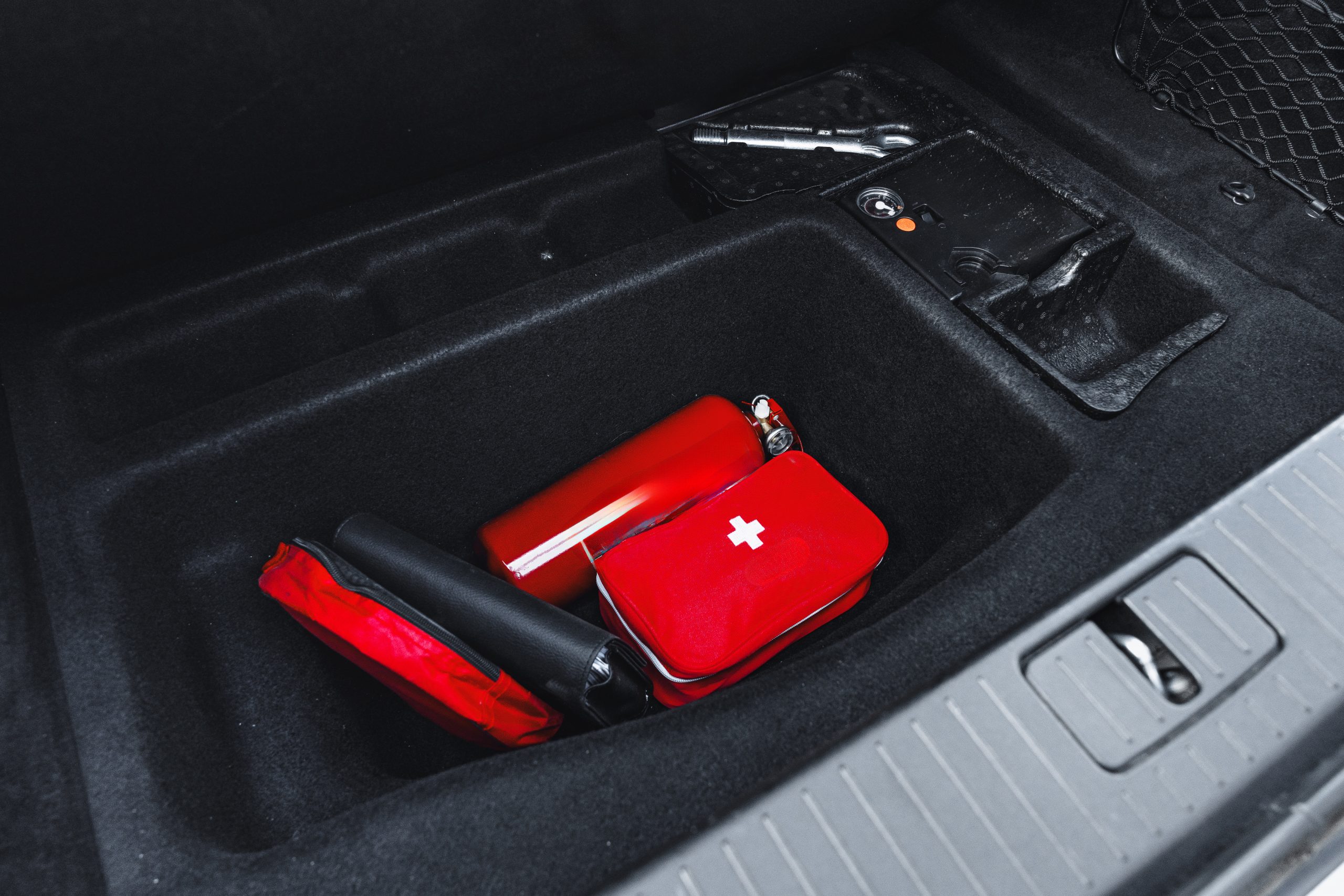
No matter how well you maintain your car, sometimes things go wrong. A flat tire, a dead battery, or being stranded in bad weather can happen to anyone. Being prepared can turn a potential disaster into a minor inconvenience. Put together a kit with these essentials and keep it in your trunk.
The Safety and Emergency Kit:
Jumper Cables (or a Jump Starter): A dead battery is one of the most common issues. A good set of jumper cables is a must. For an even better solution, consider a portable jump starter.
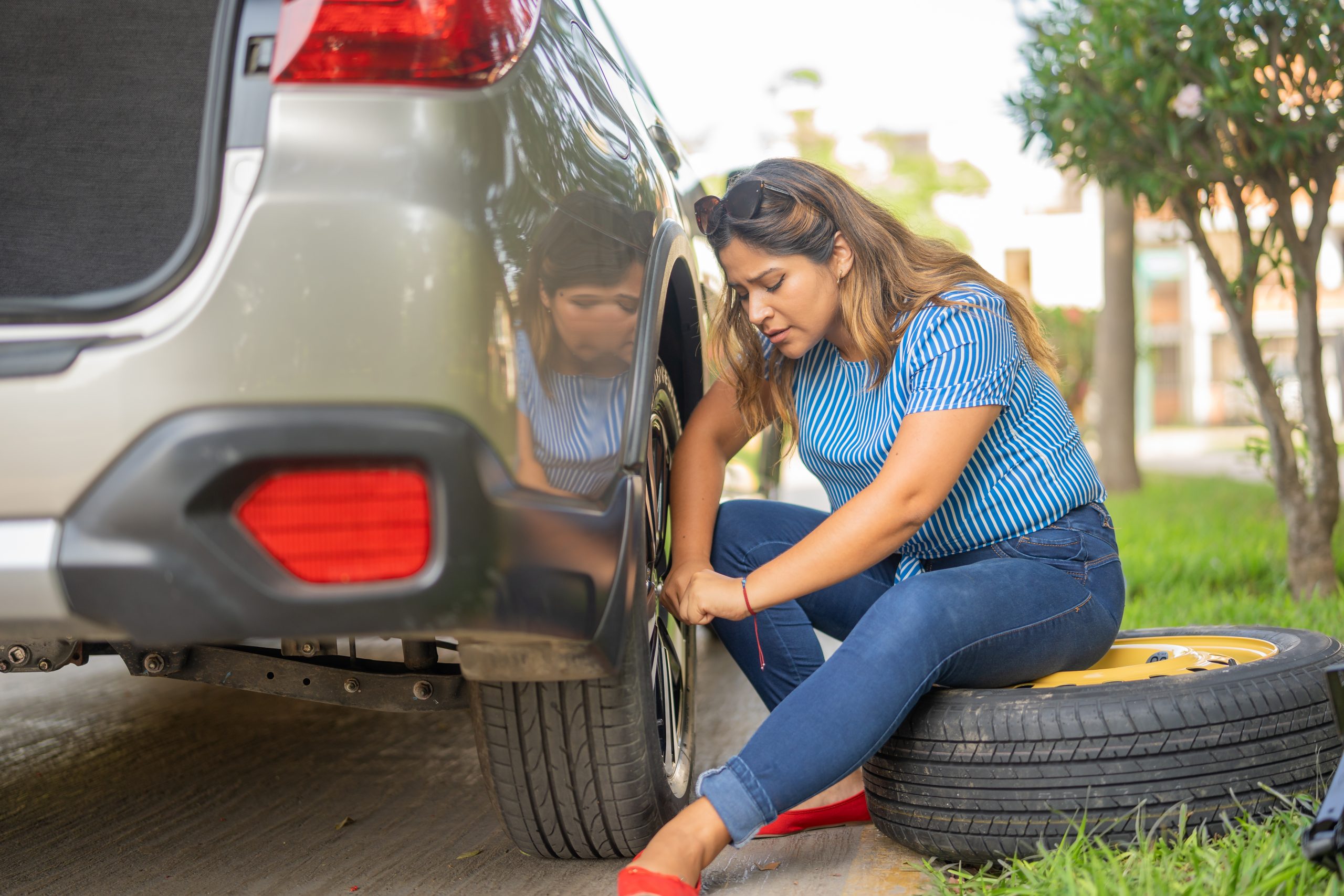
Spare Tire, Jack, and Lug Wrench: Do you know where these are in your car? Have you ever practiced changing a tire? On a sunny afternoon in your driveway, take them out and familiarize yourself with the process. It’s much harder to learn in the dark on the side of a busy road.
Flashlight and Reflective Triangles/Flare: If you break down at night, you need to be seen. A powerful flashlight with extra batteries is essential. Placing reflective triangles or flares behind your car alerts other drivers to your presence.
First-Aid Kit: A basic kit with bandages, antiseptic wipes, gauze, and medical tape is a must for any minor injuries.
Multi-Tool or Basic Tool Kit: A simple multi-tool with pliers, screwdrivers, and a knife can be a lifesaver for quick fixes.
Finally. taking care of a car is a form of self-reliance. It’s about taking control of your safety and your mobility. By learning these simple maintenance tasks and building an emergency kit, you’re not just taking care of your vehicle; you’re ensuring that your freedom on the road is as safe and reliable as possible.