The US has shown it will act without the UN, attack sovereign nations, and disregard international law.
What the US-Israel-Iran War Means for a World in Turmoil
Zvakwana Nomore Sweto
As millions take to the streets across America and global markets teeter on the brink of collapse, the question of whether the United States should “consider defeat” is no longer a fringe talking point, it is becoming a whispered reality in capitals around the world. The military aggression against Iran, launched by the US and Israel on February 28, 2026, has triggered a global shockwave that extends far beyond the Middle East. To understand what this war means for the world, one must look past the geopolitics of the Middle East and examine the fractures opening up in Washington, Wall Street, and Main Streets everywhere.
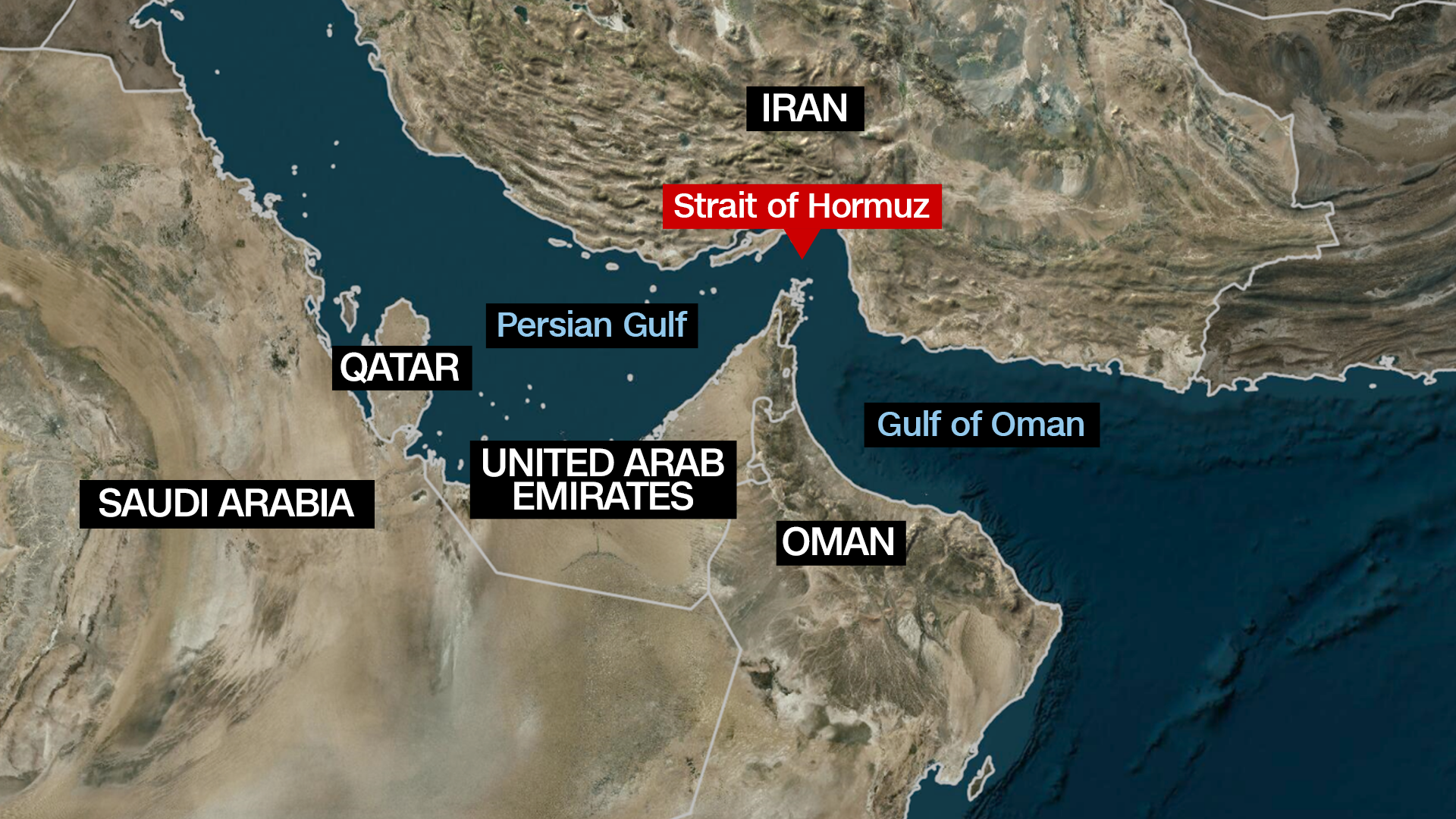
The most immediate consequence of the war has been the effective blockade of the Strait of Hormuz. The result has been catastrophic. Fatih Birol, head of the International Energy Agency, has warned that the global economy faces a “very, very big threat,” stating that the damage to energy facilities across nine countries has already had a worse impact than the 1970 oil crisis and the war in Ukraine combined.
For the world at large, this means the return of stagflation. Supply chains for petrochemicals, fertilizers, and even helium have been completely disrupted. In India, the release of a $65 million Bollywood film was delayed because the Gulf market, critical for the South Asian diaspora, has collapsed. In Italy, winemakers are facing a 60% rise in diesel prices, warning that everything from wine to pasta will become more expensive.
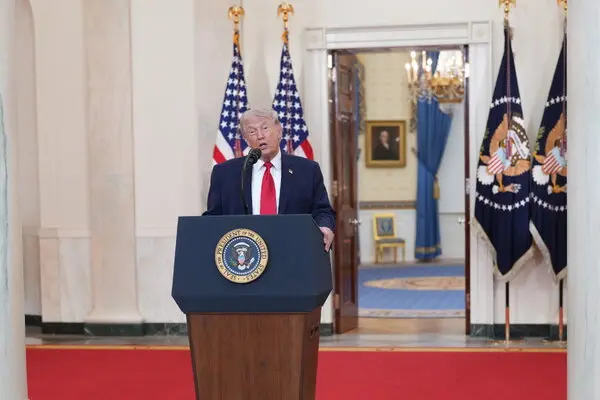
Donald Trump
If the war continues for weeks, economists warn oil could hit $110 a barrel; if it stretches to months, $170 a barrel is possible. For the world, this is not just a price hike; it is a recessionary death spiral that will cut UK and Eurozone GDP by half a percentage point while simultaneously spiking inflation.
While the bombs fall in the Middle East, the American home front is igniting. On March 28, an estimated 9 million people participated in the “No Kings” protests across all 50 states, marking perhaps the largest single day of political dissent in US history.
These are not just the usual anti-war activists. Protests erupted in districts that traditionally vote Republican, driven by a potent mix of rage over inflation, gas prices, and the human cost of the war, specifically the 13 US service members killed in the conflict.
The message from the streets is clear: Americans do not believe this war serves their interests. Protesters in Washington, D.C., highlighted the hypocrisy of funding “Israel’s wars” while citizens cannot afford housing or healthcare. This level of domestic unrest: over 3,100 separate rallies, removes the “mandate” from the administration. A government fighting a major war while fighting 900 million of its own citizens is not a government that can claim stability.
Strait of Hormuz
Should America Consider Defeat? Redefining the “Win”
This brings us to the most provocative question: Should America consider defeat? To answer this, we must look at the strategic definition of “defeat.” Military doctrine defines defeat as rendering a force “incapable of achieving its objectives.” What were America’s objectives? If the goal was regime change in Iran, the assassination of Supreme Leader Ali Khamenei has backfired; Iran swiftly filled the power vacuum, and the “Resistance Economy” has proven resilient. If the goal was to secure energy routes, the Strait of Hormuz is blocked, and global trade is hemorrhaging.
Strategists argue that in a war against a nuclear-capable state like Iran, “accepting a defeat or a stalemate” might be preferable to “winning” at the cost of nuclear escalation. Columbia University Professor Jeffrey Sachs describes this conflict as an imperial overreach, a desperate attempt by the US to assert unipolar dominance in a world that has already moved to multipolarity.
Perhaps the most profound meaning of this war for the world is the death of the “international order.” Experts warn that the conflict is fracturing the global system permanently. The US has shown it will act without the UN, attack sovereign nations, and disregard international law.
For the Global South and emerging markets, from India to Brazil; the lesson is brutal: reliance on US security guarantees is a liability. India, which imports 90% of its oil, is now exposed not just to prices but to the physical denial of supply. Consequently, the world is pivoting. The call from economists is for the BRICS nations (Brazil, Russia, India, China, South Africa) to accelerate the energy transition away from fossil fuels using Chinese technology and to salvage the UN system from American abandonment.
As of March 29, 2026, the United States finds itself in a paradox. Is it still the world’s largest military power? It has a commander-in-chief, yet nearly ten million citizens took to the streets to declare “No Kings.”
For the world at large, this war means a future of higher prices, fractured alliances, and a dangerous vacuum where the old rules no longer apply. Whether America should “consider defeat” is not a question of surrender, but of strategy. As one military analysis put it, sometimes the best path to security is accepting that a “stalemate” is preferable to total annihilation, or to the total unraveling of the state at home. The longer this war grinds on, the more it looks like everyone, including the United States, is losing.