By Onyango Musisi
Kampala, Uganda: As Uganda enters the long shadow of its 2026 general election, the political landscape is not simply preparing for another contest; it is a pressure cooker testing the very foundations of a system that has held power for nearly four decades.
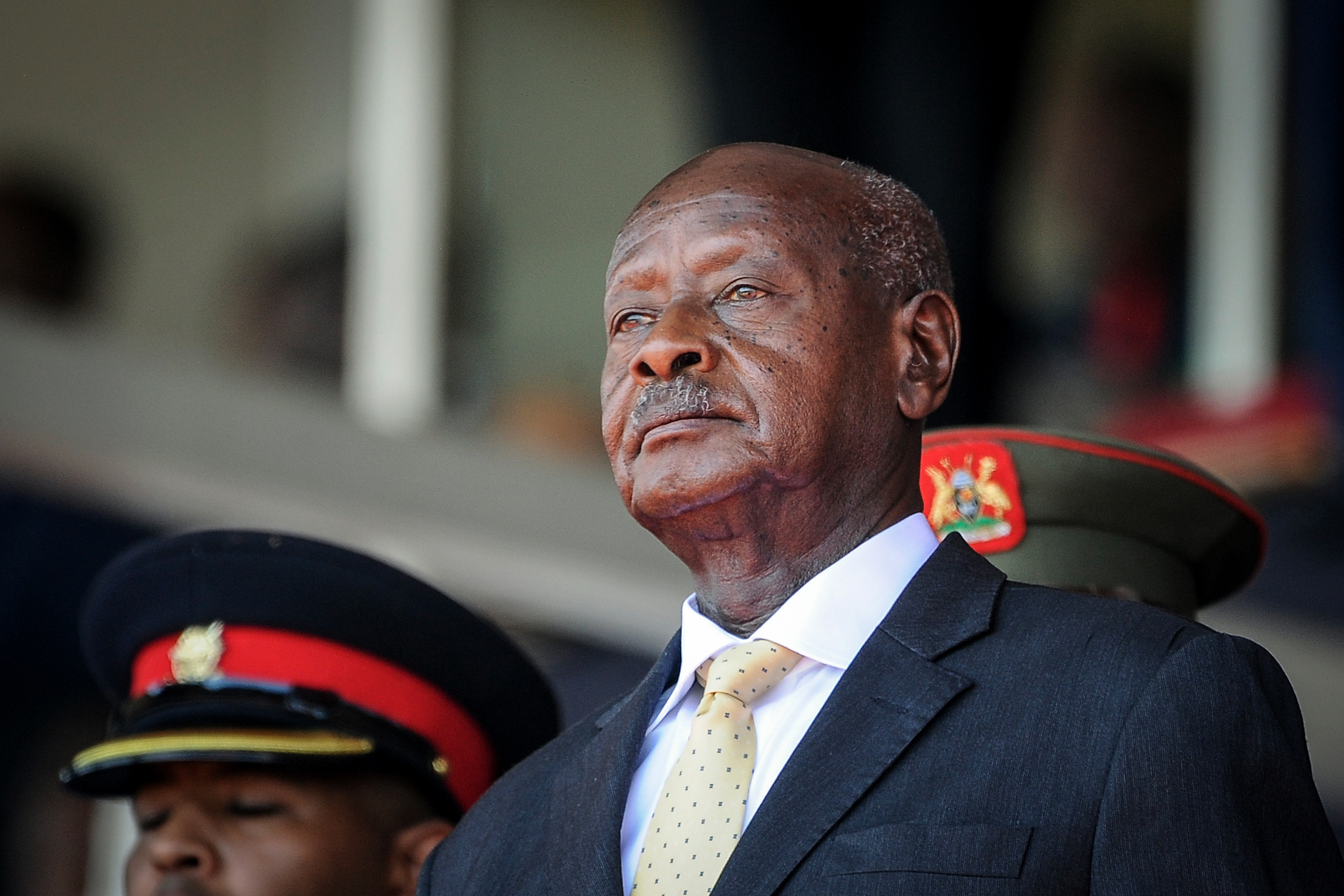
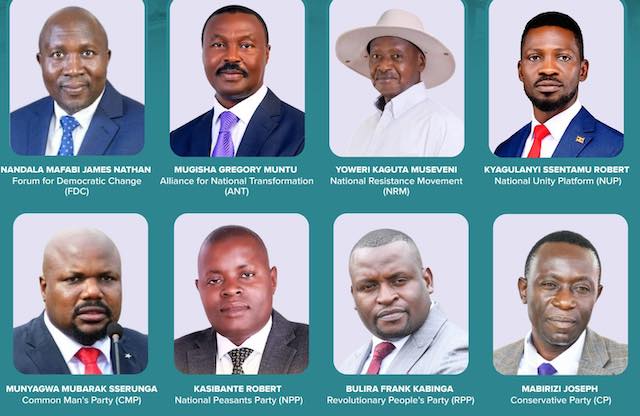
President Yoweri Museveni, in power since 1986 and freshly confirmed as the National Resistance Movement (NRM) flag-bearer, seeks a seventh term that would extend his rule past the 45-year mark. The present situation is defined not by new candidates, but by a hardening of long-standing political realities and the simmering tensions they produce.
The most prominent development is the apparent consolidation of the status quo. The ruling NRM machinery, a vast network of patronage and state resources, is already in motion. The recent passage of contentious legislation, including the Computer Misuse (Amendment) Act, 2022, which critics label a tool to stifle online dissent, signals a pre-electoral environment where digital spaces, crucial for opposition organizing, are under increased scrutiny.
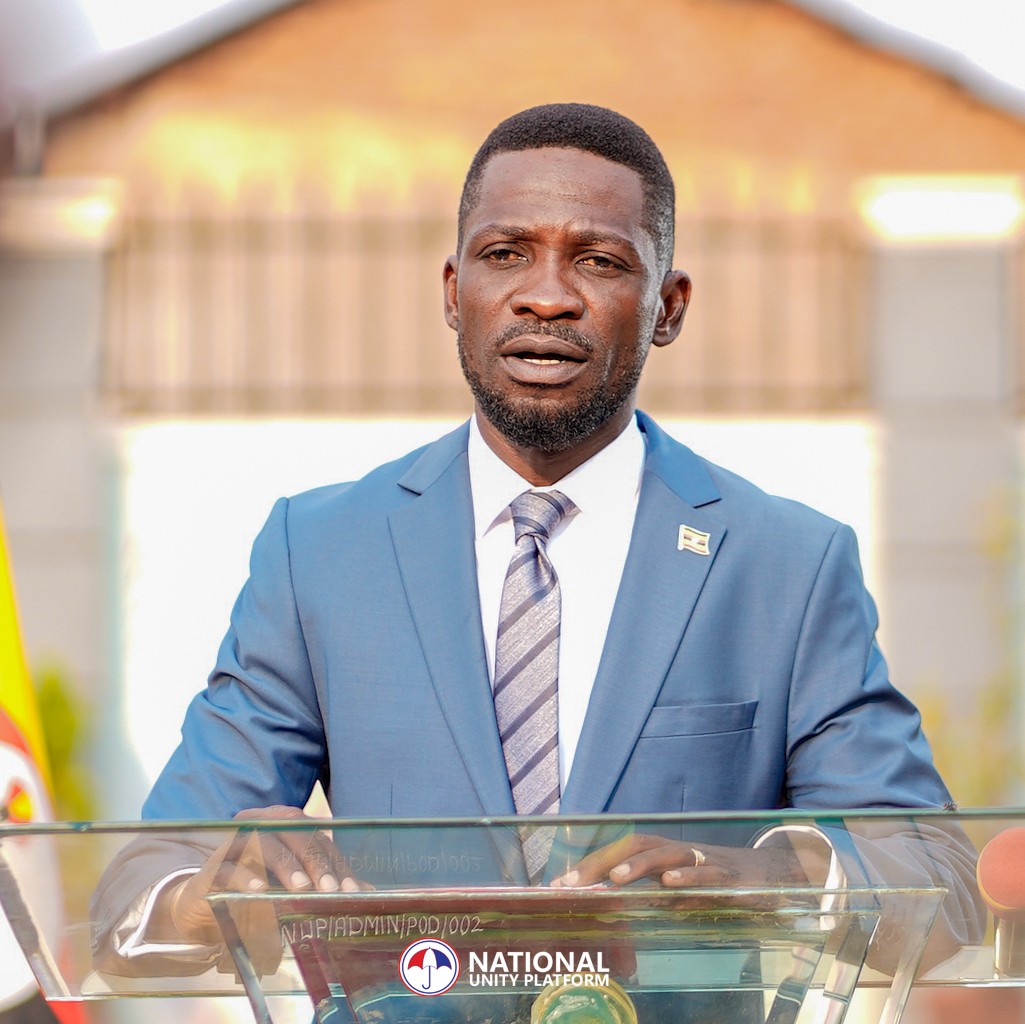
Bobi Wine once said;
“It’s not a contest between those who support NRM versus those who support the ‘Opposition’. That false narrative is driven by the Museveni system. NO. It is the majority of Ugandans versus a small clique of armed people who believe that the country belongs to them as of right.
It is a contest between those who believe in democracy and those who believe in ‘divine right’. Those who believe in the rule of law versus those who believe in the rule of the gun. Those who believe in human dignity versus those who believe in abductions, torture and murder.
It is a contest between the oppressed and their oppressors. In short, it is a contest between what is right, fair and just on one hand, and what is evil and immoral on the other hand.”
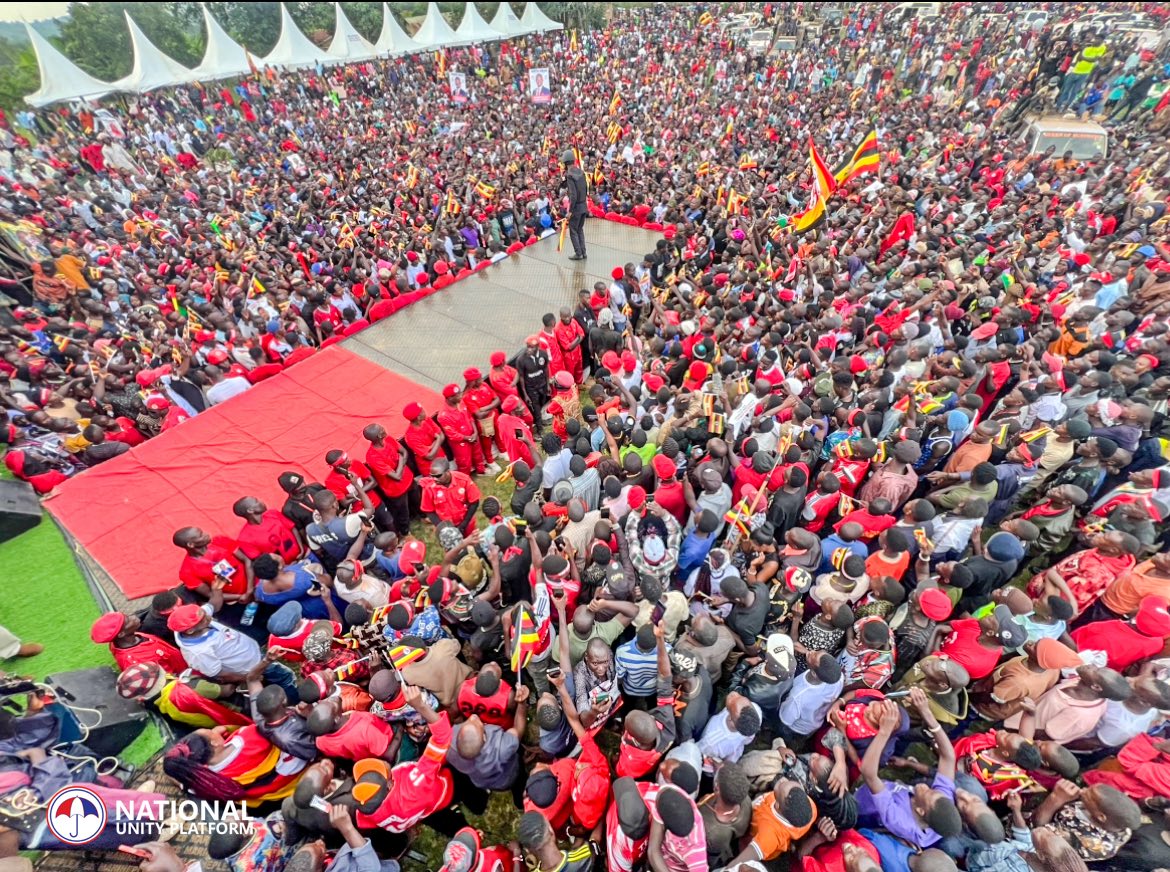
Furthermore, the continued marginalization of significant opposition figures like Bobi Wine (Robert Kyagulanyi) of the National Unity Platform (NUP), who faces persistent legal and political challenges, underscores the steep uphill battle for any challenger.
Economically, the climate is fraught. Uganda grapples with high youth unemployment, rising inflation, and the burdens of public debt. These pressures are acutely felt by the nation’s overwhelmingly young population, a demographic that overwhelmingly backed the opposition in 2021. This creates a potent paradox: a government seeking renewal from a generation increasingly impatient for change it has yet to materially deliver. The government points to major infrastructure projects like oil pipelines and roads as proof of development, but the tangible benefits for ordinary citizens remain a central point of political debate.
However, the most profound “development” may be a growing sense of political fatigue and strategic recalibration. The violent, chaotic scenes that marred the 2021 election, including widespread internet shutdowns and military deployment, remain fresh in public memory. This has led to questions about the opposition’s next move. Is the path one of continued, risky mass mobilization, or a slower, more subterranean build-up of grassroots structures? The space for traditional campaigning remains severely constricted, pushing political discourse into fragmented community meetings and onto heavily monitored social media platforms.
Internationally, the lens is also shifting. While Western donors often issue muted statements on governance, regional partners and new international actors, particularly China, maintain a firm policy of non-interference, insulating the regime from certain diplomatic pressures. This allows the government to frame the election as a purely sovereign affair.
As the drumbeat towards the election grows louder, the fundamental question is not merely “Who will win?”, the incumbent holds every institutional advantage. The more thought-provoking dilemma is: What form will political expression take in a system designed to limit it? The gathering storm may not bring immediate change, but the atmospheric pressure it creates will define the nation’s trajectory for a generation.