Today, Mbira stands as a powerful symbol of resilience and identity. Its captivating sound continues to inspire musicians worldwide, serving as a timeless reminder of music’s power to connect the past with the present, and the earthly with the divine.
Ronald Nyandoro on Mbira Music: The Spiritual Sound of Zimbabwe

By Zvakwana Nomore Sweto
Driving in the streets of Edmonton, snow on either side of the roads, and slippery on every breaks applied, one would never dream of hearing Zimbabwe traditional Mbira music playing loudly from a parked car with windows and doors wide open.
I swiftly made a perfect U-turn to talk to the men who are all in their late 40s.
Hey guys, what’s up? You seem to be enjoying your music, but wait, can’t you feel the cold? The temperature is -18 degrees Celsius.
“Sup buddy, wanna join? We’re Canadians, bro; this weather defines us. Forget about the weather can’t you hear some good music from Africa,” replied one the guys.
“Well, it’s music from Zimbabwe, let me check online to see the name of the artist. Here is it, Ronald Nyandoro,” added one of them.
We talked for a couple of minutes and thanked them for their kind reception.
That night I went home and browsed through the internet to look for more information about this artist, Ronald Nyandoro. It turned out he is based in Canada and through various efforts I managed to get his contacts and booked an appointment to meet him in person.
I went prepared, not to waste any opportunity given and within minutes of introducing myself I set up my equipment and was ready for the interview.
Nyandoro took me through his musical journey.
“My musical journey is rooted in Mhondoro, Zimbabwe, where my earliest connection to the mbira was forged by listening to community elders. Entirely self-taught, this passion followed me to Canada, where I relocated for academic and professional pursuits. Over years of dedicated practice, my skills matured, culminating in a pivotal realization in 2014: my profound connection to the mbira demanded not just private practice but a formal, recorded expression to honor its legacy and share its voice.”
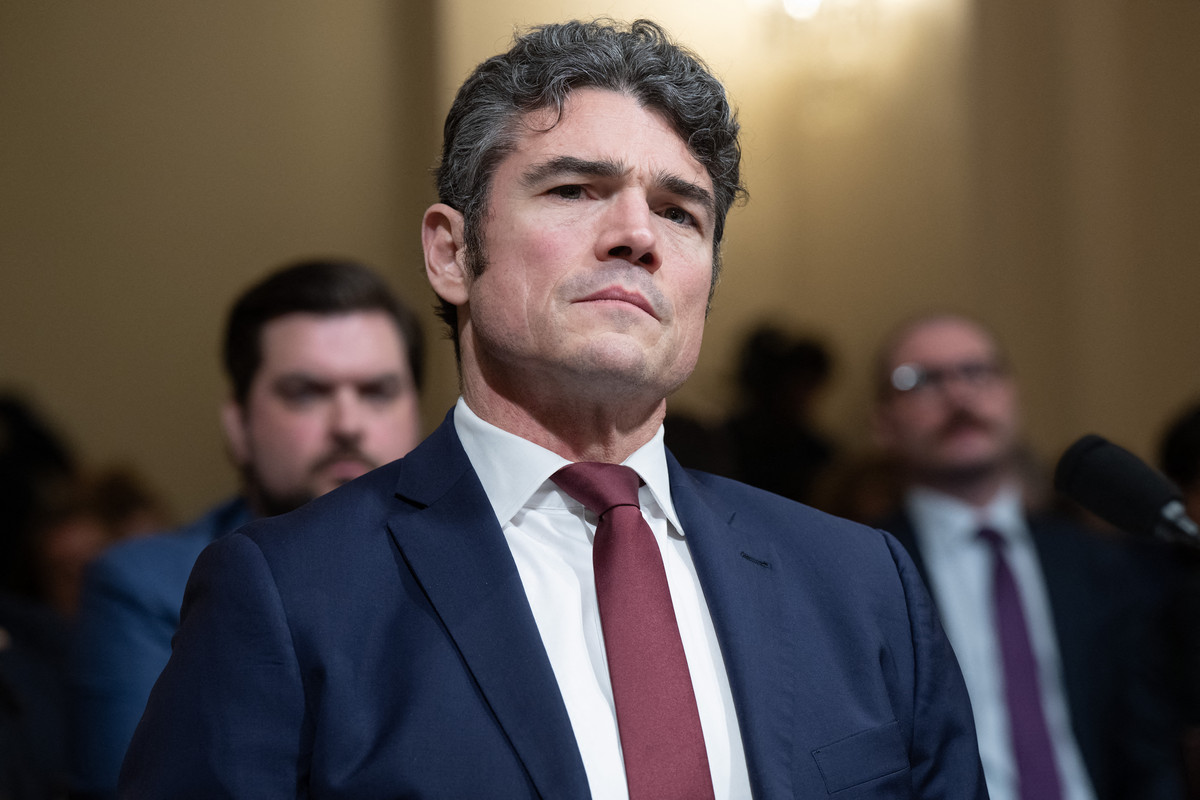
RONALD NYANDORO - MUSICIAN
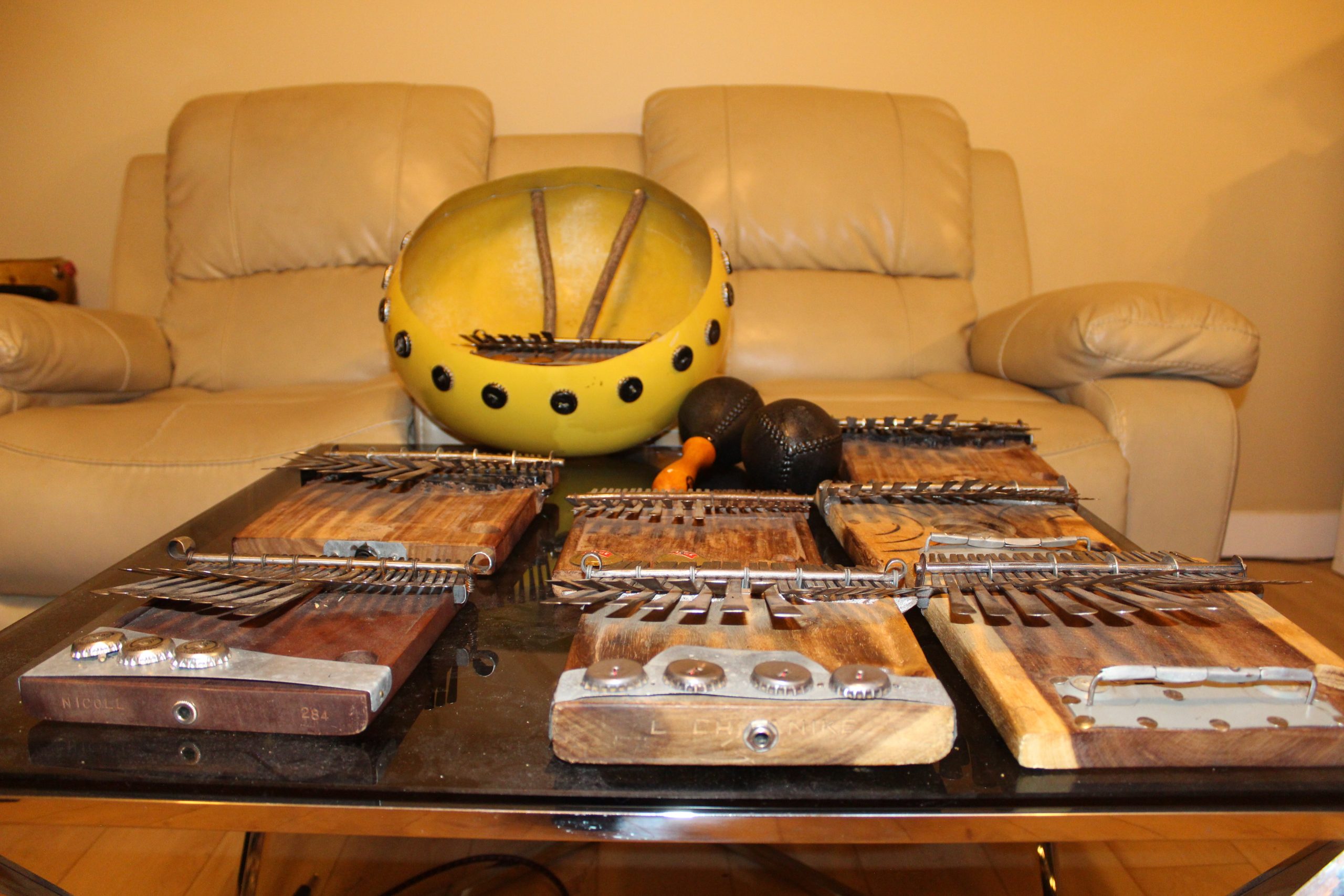
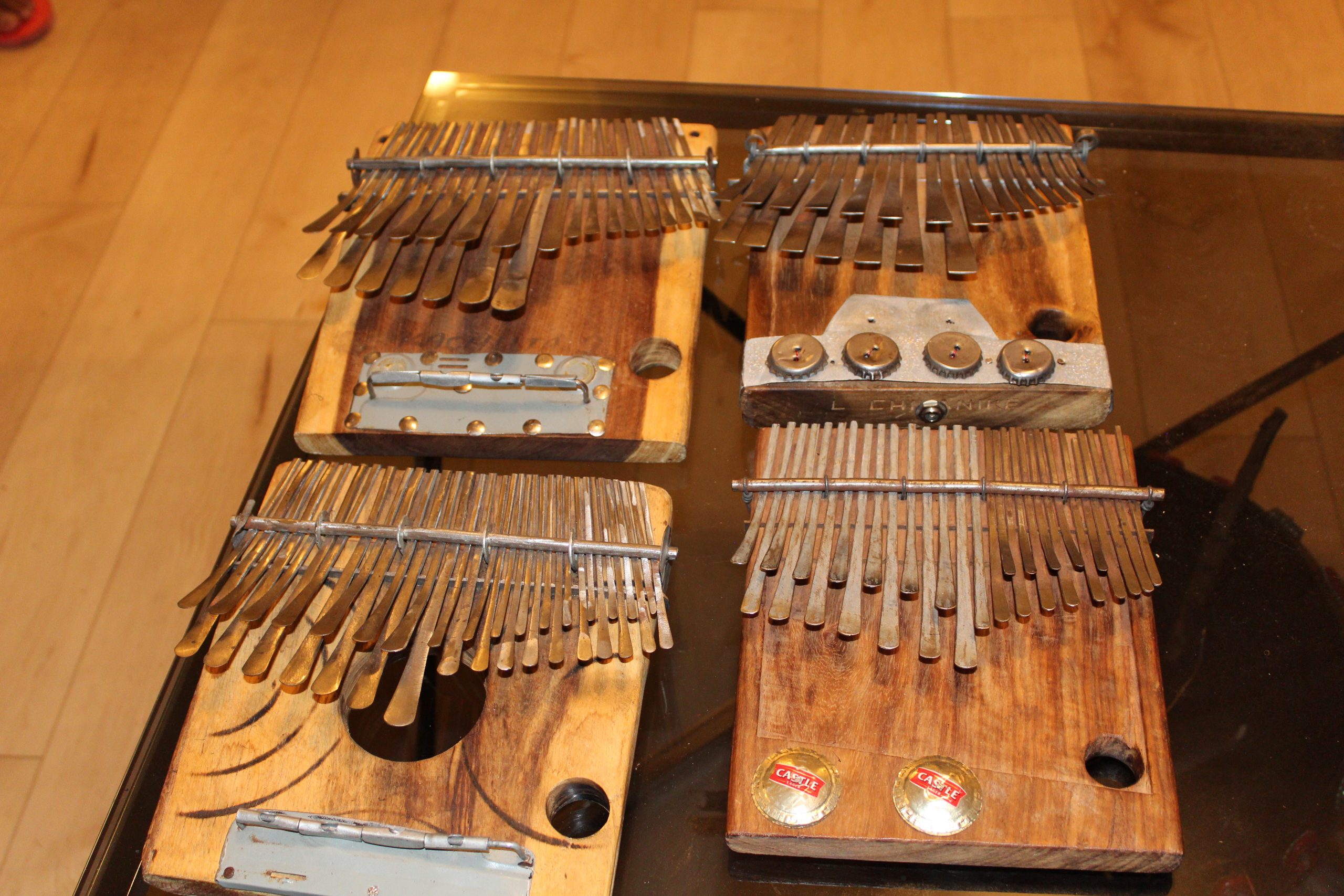
Nyandoro's Mbira Collection
Nyandoro boasts of two albums which have done well considering he is not doing music as a full-time job. He has been producing and recording his music through renowned music producer, Munya Vialy (also based in Canada).
About Mbira Music & the Instrument
Today, Mbira stands as a powerful symbol of resilience and identity. Its captivating sound continues to inspire musicians worldwide, serving as a timeless reminder of music’s power to connect the past with the present, and the earthly with the divine.
The mbira, often called a “thumb piano” in the West, is far more than a simple melodic instrument. For centuries, it has been the spiritual and cultural heartbeat of the Shona people of Zimbabwe, a resonant bridge between the living and the ancestral world.
Crafted from a wooden soundboard, a series of carefully tuned metal or bamboo tines (keys) are attached, which are plucked by the player’s thumbs and right forefinger. This creates a mesmerizing, polyphonic and polyrhythmic sound, a cascade of interlocking patterns that is both hypnotically complex and deeply soothing. The instrument is often placed inside a large calabash resonator (deze) to amplify its ethereal, bell-like tones, which many describe as sounding like “falling water.”
In traditional Shona culture, mbira is not merely for entertainment. It is sacred, used primarily in all-night ceremonies known as bira. During these gatherings, the repetitive, cyclical music of the mbira is believed to attract ancestral spirits (vadzimu), inviting them to join the community, offer guidance, and help resolve problems. The music, therefore, is a form of prayer and a direct line to the spiritual realm.
The mbira’s repertoire consists of hundreds of ancient pieces, each with its own spiritual and social purpose. In the 20th and 21st centuries, artists like Thomas Mapfumo revolutionized African music by electrifying the mbira and blending its ancient patterns with modern guitar and drums, creating the popular genre known as Chimurenga music. This brought the mbira’s profound sound to a global audience.
Jah Prayzah and Feli Nandi are among other musicians who use the Mbira in their music.