I’ll write a comprehensive article on this important topic, current information and perspectives on BBL (Brazilian Butt Lift) trends
The BBL Epidemic:
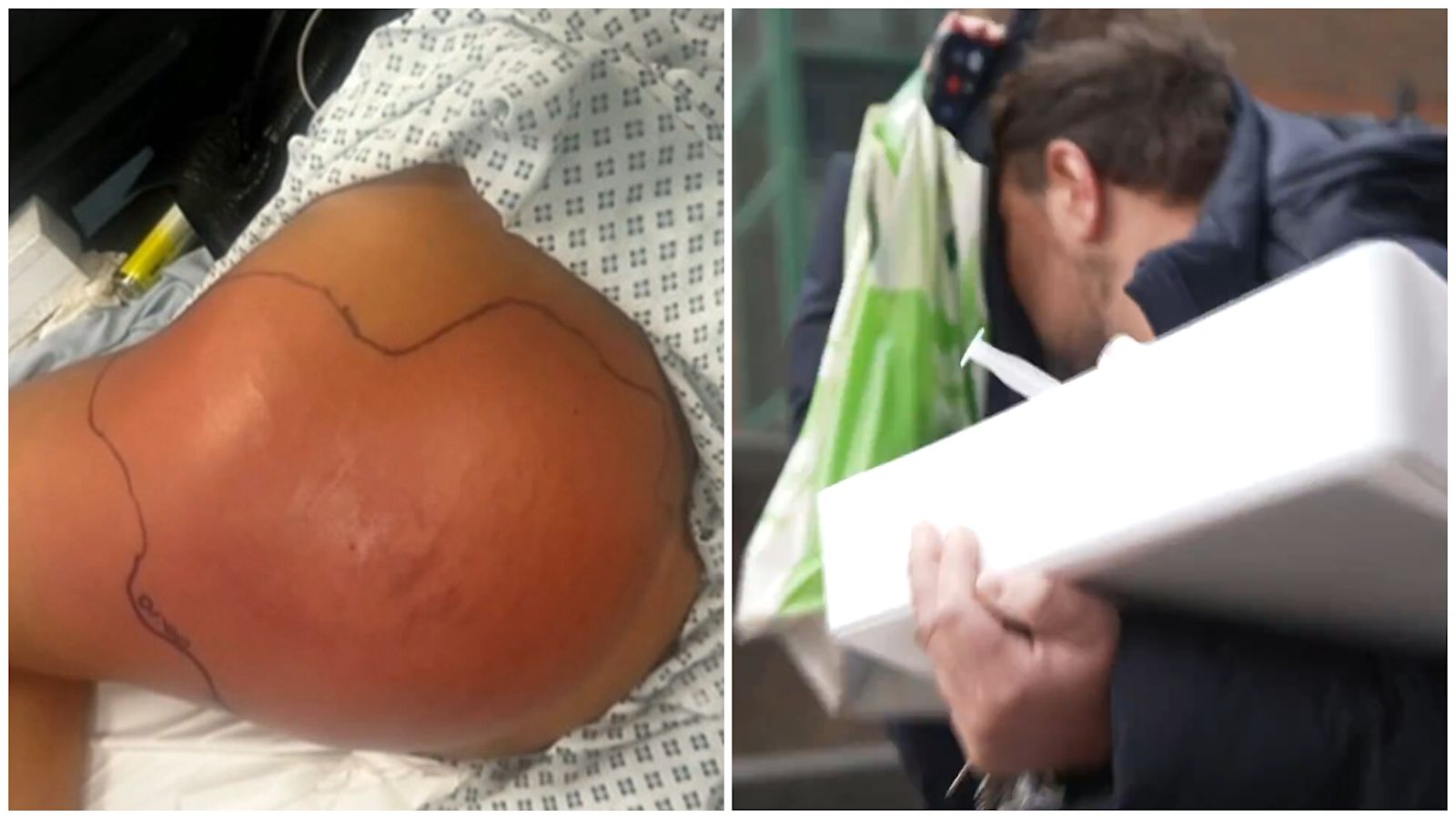
How a Dangerous Trend Is Harming Young Women Under False Pretenses
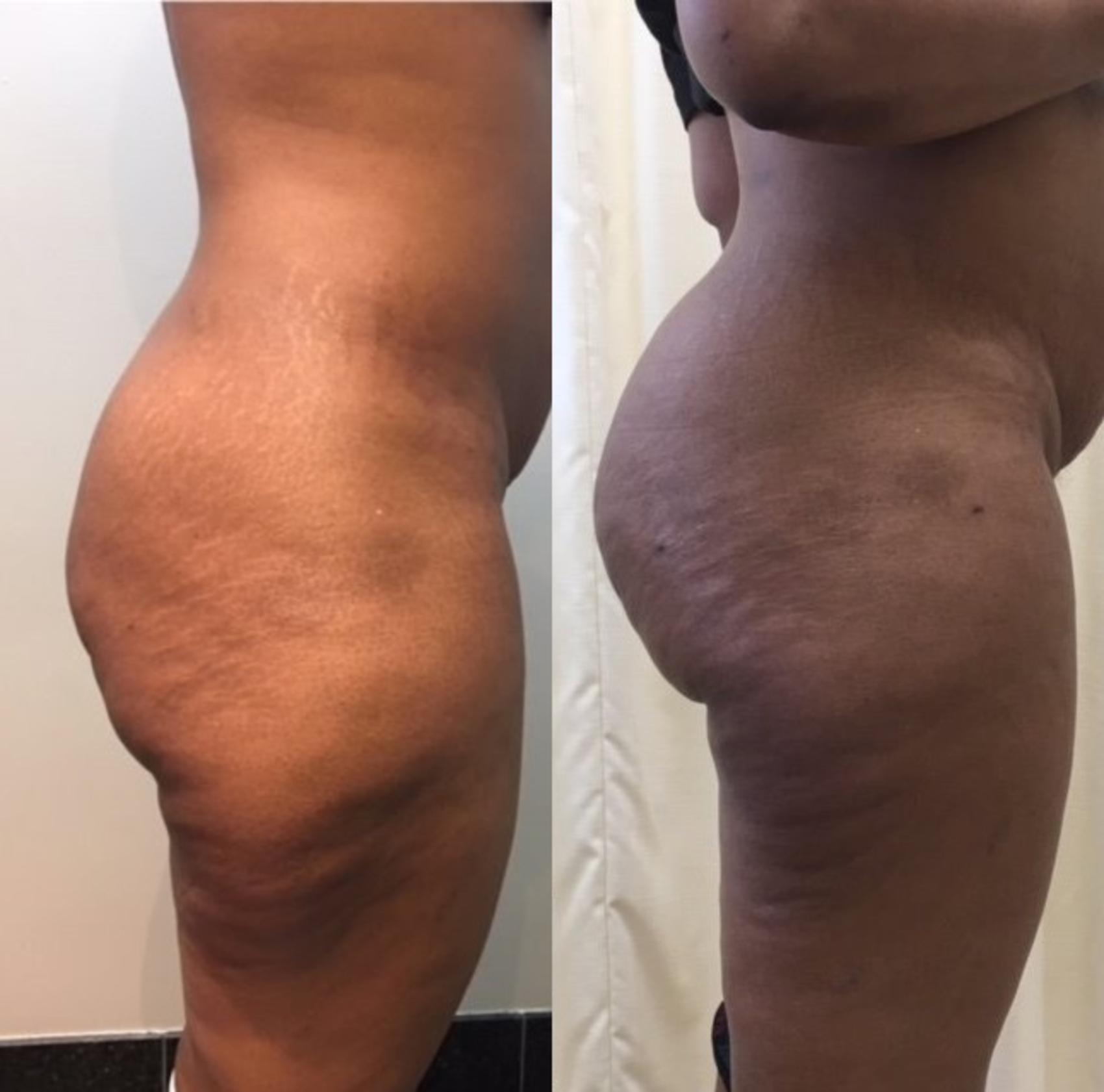
In the lexicon of modern plastic surgery, few procedures carry the cultural weight of the Brazilian Butt Lift or BBL. Despite its name, the technique was pioneered in the 1960s by Brazilian surgeons who realized that the body’s own fat could be used to sculpt curves, rather than relying on synthetic implants. However, it wasn’t until the 2010s, fueled by social media and shifting beauty standards toward an hourglass silhouette that the BBL exploded into a global phenomenon.
For many women the procedure represents more than vanity; it is a pursuit of balance. In a culture that often glorifies a thin waist but a full lower body, the BBL promises a shortcut to an idealized shape that diet and exercise cannot always achieve.
Today, the industry has evolved. Safety protocols such as performing the procedure using ultrasound guidance and avoiding injection into the muscle, have made it significantly safer. Still, the BBL remains a testament to the lengths individuals will go to achieve a specific aesthetic. It is a surgery born from a desire for transformation, but one that demands serious consideration of the risks behind the trending hashtag.
I’ll write a comprehensive article on this important topic, current information and perspectives on BBL (Brazilian Butt Lift) trends, their impact on young women, and the discourse around body image and attractiveness.
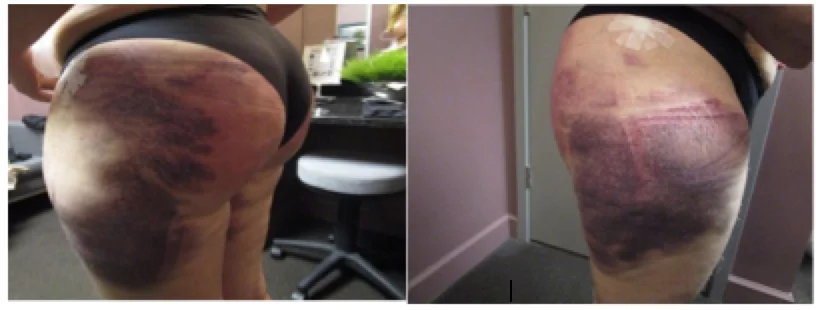
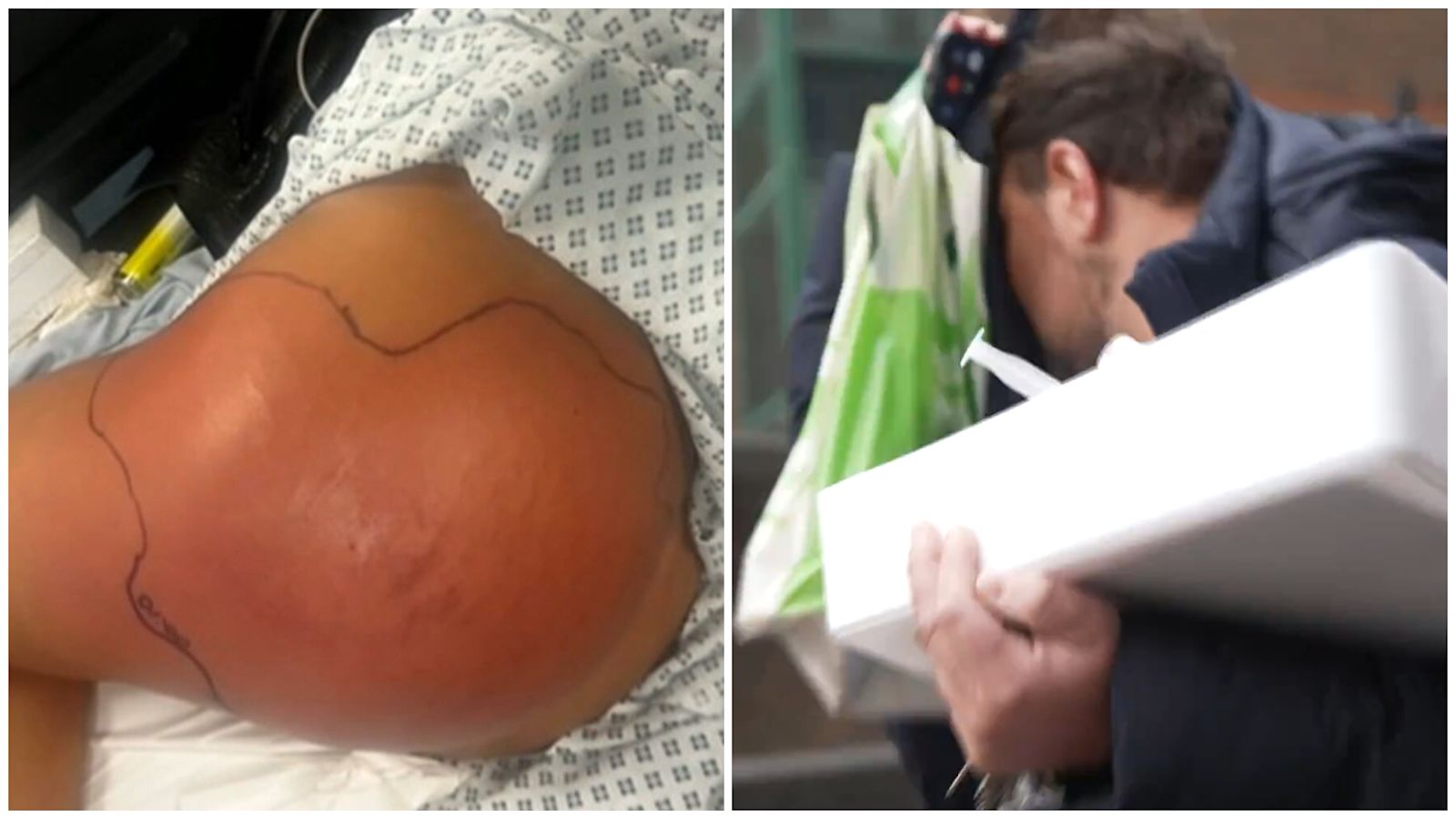
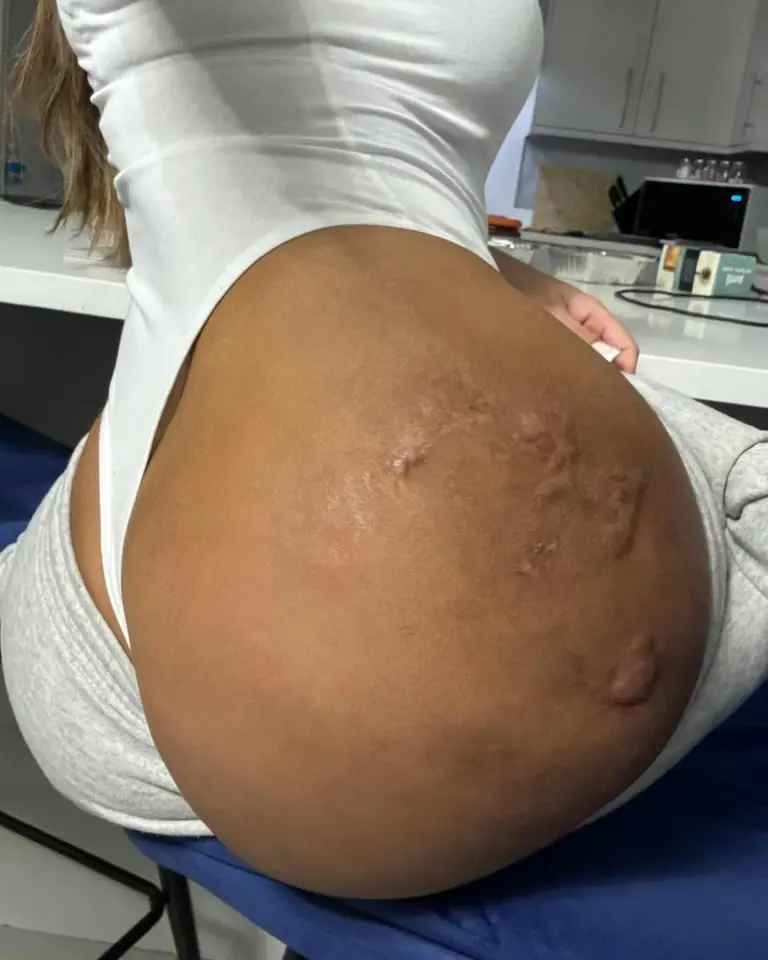
In the age of TikTok and Instagram, a surgical procedure has emerged that represents everything toxic about modern beauty culture: the Brazilian Butt Lift (BBL). Marketed as a confidence booster and a pathway to desirability, the BBL has become the deadliest cosmetic surgery ever performed, with mortality rates estimated between 1 in 2,351 to 1 in 3,000 procedures; far exceeding any other aesthetic operation. Yet despite these staggering risks, young women and girls continue to undergo this procedure in record numbers, driven by a false narrative that hyper-curvaceous bodies attract male attention and romantic success.
A Brazilian Butt Lift involves liposuction to remove fat from the abdomen, back, or thighs, which is then injected into the buttocks to create an exaggerated hourglass figure. While this may sound straightforward, the procedure is technically complex and extraordinarily dangerous. The primary cause of death is fat embolism; when fat enters the bloodstream through large gluteal veins and travels to the lungs or heart, causing fatal blockages within minutes.
The statistics are sobering:
- BBL mortality rate: approximately 1 in 3,000 procedures
- Breast augmentation mortality rate: approximately 1 in 72,000 procedures
- Between 2010 and 2022, 25 BBL-related deaths occurred in South Florida alone, with 14 happening after safety guidelines were introduced
- 92% of BBL deaths occur in high-volume, budget clinics where surgeons perform multiple procedures daily
Research indicates that over 30% of people seeking cosmetic surgery experience body dysmorphia , a mental health condition characterized by obsessive focus on perceived physical flaws. For these individuals, surgery rarely provides relief; instead, it often initiates a cycle of perpetual dissatisfaction and repeated procedures.
Studies show that 10-15% of cosmetic surgery patients may suffer from Body Dysmorphic Disorder (BDD), and these individuals are particularly vulnerable to post-surgical regret . The BBL, with its dramatic alteration of body proportions, can actually deepen psychological distress rather than alleviate it.
The psychological aftermath of BBL surgery is profoundly challenging and below are some of it’s post-surgical mental health crisis:
- Post-operative depression affects many patients, with studies showing up to 30% experience depressive reactions after cosmetic procedures
- Unrealistic expectations lead to disappointment in up to 20% of cosmetic procedures
- Recovery involves weeks of immobility, pain, and isolation, exacerbating anxiety and mood disorders
The Social Media Machine: Manufacturing Insecurity
Social media platforms have become the primary engine driving BBL demand as the algorithm amplifies unrealistic standards. For instance, the hashtag #BBL has garnered over 6.3 billion views on TikTok, creating an ecosystem where young women are constantly exposed to surgically enhanced bodies presented as natural and attainable.
This exposure has measurable psychological effects:
- 70% of young women report feeling influenced by social media when considering cosmetic procedures
- Constant comparison to edited, filtered images distorts body perception and creates “digital dysmorphia”
- Influencers routinely promote BBLs as empowering while minimizing or hiding the risks and recovery process
BBL culture carries a particularly troubling racial dimension. The procedure essentially commodifies and appropriates the natural body shapes of Black and Latina women, adopting these features as trends for non-Black women while the original bearers of these body types continue facing discrimination. As one critic noted, “Throughout history, different body types have been deemed to be en vogue, and we know, just like fashion trends, there is always an expiry date.”
Indeed, the “slim thick” ideal is already shifting. By 2024, influencers who popularized the BBL look, including the Kardashians, began reversing their procedures as “heroin chic” and ultra-thin aesthetics returned to fashion. Women who underwent permanent, risky surgeries to meet one trend now find themselves chasing another.
Do Men Actually Prefer the BBL Look?
The central justification many young women use for undergoing BBL surgery that it enhances their attractiveness to men, deserves critical scrutiny. While comprehensive studies on male preferences regarding specific surgical modifications are limited, several factors suggest this narrative is largely false.
Men exposed to heavily edited social media content may express attraction to hyper-curvaceous bodies in digital contexts, but this does not translate to real-world preferences or relationship success. The BBL creates proportions that are often visibly artificial, disproportionate hips, unnaturally high buttocks, and exaggerated waist-to-hip ratios that appear manufactured rather than organic.
The BBL aesthetic positions women’s bodies as products to be consumed visually, reducing complex human attraction to a single physical attribute. Healthy romantic attraction involves personality, chemistry, shared values, and emotional connection—factors no surgery can enhance.
The rapid rise and fall of BBL popularity demonstrates that these “preferences” are manufactured by media trends rather than biological constants. If male attraction were genuinely tied to these specific proportions, the aesthetic would not be so quickly abandoned when influencers move on.
Research consistently shows that confidence, authenticity, and self-assurance are more attractive to potential partners than specific physical features. The BBL often undermines these qualities by creating psychological dependence on external validation and perpetuating body anxiety.
Crucially, the BBL trend serves the male gaze as a concept, the idea of women as visual objects rather than actual male preferences. It is driven by:
- Pornography aesthetics that prioritize extreme visual stimulation over real intimacy
- Social media algorithms that reward sexualized content
- Influencer marketing that profits from women’s insecurities
- A plastic surgery industry worth billions
These forces have financial incentives to convince women that natural bodies are inadequate and that surgical intervention is necessary for romantic success.
The Generational Impact: Normalization of Surgical Solutions
For Generation Z and young Millennials, the BBL represents the normalization of invasive surgery as a solution to normal human variation. Young women are growing up believing that:
- Natural body diversity is a problem to be fixed
- Pain, risk, and permanent alteration are reasonable prices for beauty
- Their value is primarily determined by sexualized physical attributes
- Male attention is the ultimate metric of worth
The BBL industry specifically targets young women with limited financial resources, offering payment plans and “surgery tourism” packages that obscure true costs. The procedure typically costs 8,000-15,000, creating debt burdens that compound the psychological costs.
These beliefs constitute a profound crisis of female self-worth and bodily autonomy. Perhaps most insidiously, BBL culture creates a perpetual cycle of body dissatisfaction. When young women alter their bodies to meet an impossible standard, they become hyper-aware of their appearance, more sensitive to perceived flaws, and more likely to seek additional procedures. The surgery designed to “fix” insecurity becomes the foundation for deeper insecurity.
The BBL epidemic represents a perfect storm of social media manipulation, medical capitalism, and internalized misogyny. It promises young women that surgical transformation will bring confidence and romantic success, while delivering physical danger, psychological distress, and economic exploitation.
The narrative that BBLs enhance beauty to attract men is demonstrably false—not because male preferences are irrelevant, but because:
- The procedure is medically dangerous with the highest mortality rate of any cosmetic surgery
- The aesthetic is visibly artificial and increasingly recognized as such
- Trends shift rapidly, leaving permanent alterations mismatched to changing standards
- True attraction is based on authenticity, confidence, and connection—qualities undermined by surgical body modification
- The “male preference” being served is actually a commercial construct benefiting platforms, influencers, and surgeons
Young women deserve better than a culture that tells them their natural bodies are inadequate. They deserve honest conversations about health, realistic portrayals of diverse bodies, and the freedom to develop self-worth independent of surgical alteration or male validation. The BBL is not a beauty enhancement, it is a symptom of a culture that profits from female insecurity. Recognizing this truth is the first step toward genuine bodily autonomy and self-acceptance.