“They said we couldn’t do it. They said we couldn’t fill this place. But look at you! The Shatta Movement is not just a fan base; you are my family! This is not my birthday; this is OUR birthday!”



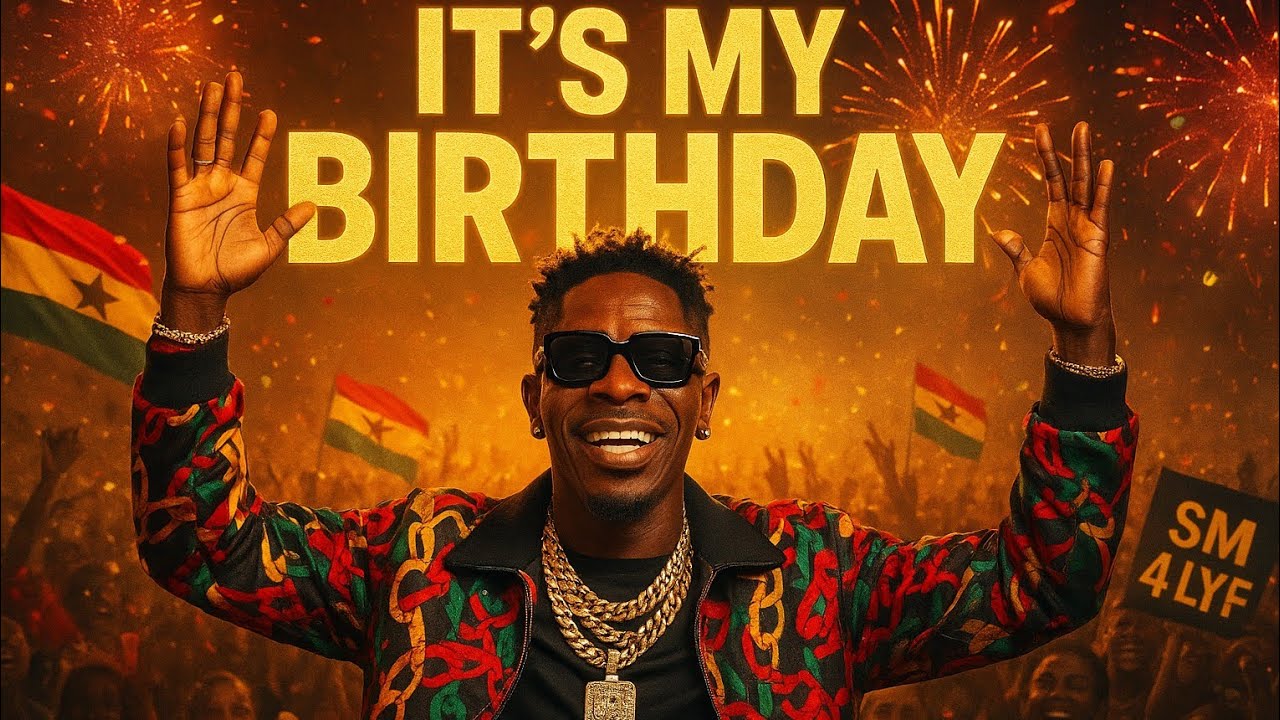
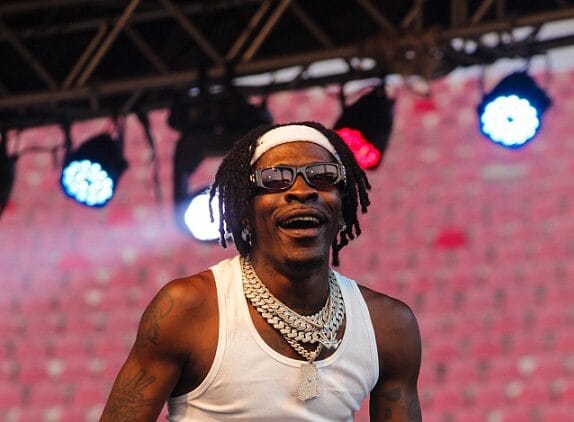

“They said we couldn’t do it. They said we couldn’t fill this place. But look at you! The Shatta Movement is not just a fan base; you are my family! This is not my birthday; this is OUR birthday!”
By Zvakwana Nomore Sweto
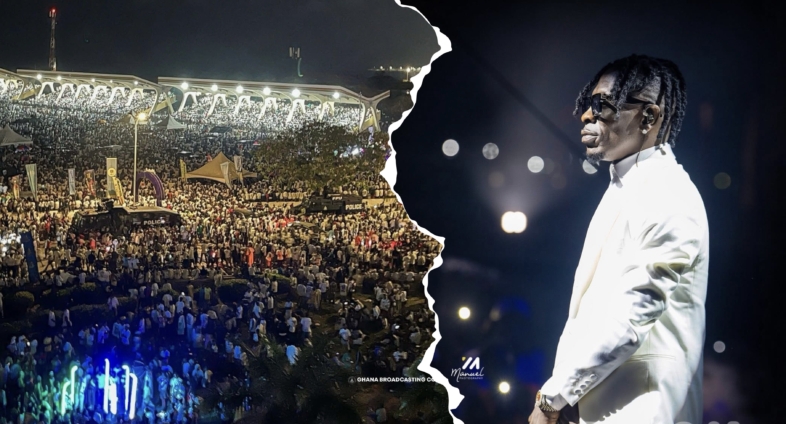
Accra, Ghana – In a display of raw, unadulterated fan power that will be etched into the annals of Ghanaian music history, a colossal, electrifying mass of humanity stormed Independence Square on Saturday for the highly anticipated ShattaFest 2025 birthday celebration.
The event, held in honor of the self-proclaimed “Dancehall King, ” Shatta Wale, transcended a mere concert, transforming into a cultural phenomenon that showcased the undeniable grip the artist holds on the nation. Perfoming at the event were top acts like Kweku Flick, Patapaa, Moliy, Amerado, Wendy Shay, and Lyrical Joe, who kept the energy high with their hit songs.
From the early hours of the afternoon, the air around the historic venue crackled with anticipation. Long before the first beat dropped, the streets leading to the Square were a river of red, gold, and green, as thousands of the “Shatta Movement” faithful, clad in branded merchandise, marched towards what they knew would be a historic gathering.
The sprawling grounds of Independence Square, a venue built for national ceremonies, had vanished. The official seating and standing areas were rendered obsolete within the first hour, as the tidal wave of fans filled every conceivable inch of space.
Akosua Mensah an avid fan of the superstar had this to say, “This is not just a crowd; this is a nation within a nation. I have worked at every major concert here for ten years. I have never seen anything like this. Not even close.”
The energy was a tangible force, a low hum of excitement that erupted into a deafening, earth-shaking roar the moment the stage lights flickered to life. When Shatta Wale finally made his grand entrance after midnight, the explosion of sound was visceral. The collective voice of what is estimated to be over 50,000 fans did not just cheer; they roared their approval, shaking the very foundations of the square.
For hours, the massive crowd moved as one. They became a single, synchronized choir during anthems like “Taking Over” and “My Level, ” their voices drowning out the powerful speakers. They created their own seismic activity during “Hajia Bintu, ” the ground trembling under the force of countless feet jumping in unison. From the stage, the view was of an infinite sea of devotion, a sight that visibly moved the often-boastful star.
“Look at what you have done!” Shatta Wale proclaimed, pausing to take in the monumental scene, his voice thick with emotion. “They said we couldn’t do it. They said we couldn’t fill this place. But look at you! The Shatta Movement is not just a fan base; you are my family! This is not my birthday; this is OUR birthday!”
The event was not without its logistical challenges. The sheer density of the crowd made movement nearly impossible for those deep within the throng, and reports suggest cellular networks were overwhelmed. Yet, the prevailing sentiment was one of peaceful, joyous unity. Fans shared water, helped each other navigate the packed space, and bonded over their shared allegiance.
It was a declaration that Shatta Wale, love him or criticize him, commands a grassroots following of monumental proportions. On this night, Independence Square did not belong to politicians or historians; it belonged to the people, to the music, and to the undisputed, crowd-drawing power of the Dancehall King. The bar for Ghanaian concerts has not just been raised; it has been shattered
Feel the Spirit this May! Zimbabwe’s finest gospel musicians come together for an unforgettable night of praise and celebration.
Here is everything you need to know about this unconventional smartphone and why it might be the perfect companion for adventurers, outdoor enthusiasts, and frequent presenters alike.
The US has shown it will act without the UN, attack sovereign nations, and disregard international law.

Watermelon is a powerhouse of citrulline, an amino acid that relaxes blood vessels, similar to how Viagra works

I’ll write a comprehensive article on this important topic, current information and perspectives on BBL (Brazilian Butt Lift) trends
Copyright 2026, Afri-CAN Magazine. All Rights Reserved.