For low-income individuals, one barrier to tax filing has historically been the cost.
TAX Filing in Canada
By Grace Vela
According to Statistics Canada (StatsCan), Canada loses over 20% of all permanent residents to their home countries within 25 years of arrival, with approximately one-third leaving within the first few years. One of the primary constraints cited is the high tax rate.
As income increases, marginal tax rates can rise from roughly 20% to as high as 54% for top earners. An additional 5% of earned income is withheld to fund programs such as the Canada Pension Plan (CPP) and Employment Insurance (EI). When combined with a relatively weak dollar, these factors can make Canada less attractive for foreign nationals who immigrate for economic reasons.
Taxes in Canada support our political structure, from municipal to federal levels, as well as the public service and essential public infrastructure. These services include libraries, schools, transportation systems, and hospitals, which consistently rank among the best in the world.
While long wait times, inconsistent access, and out-of-pocket costs can make this difficult to appreciate at times, on a global comparative scale, Canada’s public services perform very well.
The additional contributions to CPP provide income to Canadians who worked, paid taxes, and made contributions during their earning years. Benefit amounts are based on how long an individual worked and how much they earned, and are not adjusted up or down based on private investment income during retirement.
Similarly, Employment Insurance provides temporary income during periods when an individual is unable to work. EI is only available to those who have contributed to the program while employed. This insurance scheme includes various eligibility streams, such as maternity and parental leave, disability, and regular unemployment benefits.
The delayed or partial ability to qualify for full benefits from these programs can sometimes lead immigrants to undervalue them and instead seek work that does not deduct taxes or contributions. This often contributes to the decision to return to their home countries for retirement, where a lower income threshold may feel less risky than facing potential poverty in retirement in Canada. However, there are additional benefits to participating in the tax system that should be considered.
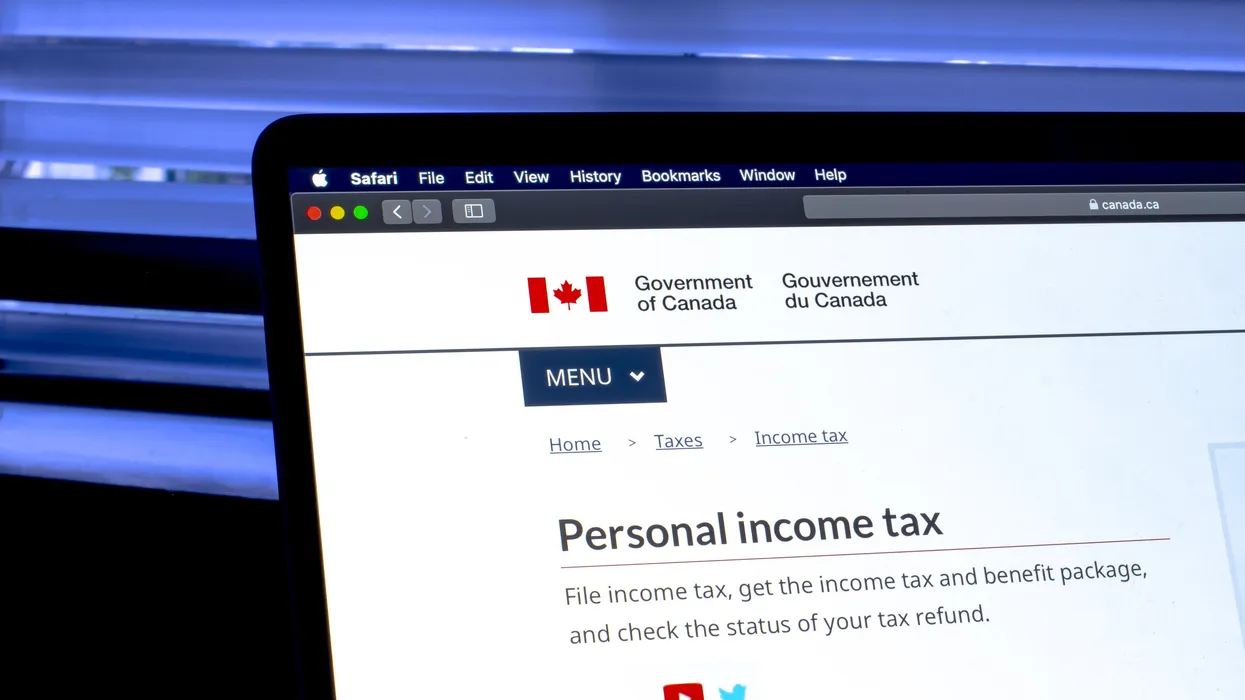
For low-income individuals, one barrier to tax filing has historically been the cost. Some tax preparation services charge hundreds of dollars, discouraging people from filing and limiting their access to government benefits. To address this, the government has introduced an invitation-only system that allows eligible low-income individuals to answer a few questions and have their taxes automatically filed on their behalf.
For business owners, income is not considered verifiable if business taxes are not filed. This limits access to benefits such as the GST/HST credit, Canada Child Benefit, Canada Dental Plan, and other provincial or municipal programs. More significantly, it restricts the ability to qualify for mortgages, both personal and business, as well as other forms of financing needed to grow a business. The value of having two years of filed business taxes is often underestimated, yet it can be life-changing in terms of the opportunities it unlocks.
Speaking with a tax professional can help determine the best path forward for your specific situation and assist with getting properly integrated into the system. Statements like, “I have the money saved, why won’t they give me a loan?” are understandable, but lenders need to verify where that money came from and whether it was taxed.
Some mortgage lenders are willing to work with businesses that have less than two years of verifiable income, depending on the industry and the type of mortgage. If you are earning income informally, it may be worth incorporating or declaring it as sole proprietorship income rather than not declaring it at all.